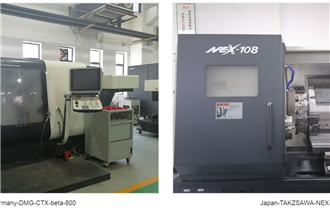
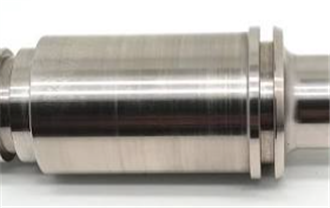
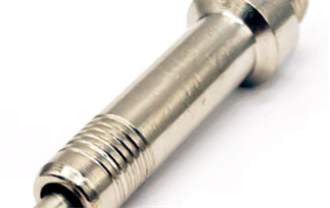
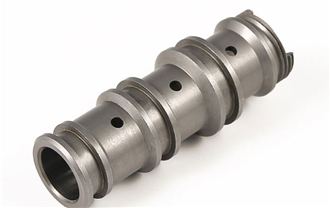
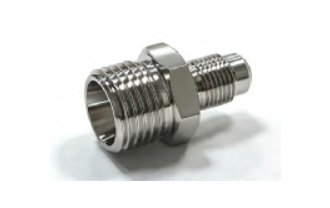
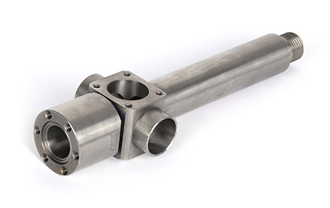
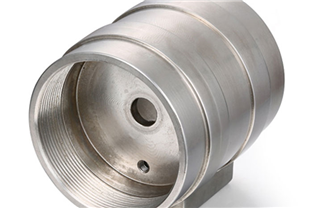
Hard turning has transformed the machining of hardened steels, enabling manufacturers to produce preciseCNC turning componentswithout the need for secondary grinding. When processing materials like case-hardened or through-hardened alloy steels at HRC 58–
In modern precision engineering, sourcing individual components from multiple vendors often creates hidden costs—logistical delays, inconsistent quality, and communication breakdowns. For buyers of turned parts, these challenges are especially acute. Comp
In food processing and packaging, every component that touches the product must meet uncompromising hygiene standards. From filling nozzles to conveyor rollers, stainless steel turning parts play a critical role in preventing contamination, resisting corr
In modern manufacturing, the drive to lower per‑part costs without sacrificing quality is relentless. For high‑volume aluminum components, CNC turning offers a direct path to savings—but only when the process is engineered for maximum efficiency. This art
The Critical Role of Multi-Material Precision TurningIn modern manufacturing, the ability to machine components from a wide spectrum of materials is not a luxury—it is a necessity. As a dedicatedprecision turned parts manufacturer, we understand that each
Selecting the right steel grade for turned components directly impacts product lifecycle, cost, and performance. While both 1045 (medium carbon) and 4140 (chromium-molybdenum alloy) are workhorses in CNC turning, their distinct metallurgical behaviors dem
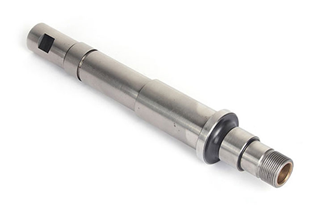
In the demanding world of heavy machinery, the reliability of power transmission systems hinges on a single, critical component: the heavy-duty shaft. These robust cylinders form the backbone of industrial turbines, marine propulsion systems, and mining e
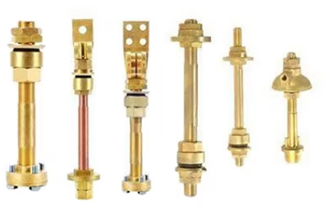
High-current systems from EV battery packs to industrial switchgear depend onprecision brass components with high conductivityto maintain efficiency and prevent thermal runaway. Even a small voltage drop across a terminal can generate enough heat to degra
The transition from prototype to full-scale production for aluminum CNC turned components is a critical phase determining product quality, cost efficiency, and time-to-market. While prototyping focuses on form and function verification, production demands
In today’s highly competitive manufacturing landscape, operational excellence alone no longer guarantees a stable supply chain. The real differentiator lies in the depth of collaboration between buyers and suppliers. For precision turned parts—where micro
In the demanding world of high-performance engineering, the shift towards low-volume customization for titanium precision components represents a strategic move away from mass production. For industries like aerospace, semiconductor equipment, and scienti