CNC Milling Parts Machining: How to Select the Right Coolant Concentration for Different Alloys
Date:2026-05-30Article editor:Starting Point PrecisionViews:489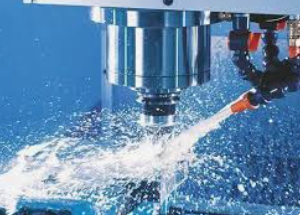
Coolant serves four primary functions: cooling, lubrication, chip evacuation, and corrosion protection. In modern CNC Milling Parts Machining, an improperly mixed coolant can cause excessive heat generation, poor chip removal, and premature tool failure.Manufacturers that regularly optimize coolant management often see improvements in both productivity and machining quality.
Aluminum alloys are widely used in aerospace, automotive, and electronics industries because of their excellent strength-to-weight ratio. However, aluminum tends to stick to cutting tools, creating built-up edges that negatively impact surface finish. A coolant concentration between 5% and 8% typically provides sufficient lubrication while maintaining effective cooling.
Stainless steel generates considerable heat during machining and is prone to work hardening. As a result, higher coolant concentrations are generally recommended.
Benefits include:
◆ Better heat control
◆ Reduced tool wear
◆ Improved cutting stability
◆ Enhanced surface quality
For difficult-to-machine grades such as 304 and 316 stainless steel, concentrations closer to 12% often deliver better lubrication performance.
Titanium is one of the most challenging materials used in CNC Milling Parts Machining due to its poor thermal conductivity. Most of the cutting heat remains concentrated near the tool edge.
A coolant concentration between 10% and 15% helps:
◆ Reduce thermal stress
◆ Improve tool life
◆ Minimize edge chipping
◆ Enhance part surface integrity
According to Modern Machine Shop, effective coolant delivery is a key factor in successful titanium machining and can significantly improve cutting performance.
Carbon steel and low-alloy steel typically require a balanced combination of cooling and lubrication.
Recommended concentrations of 6%–10% provide:
◆ Stable cutting conditions
◆ Good corrosion protection
◆ Cost-effective operation
For heavy roughing operations, slightly higher concentrations may improve lubrication and reduce cutting forces.
Copper and brass alloys generally machine easily but can be sensitive to coolant chemistry. Maintaining concentrations between 5% and 7% helps prevent discoloration while ensuring smooth machining performance.
When producing electrical or decorative components, manufacturers should regularly monitor coolant condition to maintain consistent product quality.
Material type is only one part of the equation. Other important considerations include:
Cutting Parameters
Higher spindle speeds and feed rates generate additional heat, often requiring increased coolant concentration.
Carbide and coated cutting tools may perform differently depending on coolant lubricity and cooling effectiveness.
Advanced machining centers equipped with high-pressure coolant systems can improve heat removal and chip evacuation. Resources from SME Manufacturing Knowledge Center provide valuable insights into optimizing coolant strategies for modern manufacturing environments.
To maximize performance in CNC Milling Parts Machining, manufacturers should:
1. Check coolant concentration regularly using a refractometer.
2. Maintain consistent water-to-coolant ratios.
3. Remove tramp oil and contaminants promptly.
4. Monitor coolant pH levels.
5. Follow supplier recommendations for specific alloy applications.
For companies machining a wide variety of materials, integrating coolant optimization with a comprehensive Guide to Machining Aluminum Parts and other material-specific machining standards can further improve operational efficiency.
Selecting the proper coolant concentration is essential for successful CNC Milling Parts Machining. Aluminum alloys generally perform best at 5%–8%, stainless steel at 8%–12%, titanium at 10%–15%, carbon steel at 6%–10%, and copper alloys at 5%–7%. By matching coolant concentration to alloy characteristics and machining requirements, manufacturers can improve tool life, enhance surface quality, and achieve more reliable production outcomes.
Add: Building 3No.277 Zhen'an Middle Road, Chang'an Town,Dongguan,Guangdong, China
Tel:+86-769-82855591
Copyright © 2019 All Rights Reserved Dongguan Start Precision Technology Co., Ltd. Tel: +86-769-82855591
Add: No. 277 Zhen'an Middle Road, Chang'an Town, Dongguan, Guangdong, China



 中文版
中文版 English