CNC Machining Parts: Custom Surface Textures for Enhanced Performance
Date:2026-02-05Article editor:Starting Point PrecisionViews:639Why Surface Texture Matters
Surface texture refers to the deliberate, controlled deviations from a perfectly smooth finish. It is quantified by parameters like Ra (Roughness Average) and Rz (Mean Roughness Depth), which are integral to geometric dimensioning and tolerancing (GD&T) callouts. While a standard as-machined finish might suffice for many applications, custom textures solve functional challenges, affecting friction, adhesion, light diffusion, fluid dynamics, and biocompatibility.
Key Techniques for Creating Custom Textures
1. Laser Etching/Engraving
This non-contact, computer-controlled method uses a laser to create precise, repeatable patterns—from simple logos to complex micro-geometries. It's ideal for adding permanent serial numbers, calibration marks, or textured grips on tools and consumer products without affecting the part's structural integrity.
2. Chemical Texturing
Processes like photochemical etching can produce highly consistent, intricate textures on metal surfaces. This is often used to create matte finishes for aesthetic purposes or specific surface profiles that aid in lubrication retention or paint adhesion in automotive and aerospace components.
3. Media Blasting (Abrasive Blasting)
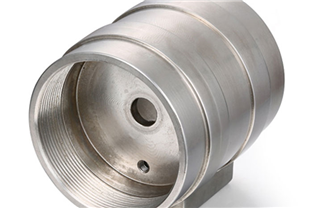
By propelling fine media (glass bead, aluminum oxide, plastic) at the surface, this technique creates a uniform matte or satin finish. It's excellent for preparing surfaces for coating, improving visual appeal, and creating a lightly textured grip. The resulting texture can be controlled by the media type, size, and pressure.
4. CNC Texture Milling
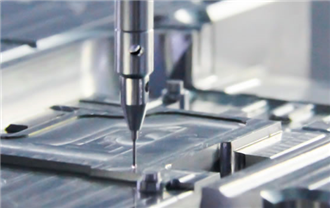
Using specialized toolpaths and tools, the CNC machine itself can create precise, repetitive patterns like diamond knurling or linear grooves directly. This is a highly controlled method for creating functional textures for hand grips, adjustment knobs, or optical light guides.
Applications Across Industries
Aerospace & Defense: Textures are engineered to reduce aerodynamic drag, manage ice adhesion on leading edges, or provide non-slip surfaces on maintenance panels. Resources from the Society of Automotive Engineers (SAE International) often detail these specialized requirements.
Medical Devices: Surface textures are crucial for bone implants; specific micro-roughness encourages bone cell growth (osseointegration). Surgical tools may have textured grips for secure handling under wet conditions.
Automotive: Interior components use soft-touch textures for ergonomics, while engine parts may have specific surface finishes to retain oil film. Textures also help in bonding composites and metals in lightweight structures.
Consumer Electronics: Custom textures provide brand-specific haptic feedback, conceal minor scratches, and create diffusion surfaces for even LED lighting.
Benefits of Specifying Custom Textures
1.Enhanced Functional Performance: Directly improves grip, wear resistance, light management, or fluid flow.
2.Improved Aesthetics and Branding: Creates a distinctive look and feel, adding perceived value.
3.Better Adhesion: Prepares surfaces for superior painting, plating, or bonding, a critical step outlined in our guide to surface finishing for CNC parts.
4.Reduced Maintenance: Textures that trap lubricants or resist contaminant buildup extend part life.
Design and Specification Considerations
To effectively implement a custom texture, clearly communicate your requirements on the technical drawing. Use standard ISO/ASTM surface finish symbols and specify the texture process (e.g., "Glass Bead Blast to Ra 3.2") or a master sample for reference. Collaborate early with your manufacturing partner, as the base CNC machining process and material choice will influence the final textured result.
Conclusion
Custom surface textures represent the final, critical step in engineering a CNC machined part for peak performance. By moving beyond standard finishes and strategically specifying surface characteristics, designers can solve complex functional challenges, enhance user interaction, and add significant value to their products.

Add: Building 3No.277 Zhen'an Middle Road, Chang'an Town,Dongguan,Guangdong, China
Tel:+86-769-82855591
Copyright © 2019 All Rights Reserved Dongguan Start Precision Technology Co., Ltd. Tel: +86-769-82855591
Add: No. 277 Zhen'an Middle Road, Chang'an Town, Dongguan, Guangdong, China



 中文版
中文版 English