How to Choose the Right CNC Machining partner for Your Project
Date:2026-05-02Article editor:Starting Point PrecisionViews:452Choosing a CNC machining partner directly impacts your product quality, cost, and time-to-market. A wrong decision can lead to delayed shipments, out-of-spec parts, and hidden costs. Follow this structured guide to make an informed evaluation.
1. Match Technical Capabilities to Your Part Requirements
Start by verifying whether the shop’s equipment and expertise align with your design. Check for:
● Multi-axis capability: 3-axis mills handle simple geometries, but complex contoured parts need 5-axis machining.
● Material range: Does the company regularly process your specified metals (aluminum, titanium, stainless steel) or plastics (PEEK, Delrin)?
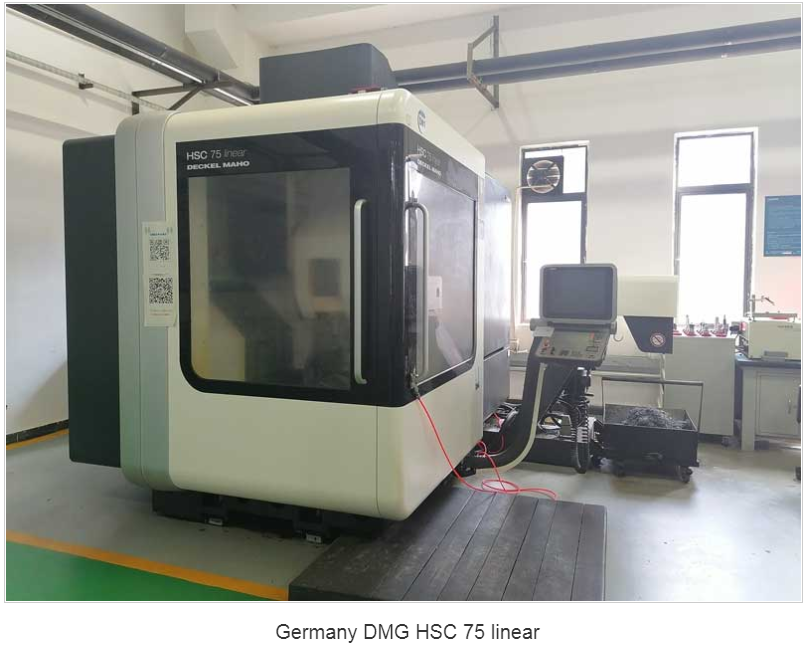
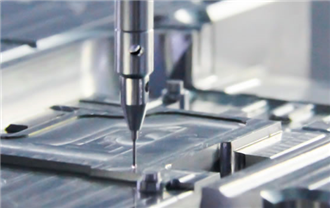
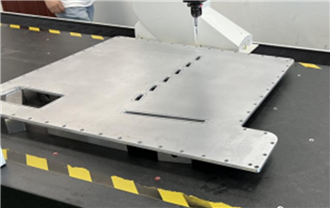
● Tolerance control: For tight specifications, confirm the shop can hold ±0.005 mm or better. Review their equipment list and ask for a sample capability chart. Reference standards such as ASME Y14.5 for GD&T compliance. A shop floor image can show real capacity; see an example setup at 5 axis cnc work center.
Quality assurance separates professional machine shops from hobbyist garages. Look for:
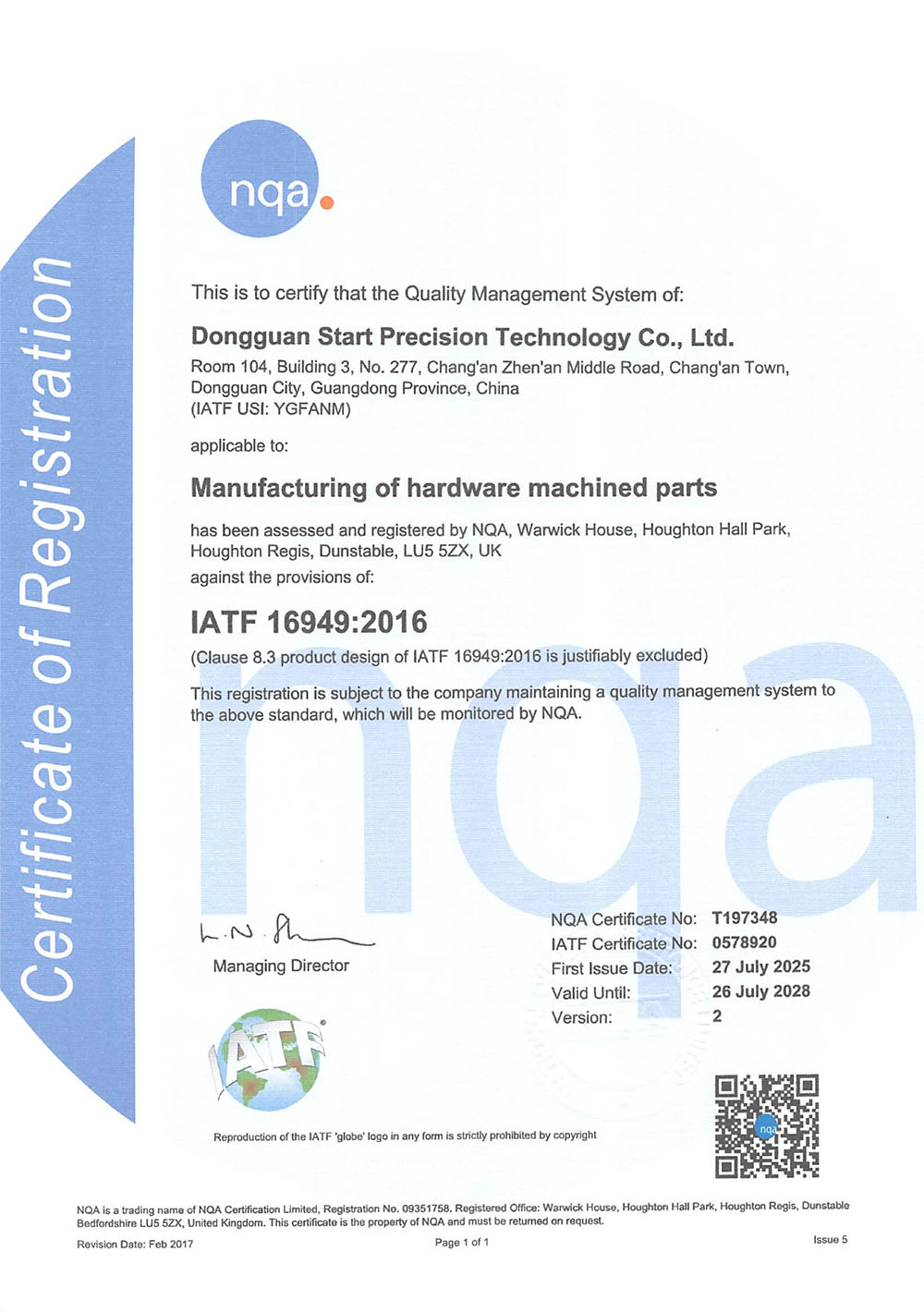
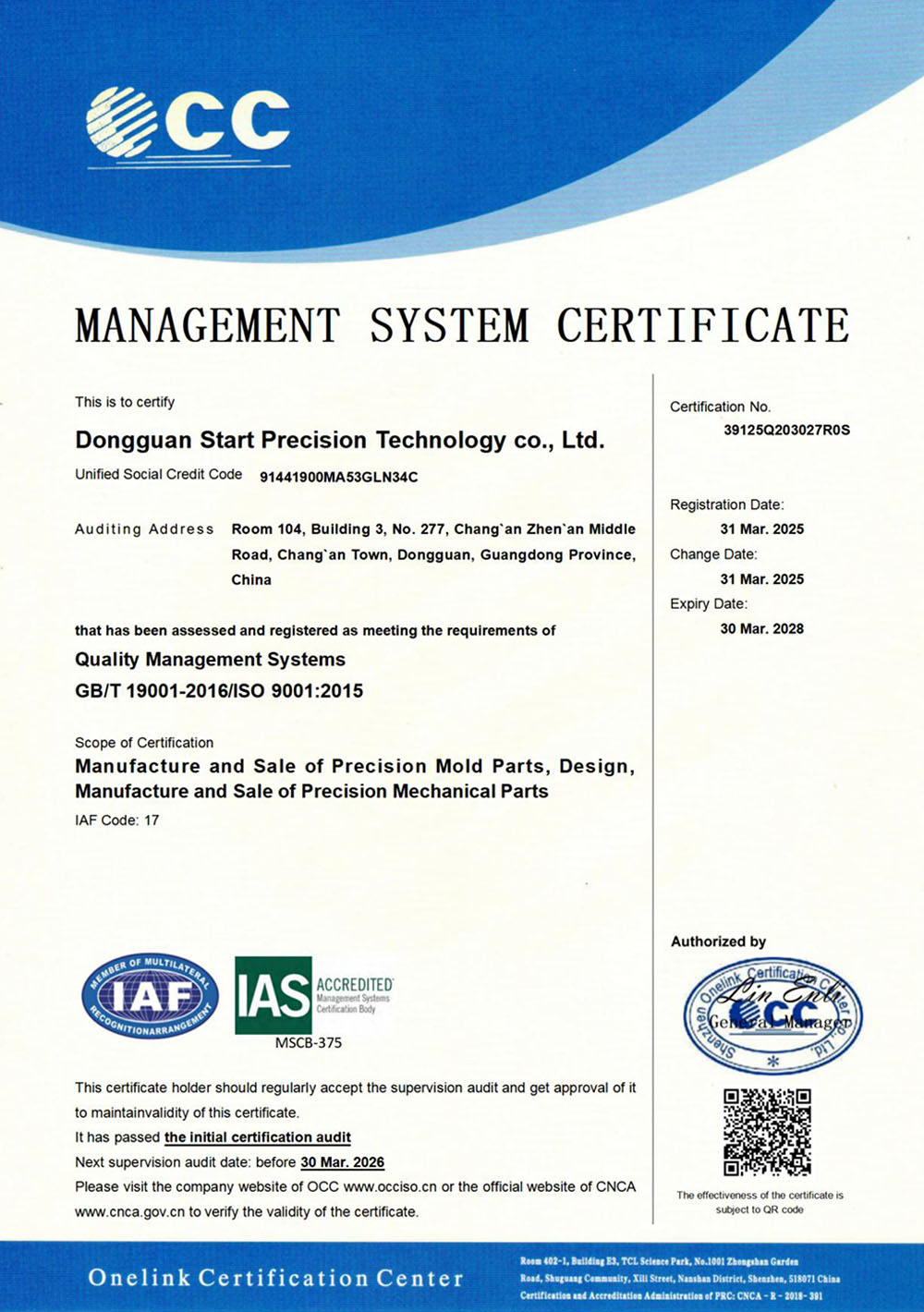
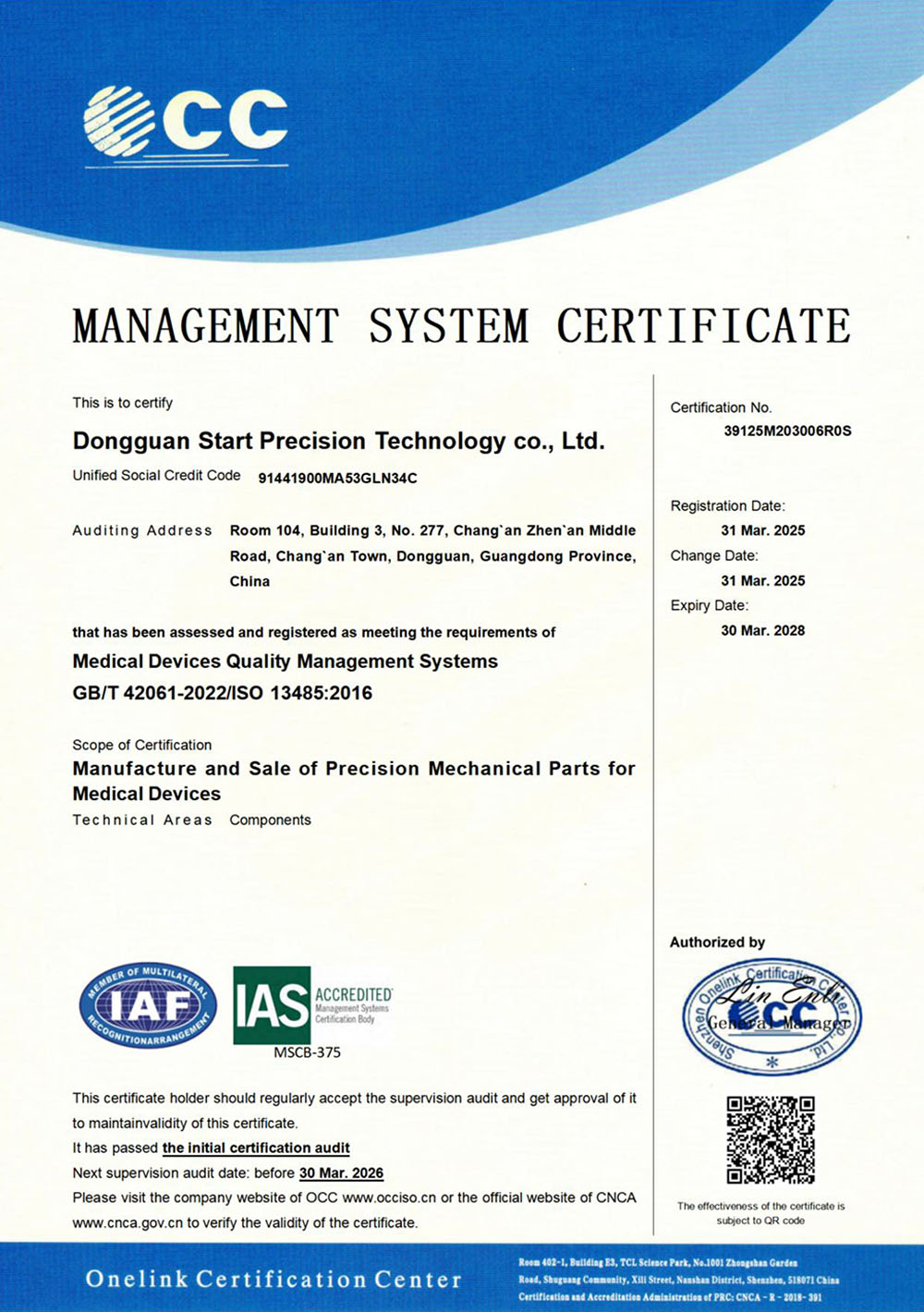
● Industry certifications: ISO 9001 is the baseline. For aerospace or medical projects, AS9100 or ISO 13485 are mandatory. Check the current certificate status through ISO Organization Certification Database.
● In-process inspection: Ask if they use CMMs, laser scanners, and vision systems. A detailed first-article inspection report (FAIR) should accompany every batch.
● Traceability: Material certificates and lot tracking prevent mix-ups. Explore our Quality Assurance Process Page to understand what full traceability looks like.
Seasoned machinists contribute design-for-manufacturability (DFM) feedback that saves time and money. During quotation, observe whether the company suggests alternative materials, thread reliefs, or fixture modifications to reduce cost. Request case studies relevant to your sector—automotive, robotics, medical devices. A reputable supplier will share redacted examples; In addition, confirm they understand regulatory requirements. For instance, medical components often need FDA 21 CFR Part 820 compliant documentation.
● Responsiveness: Do they answer technical questions within one business day? Consistent communication indicates robust project management.
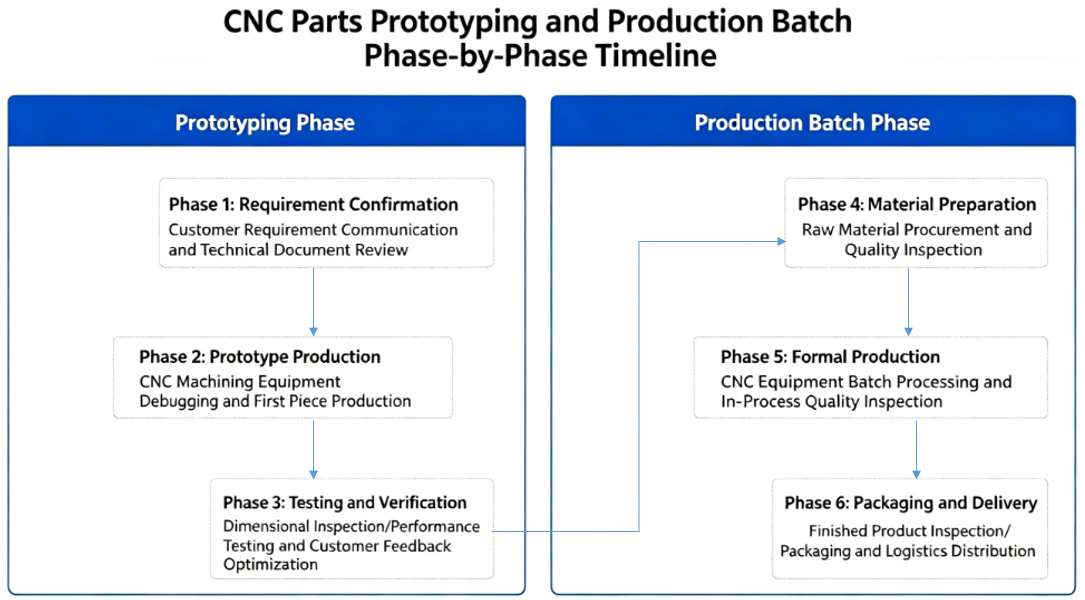
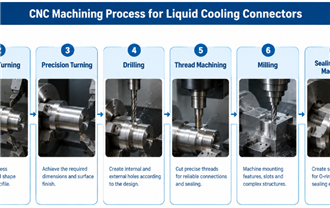
● Realistic lead times: Very short delivery promises can be a red flag. Reputable shops provide phased timelines for prototypes and production runs. A typical visualization of workflow stages is shown in the follow Image .
● Scalability: Confirm whether the company can ramp from 10 prototype units to 10,000 production parts without sacrificing quality, and whether they manage sub-supplier processes like anodizing or heat treating.
The lowest bid often excludes crucial services. Request line-item breakdowns that separate material, programming, setup, machining, and post-processing costs. Factor in:
● Raw material surcharges
● Expedite fees
● Packaging and logistics
A transparent quote avoids billing surprises later.
Q1:What questions should I ask before hiring a CNC machining company?
Ask about their typical tolerance range, inspection equipment, material sources, lead time for your specific geometry, minimum order quantity, and whether they provide DFM feedback before production begins.
Q2:How can I verify a machine shop’s quality control?
Request copies of their ISO or AS certificates, plus a sample inspection report and a certificate of conformance.
Q3:What is the normal lead time for CNC machined parts?
Simple aluminum parts may ship in 1–2 weeks; complex multi-axis parts with finishing can take 4–6 weeks. Always confirm current shop loading during inquiry.
Q4:Can I get a prototype before full production?
Yes, most professional shops offer prototype runs. This allows you to validate fit, form, and function before committing to a large production batch.
Choosing the right CNC machining partner requires disciplined technical, quality, and commercial evaluation. Prioritize performance over price, and the partnership will pay long-term dividends for your project.
Add: Building 3No.277 Zhen'an Middle Road, Chang'an Town,Dongguan,Guangdong, China
Tel:+86-769-82855591
Copyright © 2019 All Rights Reserved Dongguan Start Precision Technology Co., Ltd. Tel: +86-769-82855591
Add: No. 277 Zhen'an Middle Road, Chang'an Town, Dongguan, Guangdong, China



 中文版
中文版 English