Rapid Prototyping & Low Volume Production Machining
Date:2026-02-28Article editor:Starting Point PrecisionViews:580The Power of Rapid Prototyping
Rapid prototyping allows engineers to validate designs, test fit and function, and identify potential issues before committing to mass production. CNC machining is ideal for this phase because it produces parts from the same materials intended for final use, ensuring accurate mechanical and thermal performance. With rapid prototyping and low volume production machining, design iterations that once took weeks can now be completed in days.
The ability to quickly refine designs accelerates innovation and reduces time-to-market. Whether you need a single concept model or a handful of test units, CNC machining delivers precision and repeatability.
Seamless Transition to Low Volume Production
Once a design is validated, the next step is often low volume production. This phase supports market testing, regulatory approvals, or initial product launches without the investment required for high-volume tooling. Rapid prototyping and low volume production machining use the same CNC programs and setups, ensuring that production parts match prototypes exactly.
Refer to Harvard Business Review -How to Stand Out in a Company’s Global Manufacturing Network.
Low volume production runs—typically ranging from dozens to thousands of parts—are cost-effective because there are no expensive molds or dies. Changes can still be made between batches, offering flexibility that mass production cannot match.
CNC Technology Enabling Speed and Precision
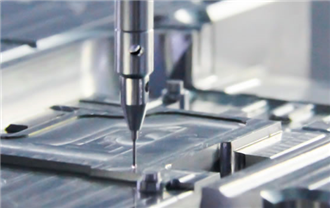
Modern CNC machining centers equipped with multi-axis capabilities, high-speed spindles, and automated tool changers make rapid prototyping and low volume production machining highly efficient. Advanced CAM software simulates tool paths to optimize cycle times and prevent errors. In-process probing ensures dimensional accuracy throughout the run.
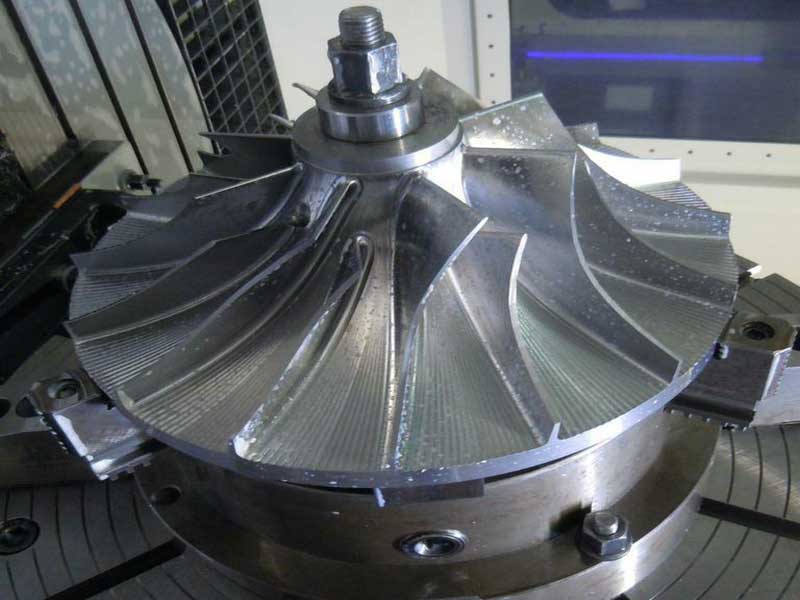
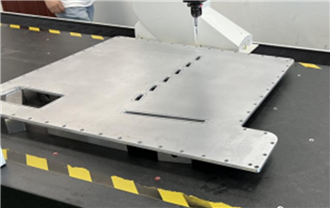
A CNC machine cutting a prototype part with precision
Material versatility is another advantage. From metals like aluminum and stainless steel to engineering plastics such as PEEK and Delrin, rapid prototyping and low volume production machining accommodate a wide range of materials, allowing you to test and produce parts exactly as specified.
Applications Across Industries
This manufacturing approach serves diverse sectors. In medical device development, rapid prototyping and low volume production machining produce surgical instruments and implant prototypes for clinical trials. Automotive companies use it for custom components and test fixtures. Consumer electronics firms rely on it for enclosures and heat sinks.
Even aerospace and defense benefit from small batches of complex, high-performance parts that require strict tolerances and traceability.
Cost-Effective and Scalable
Choosing rapid prototyping and low volume production machining eliminates the need for large inventory investments. You produce only what you need, when you need it. As demand grows, production quantities can scale gradually, reducing financial risk.
Conclusion
Rapid prototyping and low volume production machining offer the perfect blend of speed, precision, and flexibility. Whether you're validating a new concept or fulfilling initial orders, CNC machining delivers quality parts on your timeline.
Contact Us for a Free Quote on Your Next Project.
Ready to bring your ideas to life? Partner with experts who understand the importance of rapid iteration and reliable production.
Add: Building 3No.277 Zhen'an Middle Road, Chang'an Town,Dongguan,Guangdong, China
Tel:+86-769-82855591
Copyright © 2019 All Rights Reserved Dongguan Start Precision Technology Co., Ltd. Tel: +86-769-82855591
Add: No. 277 Zhen'an Middle Road, Chang'an Town, Dongguan, Guangdong, China



 中文版
中文版 English