Low Volume Machining for Test & Measurement Fixtures
Date:2026-02-28Article editor:Starting Point PrecisionViews:561In the world of product development and quality assurance, accurate data depends on reliable fixtures. Low volume machining for test and measurement fixtures provides the precision and customization needed to hold components securely during testing, inspection, and validation. Whether for prototype validation, production line quality control, or laboratory research, CNC-machined fixtures ensure repeatable results and dependable performance.
The Importance of Precision in Test Fixtures
Test fixtures must locate components precisely and consistently to yield meaningful data. Low volume machining for test and measurement fixtures delivers the tight tolerances required for accurate positioning, whether for electronic probes, mechanical gauges, or optical inspection systems. Even minor dimensional errors can compromise test results, making precision machining essential.
Custom fixtures designed for specific applications eliminate variability introduced by makeshift setups. With low volume machining for test and measurement fixtures, engineers can trust that their data reflects product performance, not fixture limitations.
Material Selection for Stability and Durability
The choice of material significantly impacts fixture performance. Low volume machining for test and measurement fixtures utilizes materials selected for dimensional stability, wear resistance, and compatibility with the testing environment:
Aluminum offers lightweight strength and good thermal conductivity
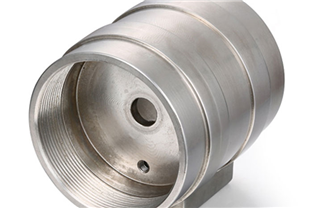
Stainless steel provides corrosion resistance and rigidity
Delrin (acetal) delivers low friction and excellent machinability
G10/FR4 composite materials offer electrical insulation
PEEK withstands high temperatures and chemical exposure
Each material brings unique properties to low volume machining for test and measurement fixtures, allowing optimization for specific test conditions, whether cleanroom environments, thermal cycling, or high-throughput production testing.
Types of Test and Measurement Fixtures
Low volume machining for test and measurement fixtures supports a wide range of applications:
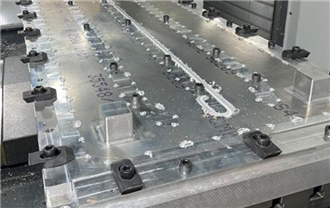
These fixtures position products during electrical, mechanical, or software testing. They often incorporate connectors, probes, and actuators that must align precisely with test points.
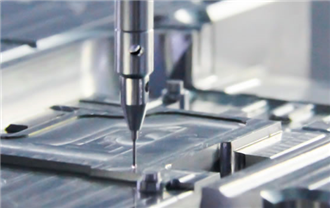
Used with CMMs, optical comparators, or vision systems, these fixtures hold parts in repeatable orientations for dimensional verification.
Before full production, these fixtures verify that components assemble correctly, checking fit and clearance.
Designed to hold parts during temperature, humidity, or vibration testing, these fixtures must maintain dimensional stability under stress.
Design Considerations for Effective Fixtures
Successful low volume machining for test and measurement fixtures begins with thoughtful design. Key considerations include:
Datum features for repeatable part location
Access openings for probes and measurement tools
Modularity to accommodate product variations
Thermal management for temperature-sensitive tests
Ergonomics for operator efficiency
Collaboration between fixture designers and machinists ensures that low volume machining for test and measurement fixtures produces hardware that is both functional and manufacturable.
Rapid Turnaround for Development Cycles
Product development moves quickly, and test fixtures must keep pace. Low volume machining for test and measurement fixtures offers rapid turnaround, often delivering finished fixtures within days of design approval. This speed enables concurrent engineering, where test development proceeds alongside product design.
When design changes occur, fixtures can be modified or remade quickly. The flexibility of low volume machining for test and measurement fixtures supports agile development methodologies and compressed timelines.
Cost-Effective Solutions for Limited Quantities
Test departments rarely need fixtures in high volumes. Low volume machining for test and measurement fixtures provides cost-effective solutions for quantities ranging from one to dozens. Without the expense of injection molds or dedicated tooling, custom fixtures become affordable even for specialized, one-off applications.
This approach also supports fixture evolution. As test requirements change, new iterations can be produced without scrapping expensive tooling.
Quality Assurance for Reliable Testing
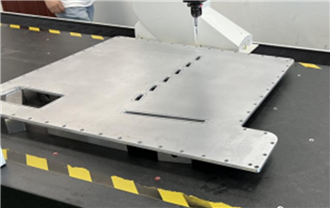
Fixtures themselves must be verified before use. Low volume machining for test and measurement fixtures includes dimensional inspection to confirm that critical features meet specifications. This documentation provides confidence in test results and supports quality system requirements.
Conclusion
Reliable testing demands reliable fixtures. Low volume machining for test and measurement fixtures delivers the precision, material versatility, and rapid turnaround that product development and quality assurance teams require. Whether for functional testing, inspection, or validation, custom-machined fixtures ensure accurate, repeatable results.
Ready to improve your test accuracy with precision-machined fixtures? Please contact our team for a fixture machining. Quote
Add: Building 3No.277 Zhen'an Middle Road, Chang'an Town,Dongguan,Guangdong, China
Tel:+86-769-82855591
Copyright © 2019 All Rights Reserved Dongguan Start Precision Technology Co., Ltd. Tel: +86-769-82855591
Add: No. 277 Zhen'an Middle Road, Chang'an Town, Dongguan, Guangdong, China



 中文版
中文版 English