From CAD to Part: A Guide to Low Volume Precision Prototype Machining
Date:2026-03-12Article editor:Starting Point PrecisionViews:509In today’s fast‑paced product development landscape, the ability to quickly transform a digital design into a physical object is critical. Low volume precision machining bridges the gap between concept and production, enabling engineers and designers to test form, fit, and function without the cost and lead time of full‑scale manufacturing. This article walks you through the journey from CAD file to finished part, highlighting key considerations, best practices, and how to leverage both internal and external resources for a seamless workflow.
1. The CAD Model: Foundation of Precision
Every precision prototype starts with a robust 3D model. When preparing your CAD for low volume machining, keep these points in mind:
1. Design for Manufacturability (DFM): Simplify features that are difficult to machine, such as deep slots or sharp internal corners. Use standard tool sizes whenever possible.
2. File Formats: STEP (.stp) or IGES are preferred for transferring solid models to the machinist. Parasolid files are also widely accepted.
3. Tolerances: Clearly specify critical dimensions. Over‑tolerancing increases cost; only tighten what is necessary. Learn about standard machining tolerances in our tolerances overview.
2. Material Selection for Prototypes
Material choice affects machinability, cost, and part performance. Common options include:
● Aluminum 6061 – excellent machinability, lightweight, and corrosion resistant.
● 304 Grade Stainless Steel – engineered for enhanced structural strength and superior corrosion resistance. – for higher strength and corrosion resistance.
● Brass – good for electrical components and decorative parts.
● Plastic materials –including ABS, Delrin and Nylon boast the advantages of light weight, low friction coefficient and high cost performance.
You can compare properties with external resources like MatWeb.
3. Machining Strategies for Low Volume Runs
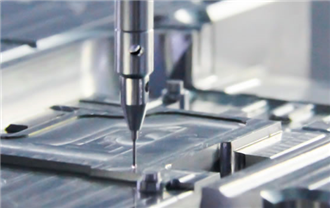
Low volume prototype machining typically employs CNC milling, turning, or a combination of both. The choice depends on part geometry and quantity.
3‑Axis Milling: Ideal for prismatic parts with flat surfaces.
5‑Axis Machining: Reduces setups and allows complex geometries.
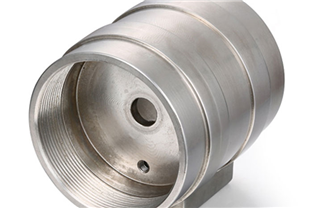
CNC Turning: For cylindrical features; often combined with milling in turn‑mill centers.
Explore advanced techniques in our CNC machining strategies article. For industry news and case studies, Modern Machine Shop offers valuable insights.
4. Achieving Precision and Tight Tolerances
Precision machining can hold tolerances as tight as ±0.005 mm (±0.0002 in) for critical features. Factors that influence accuracy:
1. Machine calibration and thermal stability.
2. Tool selection and wear monitoring.
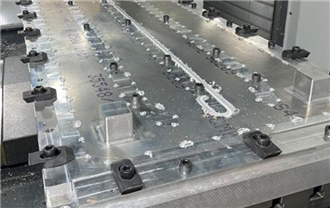
3. Fixturing rigidity.
5. Surface Finishes and Secondary Operations
After machining, parts often require surface treatment to improve appearance or functionality:
1. Anodization (applied to aluminum) – boosts surface hardness and enables customized coloration.
2. Bead blasting treatment – creates a consistent matte surface finish.
3. Passivation process (for stainless steel substrates) – elevates corrosion resistance performance.
Review all available options in our surface finishing overview . For an external perspective, the Products Finishing website covers the latest in finishing technology.
6. Quality Control and Inspection
Ensuring that the machined prototype matches the CAD model is paramount. Common inspection methods include:
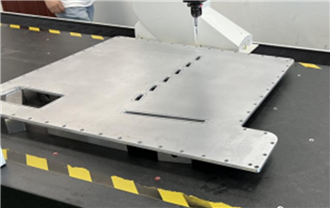
● Coordinate Measuring Machines (CMM) – for dimensional verification.
● Optical Comparators – for checking contours and threads.
● Surface Roughness Testers – to confirm finish specifications.
Read more about our inspection protocols on the quality control page. For industry standards, refer to ASQ .
7. Why Choose Low Volume Precision Prototype Machining?
Speed: Parts can be delivered in days, not weeks.
Cost‑effectiveness: No expensive molds or tooling; ideal for iterations.
Material and Process Validation: Conduct testing utilizing materials designated for mass production.
Market Testing: Produce small batches for beta testing or limited releases.
Conclusion
The transition from CAD to part in low volume precision machining is a structured process that demands attention to design details, material properties, machining strategies, and quality assurance. By following best practices and leveraging trusted resources—both internal guides and external industry knowledge—you can ensure your prototypes are accurate, functional, and delivered on time.
Ready to start your next project? Contact our team or request a quote through our machining services page.
Add: Building 3No.277 Zhen'an Middle Road, Chang'an Town,Dongguan,Guangdong, China
Tel:+86-769-82855591
Copyright © 2019 All Rights Reserved Dongguan Start Precision Technology Co., Ltd. Tel: +86-769-82855591
Add: No. 277 Zhen'an Middle Road, Chang'an Town, Dongguan, Guangdong, China



 中文版
中文版 English