Low Volume Machining Solutions for Engineers: Precision, Speed, and Flexibility
Date:2026-03-11Article editor:Starting Point PrecisionViews:555Engineers today face increasing pressure to bring products to market faster while maintaining high quality. Traditional high-volume manufacturing is often impractical for prototypes, custom parts, or limited production runs. This is where low volume machining steps in as a critical enabler, offering the precision of conventional machining without the high costs and long lead times associated with mass production. In this article, we delve into what low volume machining entails, its benefits, key technologies, and how engineers can leverage these solutions to accelerate innovation.
What is Low Volume Machining?
Low volume machining refers to the production of small quantities of parts—typically ranging from one to a few thousand units—using subtractive manufacturing processes. Unlike mass production, which relies on dedicated tooling and long setup times, low volume machining emphasizes flexibility and quick turnaround. Common methods include CNC milling, turning, grinding, and electrical discharge machining (EDM). These techniques allow engineers to obtain functional, high-tolerance parts directly from digital designs, making them ideal for iterative testing and market validation.
Key Benefits for Engineers
1. Cost-Effectiveness: By eliminating expensive molds and tooling, low volume machining drastically reduces upfront investment. Engineers can order only what they need, avoiding inventory waste.
2. Speed: With advanced CNC equipment and streamlined workflows, parts can often be machined within days. This agility supports rapid design iterations and compressed development cycles.
3. Design Flexibility: Changes to CAD files can be implemented immediately without retooling costs. This encourages experimentation and optimization.
4. Material Versatility: From aluminum and stainless steel to engineering plastics like PEEK and Ultem, low volume machining supports a wide range of materials, allowing engineers to test real-world performance.
5. Quality Assurance: Modern machining centers deliver tolerances as tight as ±0.005 mm, ensuring that prototypes and low-volume parts meet final production standards.
Core Technologies in Low Volume Machining
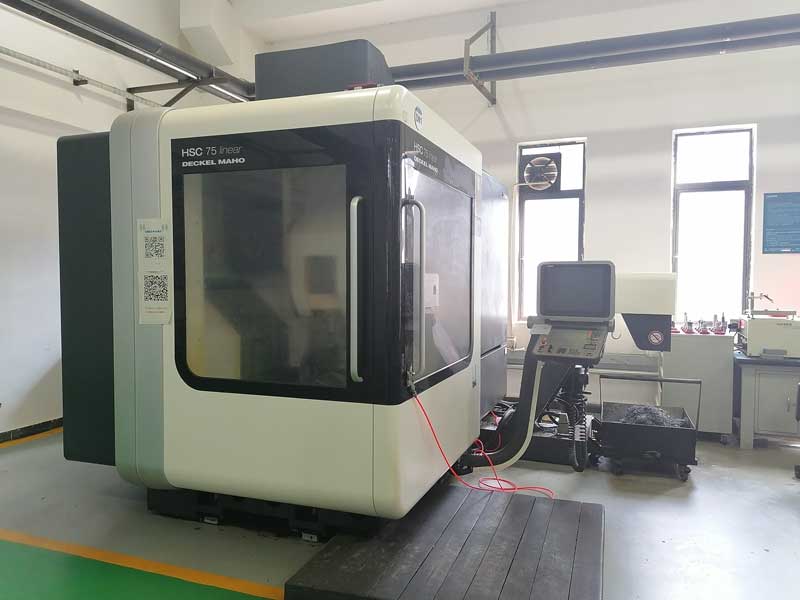
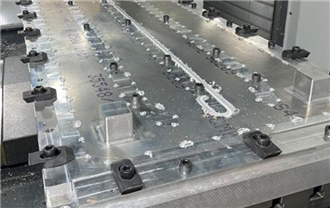
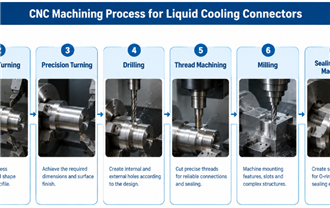
● CNC Machining: The workhorse of low volume production, CNC mills and lathes handle complex geometries with ease. Multi-axis machines (3-axis, 5-axis) enable intricate features in a single setup.
● Swiss Machining: Ideal for small, precise components such as those used in medical devices or electronics. It offers exceptional accuracy for diameters down to 0.5 mm.
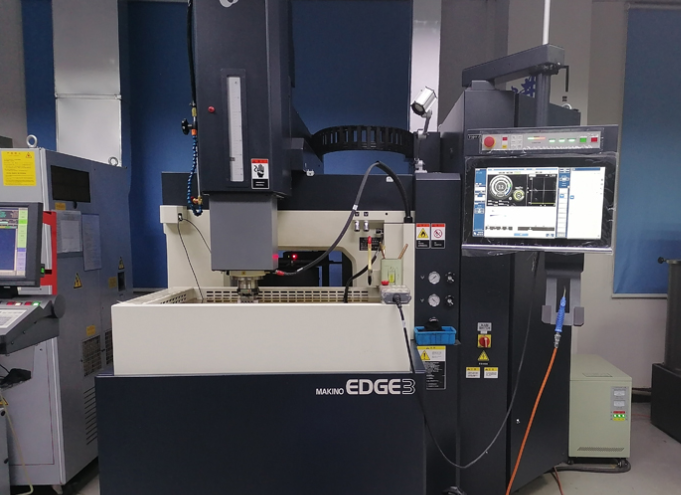
● Electrical Discharge Machining (EDM): Used for hard metals or intricate cavities where traditional cutting tools cannot reach.
● Hybrid Approaches: Combining additive manufacturing (e.g., 3D printing) with subtractive finishing can reduce material waste and speed up production of complex shapes.
Choosing the Right Low Volume Machining Partner
Selecting a reliable service provider is crucial. Engineers should look for:
● Technical Expertise: Does the shop have experience with your industry and materials?
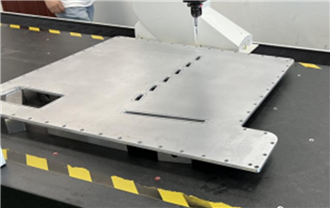
● Equipment Capabilities: Ensure they possess the necessary machinery (e.g., 5-axis CNC, Swiss lathes) and inspection tools (CMM, optical scanners).
● Quality Certifications: ISO 9001 or AS9100 certification indicates adherence to rigorous standards.
● Online Quoting & DFM Feedback: Modern platforms offer instant quoting and design for manufacturability (DFM) analysis, saving time and preventing costly errors.
Real-World Applications
● Aerospace: Custom brackets and housings for test rigs.
● Medical: Surgical instruments and implant prototypes.
● Automotive: Low-volume production of performance parts for electric vehicles.
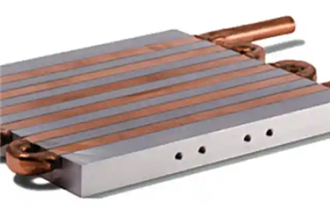
● Consumer Electronics: Enclosures and heat sinks for new gadgets.
For example, a robotics startup recently needed 50 aluminum gearboxes for a pilot run. Using low volume CNC machining, they received finished parts in five days—allowing them to validate the design and secure funding for mass production.
Conclusion
Low volume machining empowers engineers to move from concept to reality with unprecedented speed and control. By embracing these solutions, you can reduce risk, shorten timelines, and ultimately create better products. Whether you need a single prototype or a thousand custom parts, low volume machining offers the precision and flexibility that modern engineering demands.
Add: Building 3No.277 Zhen'an Middle Road, Chang'an Town,Dongguan,Guangdong, China
Tel:+86-769-82855591
Copyright © 2019 All Rights Reserved Dongguan Start Precision Technology Co., Ltd. Tel: +86-769-82855591
Add: No. 277 Zhen'an Middle Road, Chang'an Town, Dongguan, Guangdong, China



 中文版
中文版 English