Precision CNC Lathe Parts Machining for Automotive Industry: Engine Components & Transmission Parts
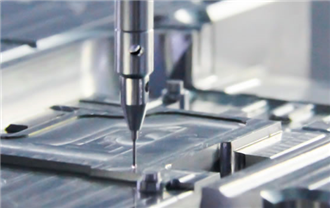
Date:2026-04-01Article editor:Starting Point PrecisionViews:491The automotive industry demands uncompromising precision, durability, and efficiency. Among the most critical manufacturing processes, CNC lathe machining stands out for producing high‑accuracy rotational parts used in engines and transmissions. From valve bodies to gear shafts, computer‑controlled turning centers deliver the tight tolerances and surface finishes required for modern vehicles.
Critical Engine Components Made by CNC Lathes
Engine performance relies on components that withstand extreme temperatures, pressure, and friction. CNC lathes excel at machining:
● Cylinder liners and pistons – Requiring concentricity within microns to ensure proper sealing and reduced oil consumption.
● Valve seats and guides – Demanding heat‑resistant materials like Inconel or hardened steel with exact angular geometry.
● Crankshaft and camshaft blanks – Where multi‑axis live tooling combined with turning operations completes drilling, milling, and keyway cutting in one setup.
Transmission Parts That Rely on Turning Precision
Transmission systems transfer power with minimal loss, so every gear, shaft, and clutch component must maintain form accuracy and surface integrity. Common CNC lathe‑produced transmission parts include:
● Input and output shafts – Often with splines, helical grooves, and bearing journals machined to ISO 6 or higher tolerances.
● Planetary gear carriers – Complex geometries that combine turning with secondary operations such as broaching or hobbing.
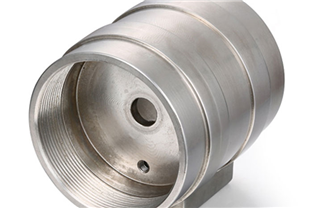
● Valve bodies and hydraulic pistons – Where bore roundness and surface finish directly affect shift quality and durability.
Advanced CNC lathes with Y‑axis and sub‑spindle capabilities allow complete machining of these parts in a single cycle, reducing handling errors and improving repeatability.
Why CNC Lathe Machining Delivers Automotive‑Grade Quality
Modern CNC turning centers offer several advantages for automotive production:
1. High precision – Consistent tolerances of ±0.005 mm or tighter, essential for engine and transmission assembly.
2. Material versatility – From aluminum and steel to exotic alloys used in high‑load components.
3. Scalability – Seamless transition from prototyping to high‑volume production with automated bar feeders and robotic part loaders.
Adherence to standards such as IATF 16949 ensures that every machined part meets strict automotive quality management requirements. To learn how automation improves production efficiency, visit Modern Machine Shop – CNC Turning Automation.
Conclusion
CNC lathe machining remains a cornerstone of automotive manufacturing, especially for engine and transmission components where precision, strength, and reliability are non‑negotiable. By combining advanced multi‑axis turning centers, rigorous process controls, and robust quality systems, manufacturers consistently deliver parts that meet the demanding performance standards of today’s vehicles.
Add: Building 3No.277 Zhen'an Middle Road, Chang'an Town,Dongguan,Guangdong, China
Tel:+86-769-82855591
Copyright © 2019 All Rights Reserved Dongguan Start Precision Technology Co., Ltd. Tel: +86-769-82855591
Add: No. 277 Zhen'an Middle Road, Chang'an Town, Dongguan, Guangdong, China



 中文版
中文版 English