Comparison of CNC Turning, CNC Milling and CNC Grinding
Date:2026-04-20Article editor:Starting Point PrecisionViews:478Choosing the right subtractive manufacturing process is critical for part quality, cost efficiency, and production speed. In modern machine shops, CNC Turning, CNC Milling, and CNC Grinding form the foundational triad of precision machining. While they sometimes overlap in capability, each process is optimized for distinct geometries and surface finish requirements. This guide breaks down the selection criteria to help engineers and procurement specialists make an informed decision.
1.Understanding the Core Processes
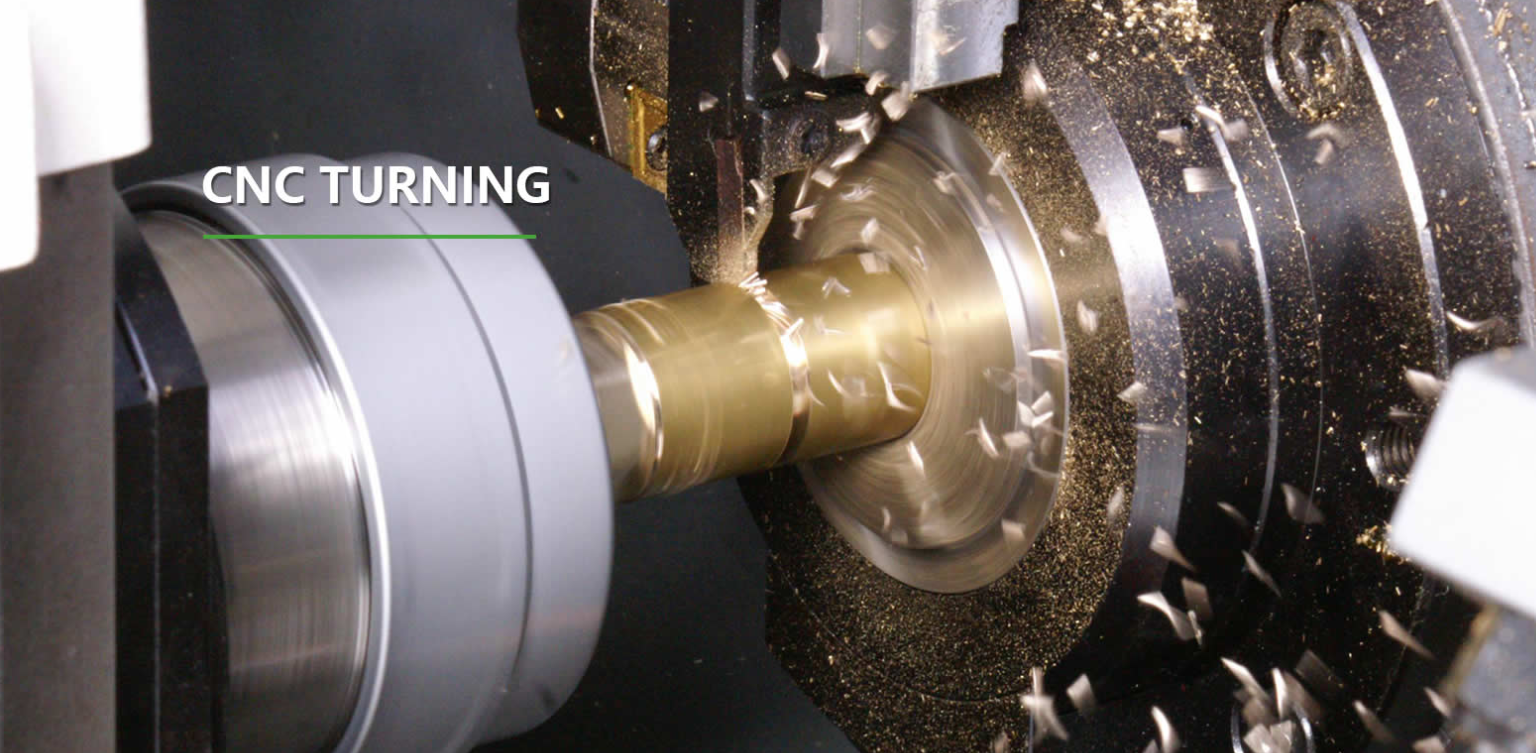
1.1 CNC Turning: The Rotational Specialist
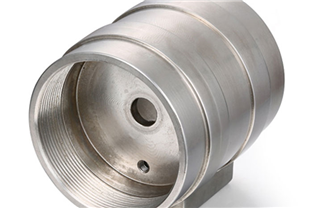
In CNC turning, the workpiece rotates at high speed while a stationary cutting tool removes material. This process is ideal for creating cylindrical or rotationally symmetrical parts such as shafts, bushings, pins, and threaded rods.
· Best for: Concentric features, grooves, tapers, and threads on round stock.
· Surface Finish: Generally produces a smooth finish (Ra 0.8–3.2 µm) directly off the lathe.
· Limitations: Not suitable for complex prismatic shapes, deep pockets, or off-axis holes.
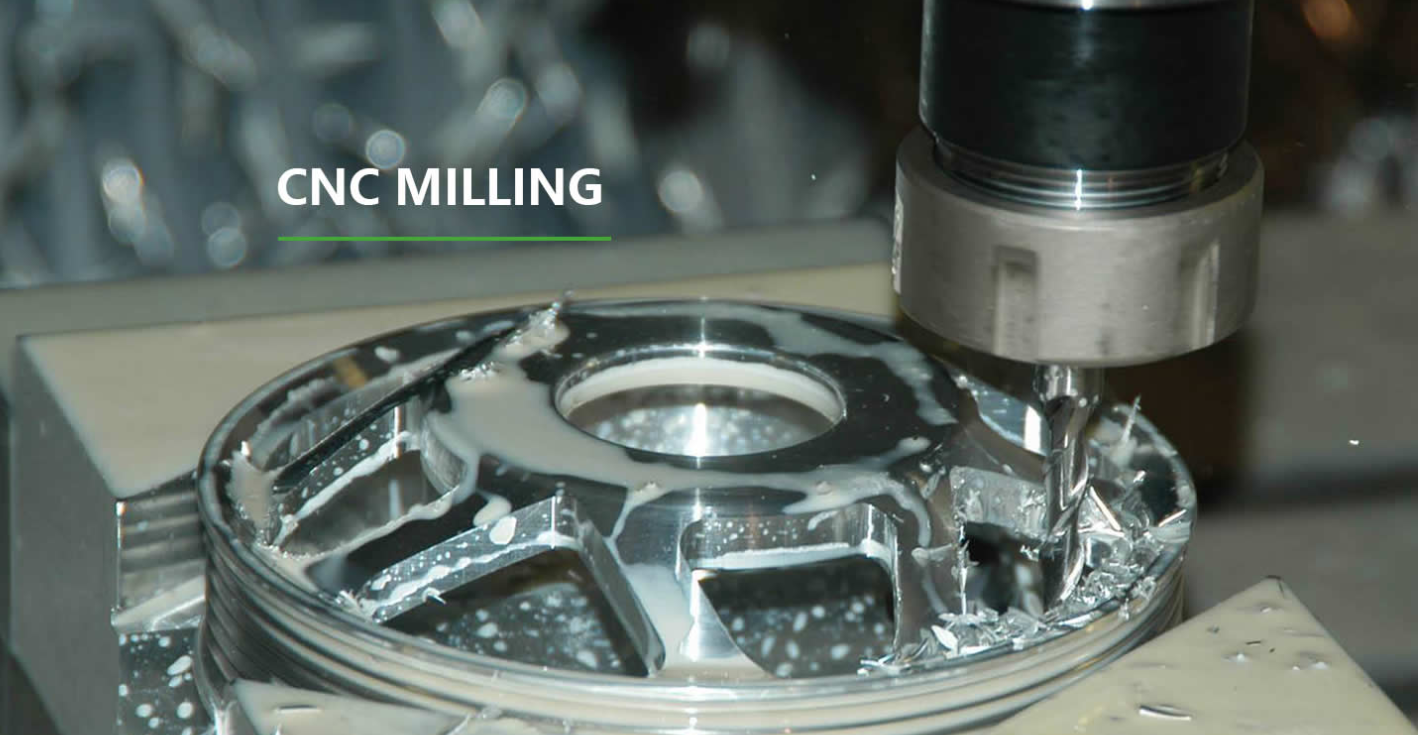
1.2 CNC Milling: The Versatile Shaper
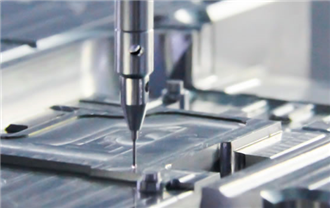
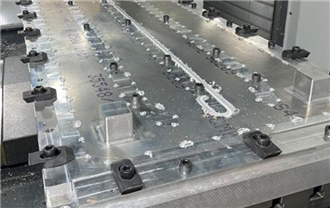
CNC milling uses a rotating multi-point cutting tool to traverse a stationary (or linearly moving) workpiece. It excels at producing complex 3D contours, flat surfaces, slots, and pockets.
· Best for: Brackets, manifolds, engine blocks, mold cavities, and parts requiring non-cylindrical geometries.
· Capability: 5-axis milling can achieve complex undercuts and angled features impossible on a lathe.
· Consideration: Workholding and tool deflection must be managed for deep, narrow features.
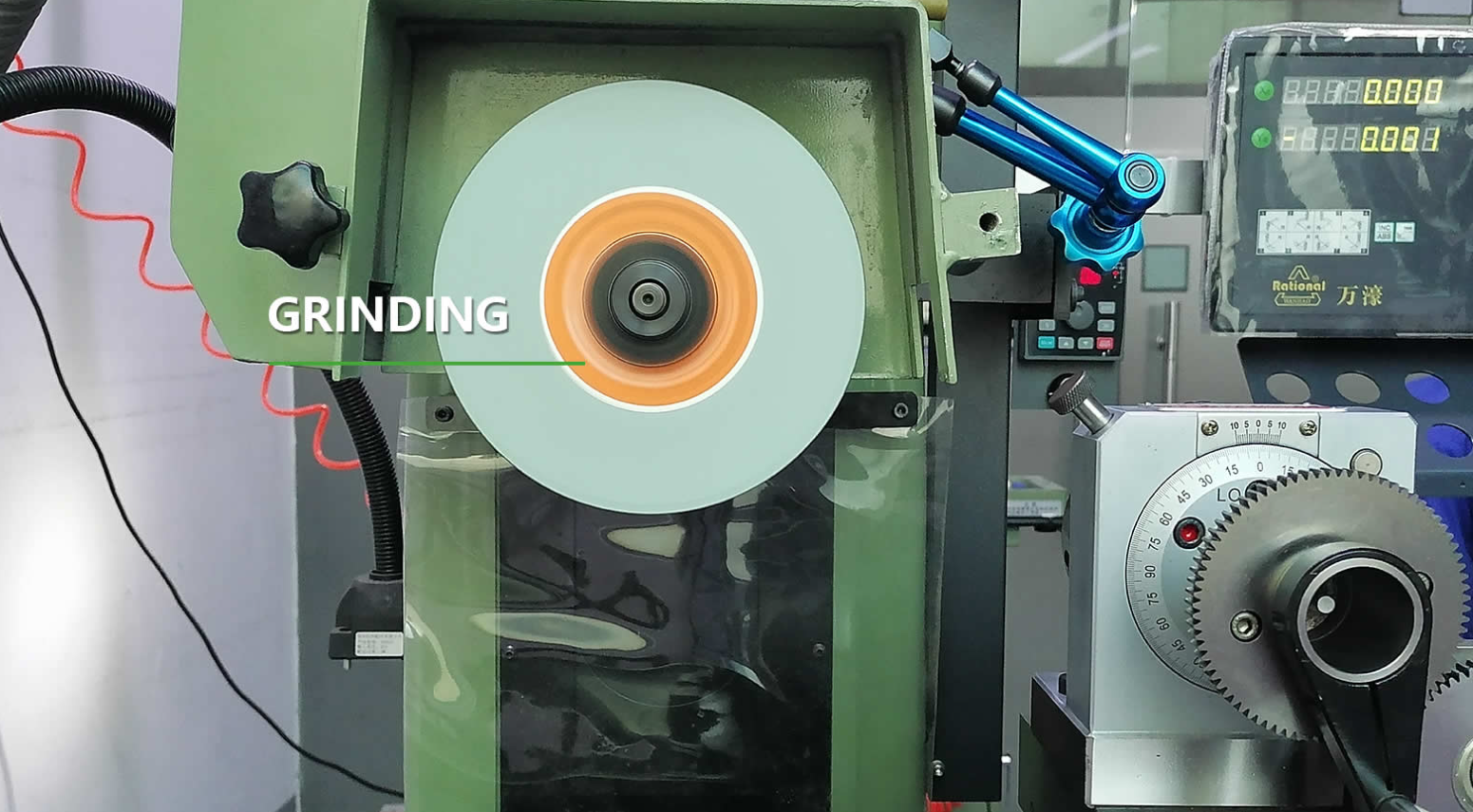
1.3 CNC Grinding: The Precision Finisher
Grinding is not a bulk material removal process; it is a surface refinement and high-precision sizing process. It uses an abrasive wheel to remove material at the micron level.
· Best for: Achieving extremely tight tolerances (±0.0001" / 0.0025 mm), improving surface roughness (Ra < 0.4 µm), and machining hardened steels post-heat-treatment.
· When to Use: When turning or milling leaves a surface too rough or when the part demands extreme dimensional accuracy that cutting tools cannot reliably hold.
2.Decision Matrix: How to Select the Right Process
To select between turning, milling, and grinding, evaluate the part based on the following four factors..
2.1. Part Geometry (The Primary Filter)
· Is the part completely round or mostly cylindrical? → CNC Turning
· Does the part have flat faces, complex angles, or non-round pockets? → CNC Milling
Note: Many parts require a hybrid approach. For example, a complex medical implant may be Milled for shape, then Ground for the bearing surface.
2.2. Tolerance and Surface Finish Requirements
· Standard Tolerance (±0.005" / 0.13 mm): Milling or Turning sufficient.
· Tight Tolerance (±0.001" / 0.025 mm): Milling or Turning with careful setup.
· Extreme Precision (±0.0002" / 0.005 mm): CNC Grinding is mandatory.
· Mirror Finish (Ra < 0.1 µm): Only grinding (and subsequent lapping/polishing) can achieve this reliably.
2.3. Material Hardness
· Soft Materials (Aluminum, Brass, Plastics): Milling and Turning are highly efficient and cost-effective.
· Hardened Steels (>45 HRC): Cutting tools for turning/milling wear rapidly. Grinding is the preferred method for finishing hard metals or ceramics.
2.4. Production Volume and Cost
· Prototyping (1–10 pcs): CNC Milling is often fastest for one-off complex parts. Turning is faster for simple round parts.
· Mid-Volume Production: Evaluate cycle time. Turning is significantly faster for round parts than milling those same features on a VMC.
· High Precision Finishing: Grinding has a higher cost per part than turning but is essential for functionality in aerospace and automotive components.
3.Conclusion: The Integrated Workflow
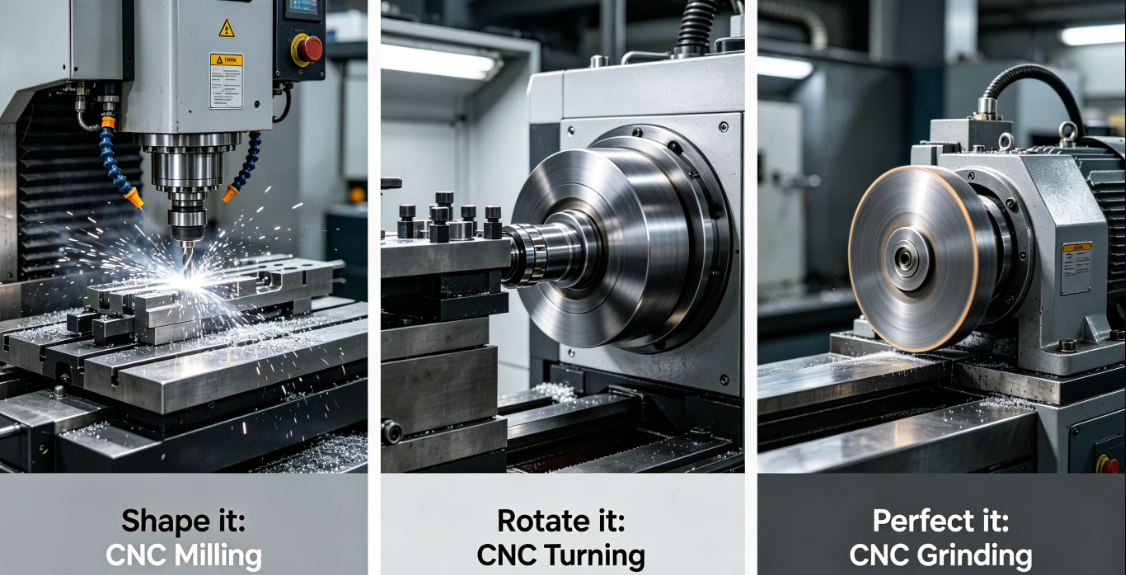
Rarely does a high-performance component rely on a single process. A typical precision shaft might start with CNC Turning to rough the diameter, move to CNC Milling to cut a keyway or cross-hole, and finish with Cylindrical Grinding to achieve the final bearing fit tolerance.
Summary Selection Rule:
By aligning the part's geometric complexity, tolerance stack-up, and material condition with the strengths of each process, you optimize not just the part, but the entire supply chain.
Add: Building 3No.277 Zhen'an Middle Road, Chang'an Town,Dongguan,Guangdong, China
Tel:+86-769-82855591
Copyright © 2019 All Rights Reserved Dongguan Start Precision Technology Co., Ltd. Tel: +86-769-82855591
Add: No. 277 Zhen'an Middle Road, Chang'an Town, Dongguan, Guangdong, China



 中文版
中文版 English