CNC Machining Parts Material Guide: Steel, Aluminum & Composite Options
Date:2026-01-27Article editor:Starting Point PrecisionViews:580Selecting the optimal material is the foundational decision in any CNC machining project. It directly impacts the part's performance, durability, cost, and manufacturability. This guide provides a detailed comparison of three major material families: Steel, Aluminum, and Composites, to help you make an informed choice for your application.
1. Steel: The Epitome of Strength and Durability
Steel alloys are renowned for their exceptional strength, hardness, and wear resistance, making them ideal for high-stress and high-wear applications.
Common CNC Steel Grades:
1045 Carbon Steel: A good general-purpose steel with medium strength and excellent machinability. Often used for gears, shafts, and bolts.
4140 Alloy Steel (Pre-Hardened): Offers high strength, good toughness, and fair wear resistance. A versatile choice for tooling, fixtures, and automotive parts.
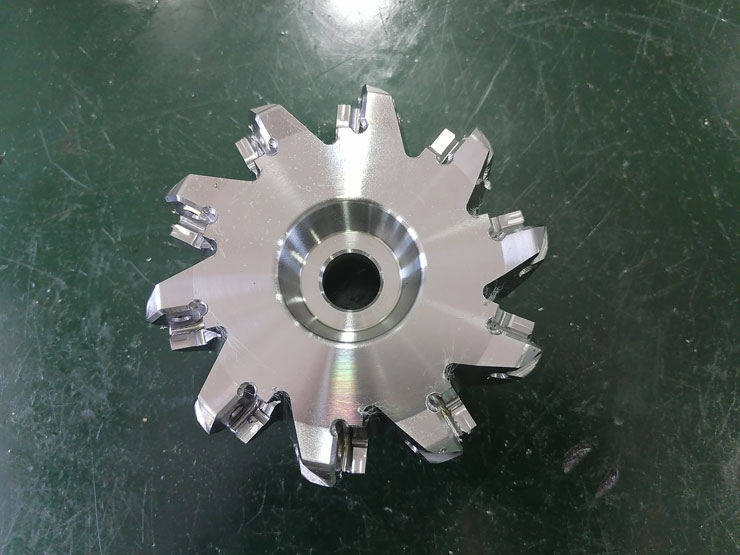
A close-up of a machined 4140 steel parts
Stainless Steel 304/316: Provides excellent corrosion resistance alongside good strength. SS304 is general-purpose, while SS316 offers superior resistance to chlorides, making it perfect for marine, medical, and food processing applications.
Key Advantages:
High Strength & Toughness: Withstands heavy loads and impact.
Superior Wear Resistance: Excellent for parts in constant friction.
Wide Range of Alloys: From low-carbon to tool steels, options abound.
Considerations:
Weight: Significantly heavier than aluminum or composites.
Machining Speed: Generally slower to machine than aluminum, leading to higher tool wear and costs.
Corrosion: Most types (except stainless) require plating or coating for corrosion protection.
Best For: Industrial machinery components, automotive and aerospace structural parts, molds, dies, and any application where ultimate strength and durability are critical. Learn more about machining tough materials in our guide.
2. Aluminum: The Champion of Lightweight Machinability
Aluminum is arguably the most popular CNC machining material, offering an outstanding balance of strength, weight, and ease of machining.
Common CNC Aluminum Alloys:
6061-T6: The universal workhorse. Offers excellent strength-to-weight ratio, good corrosion resistance, and superb machinability and weldability. Used in everything from aerospace frames to consumer electronics enclosures.
7075-T6: A high-strength alloy primarily used in aerospace applications. It is significantly stronger than 6061 but has lower corrosion resistance and is less forgiving to machine.
5052: Known for its excellent corrosion resistance, especially in marine environments, and good formability. It has lower strength than 6061.
Key Advantages:
Lightweight: Essential for weight-sensitive applications (aerospace, drones, automotive).
Excellent Machinability: Can be machined very quickly with good surface finishes, reducing cycle times and cost.
Natural Corrosion Resistance: Forms a protective oxide layer.
Good Thermal & Electrical Conductivity.
Considerations:
Lower Strength than Steel: Not suitable for ultra-high-stress applications.
Softer Material: More prone to surface scratches and wear in abrasive environments.
Best For: Aerospace components, automotive parts, heat sinks, electronic housings, prototypes, and any application where reducing weight is a priority without sacrificing all strength.
3. Composite Materials: Specialized Performance
Composites, like carbon fiber reinforced polymers (CFRP) or fiberglass, are not monolithic metals but layered materials. CNC machining them requires specialized techniques.
Common Machined Composites:
Carbon Fiber Reinforced Polymer (CFRP): Offers an exceptional strength-to-weight and stiffness-to-weight ratio, surpassing many metals. It is anisotropic, meaning its properties differ with grain direction.
G10/FR4 Glass Epoxy: A rigid, strong, and electrically insulating composite commonly used for circuit boards, insulators, and jigs.
Key Advantages:
Extreme Lightweight & Stiffness: Unmatched for high-performance racing and aerospace.
Tailorable Properties: Fiber orientation can be designed for specific load paths.
Corrosion and Fatigue Resistance.
Considerations:
Challenging Machining: Abrasive fibers cause rapid tool wear. Delamination and fraying are common defects without proper techniques (specialized tools, controlled feeds/speeds).
High Material Cost: Significantly more expensive than standard metals.
Not Monolithic: Cannot be welded or easily repaired like metals.
Best For: High-performance aerospace and motorsport components, drone frames, specialized sporting goods, and electrical insulation parts. For further reading on advanced materials, see Composites World.
Material Selection Comparison Table
| Property | Steel (e.g., 4140) | Aluminum (e.g., 6061) | Composite (e.g., CFRP) |
| Strength | Very High | Medium | Very High (Directional) |
| Weight | Heavy | Light | Very Light |
| Machinability | Good | Excellent | Difficult/Specialized |
| Corrosion Resistance | Low (except Stainless) | High | Very High |
| Cost (Material & Machining) | Medium | Low | Very High |
| Best Application | High-stress structural parts | Lightweight, complex prototypes & parts | Ultra-light, high-stiffness structures |
Conclusion
Your choice between steel, aluminum, and composites hinges on your project's primary drivers:
Choose Steel for maximum strength, durability, and wear resistance.
Choose Aluminum for an optimal balance of lightweight properties, good strength, cost-effectiveness, and machinability.
Choose Composites for ultra-high-performance applications where minimizing weight and maximizing stiffness are paramount, regardless of cost and machining complexity.
Always consult with your CNC machining partner during the design phase. Their expertise is invaluable for selecting the most cost-effective material that meets all your functional requirements. Use our Instant Quote to see how material choice impacts your project's cost and timeline.
Add: Building 3No.277 Zhen'an Middle Road, Chang'an Town,Dongguan,Guangdong, China
Tel:+86-769-82855591
Copyright © 2019 All Rights Reserved Dongguan Start Precision Technology Co., Ltd. Tel: +86-769-82855591
Add: No. 277 Zhen'an Middle Road, Chang'an Town, Dongguan, Guangdong, China



 中文版
中文版 English