CNC Machining Parts Import Guide: International Sourcing Tips
Date:2026-02-02Article editor:Starting Point PrecisionViews:661In an interconnected global economy, importing CNC machining parts offers businesses access to cost-effective, high-precision components, but navigating international sourcing requires careful planning. This guide provides essential tips to streamline your procurement process, from supplier selection to logistics, ensuring efficiency and quality.
Why Source CNC Parts Internationally?
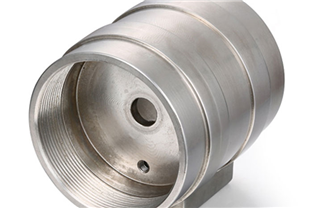
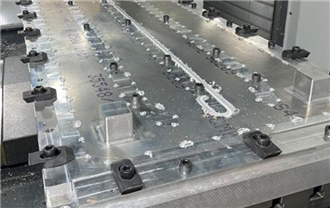
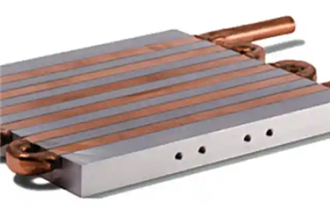
Sourcing CNC parts overseas can reduce costs by up to 50%, thanks to competitive labor and material prices in manufacturing hubs like China, Germany, and Taiwan. It also expands your supplier network, allowing access to specialized technologies and faster production scales. However, challenges like language barriers, cultural differences, and supply chain risks must be managed. Start by defining part specifications—materials, tolerances, and quantities—using digital catalogs for reference.
Selecting Reliable Suppliers
Choosing a trustworthy supplier is critical. Look for certifications such as ISO 9001 for quality management and AS9100 for aerospace standards. Evaluate their portfolio through case studies or client reviews on platforms like ThomasNet. Request samples to verify quality, and consider onsite audits or virtual tours. For deeper insights, refer to our internal checklist for vendor assessment. Payment terms like letters of credit can mitigate risks, and tools like Alibaba help compare options.
Managing Import Logistics and Regulations
Import procedures involve customs clearance, tariffs, and shipping logistics. Partner with a freight forwarder to handle documents like commercial invoices and certificates of origin. Understand Incoterms—e.g., FOB (Free on Board) or DDP (Delivered Duty Paid)—to allocate costs and responsibilities. Stay updated on trade regulations via government portals like U.S. Customs and Border Protection. For real-time tracking, use our logistics dashboard. Plan for lead times and buffer stock to avoid production delays.
Ensuring Quality Control and After-Sales
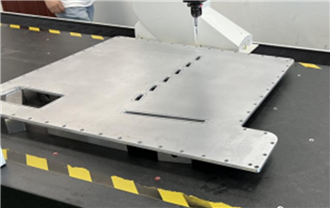
Maintain quality through pre-shipment inspections and third-party audits, using tools like CMMs (Coordinate Measuring Machines) for precision checks. Establish clear communication channels for feedback and issue resolution. Include warranties and return policies in contracts. Our support team offers troubleshooting resources. Build long-term relationships with suppliers for consistent performance.
Conclusion
International sourcing of CNC machining parts can optimize costs and quality when approached strategically. Focus on thorough supplier vetting, compliance with import laws, and robust quality measures. By implementing these tips, you’ll enhance supply chain resilience. Explore more guides on our Official website to stay ahead in global procurement.

Add: Building 3No.277 Zhen'an Middle Road, Chang'an Town,Dongguan,Guangdong, China
Tel:+86-769-82855591
Copyright © 2019 All Rights Reserved Dongguan Start Precision Technology Co., Ltd. Tel: +86-769-82855591
Add: No. 277 Zhen'an Middle Road, Chang'an Town, Dongguan, Guangdong, China



 中文版
中文版 English