Full-Service CNC Machining Shop: Milling, Turning, EDM, Grinding
Date:2026-07-03Article editor:Starting Point PrecisionViews:374Precision manufacturing increasingly depends on the seamless integration of multiple subtractive processes. When a single facility houses advanced milling, turning, EDM, and grinding, the result is tighter tolerances, shorter lead times, and full accountability. StartPrecision operates exactly this way, delivering components that require every one of these disciplines without the delays of subcontracting.
The foundation of an integrated shop is its machinery and process control. Below is a summary of the key machine parameters that enable precision across all four technologies.
| Process | Machine Specification | Key Parameter |
| 5‑Axis Milling | DMG 50 type | 15,000 rpm, ±2.5 µm positioning accuracy, 500×450×400 mm work envelope |
| CNC Turning | Live‑tool lathe | 330 mm max diameter, 3,500 rpm, ±5 µm repeatability with tool probing |
| Wire EDM | Sodick wire machine | 0.25 mm brass wire, 300 mm²/min cutting speed, ±0.003 mm accuracy |
| Sinker EDM | Graphite electrode system | 0.2 µm Ra finish, <5 µm recast layer, multi‑orbit strategy |
| Surface Grinding | Magnetic chuck grinder | 400×150 mm chuck, 0.1 µm down‑feed, 2 µm flatness over 100 mm |
| Cylindrical Grinding | CNC cylindrical grinder | 0.5 µm roundness, 0.1 µm Ra surface finish, ±1°C coolant control |
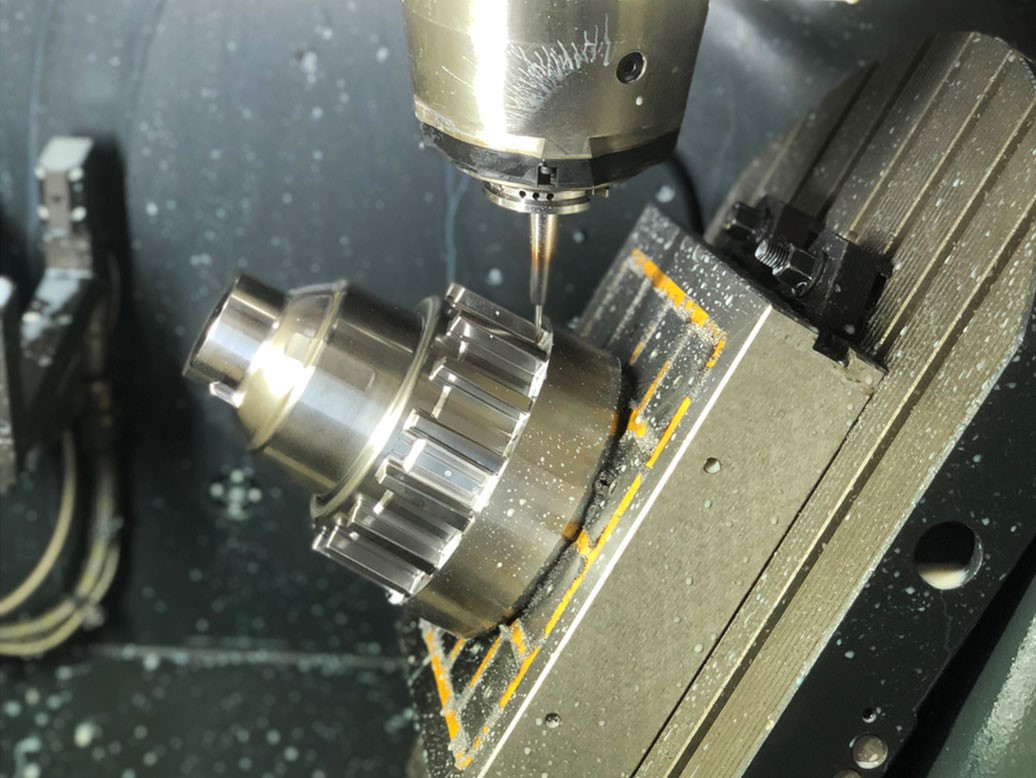
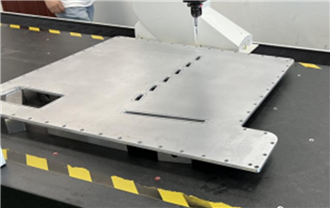
Complex 3D contours are produced on 5‑axis machining centers that allow single‑setup access to five faces, dramatically reducing datum errors. A representative setup is visible in this real‑world 5‑axis machining cell , and detailed specifications for a comparable platform can be reviewed at DMG MORI’s 5‑axis page. With a 15,000 rpm spindle and ±2.5 µm positioning accuracy, these centers handle deep pockets, contoured surfaces, and precision bores in a single
clamping, maintaining profile tolerances within ±0.01 mm.
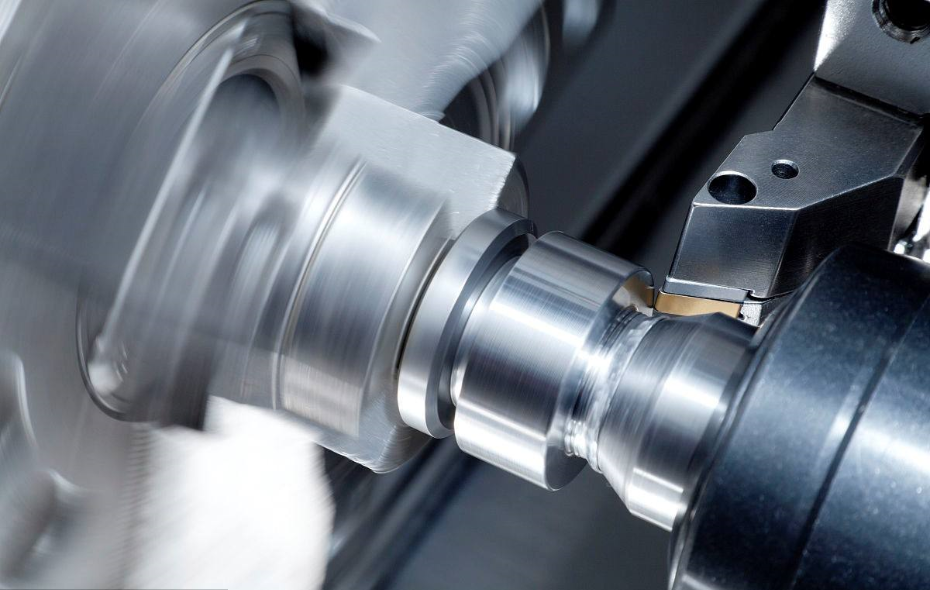
Cylindrical features and bearing journals are finished on live‑tool lathes capable of simultaneous turning and milling. These machines hold a maximum turning diameter of 330 mm and spindle speeds up to 3,500 rpm. In‑process tool probing maintains a repeatability of ±5 µm, while high‑pressure coolant delivery at 70 bar ensures effective chip evacuation and thermal stability. Concentricity between turned diameters consistently falls below 5 µm, and surface finishes down to 0.4 µm Ra are achieved using CBN inserts at cutting speeds of 200 m/min.
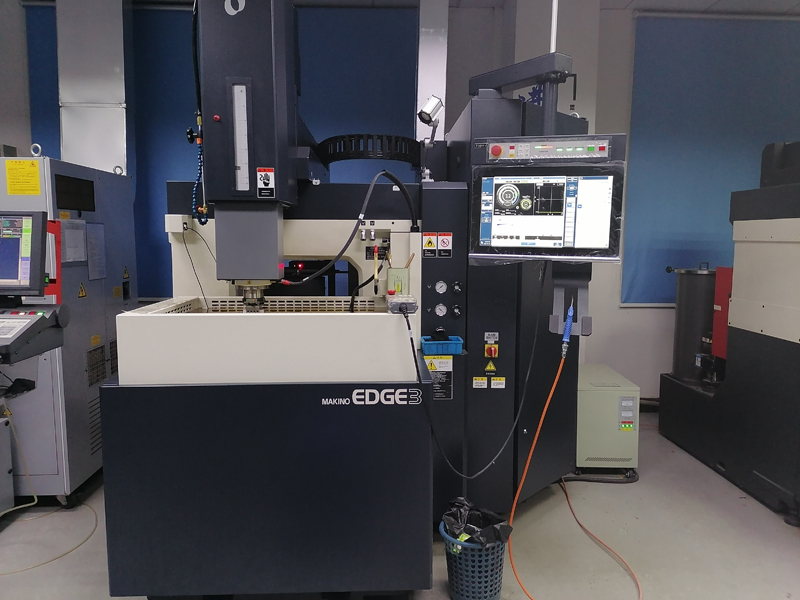
For hardened steels above 60 HRC, EDM removes material without mechanical stress. The underlying physics is explained in the EDM encyclopedia entry. Modern wire EDM, such as the Sodick wire EDM series, cuts narrow slots and sharp internal corners with 0.2 mm wire and four skim cuts, achieving slot width tolerance of ±0.003 mm. Sinker EDM then handles blind cavities using graphite electrodes and orbiting routines to deliver finishes down to 0.2 µm Ra while keeping the heat‑affected recast layer under 5 µm.
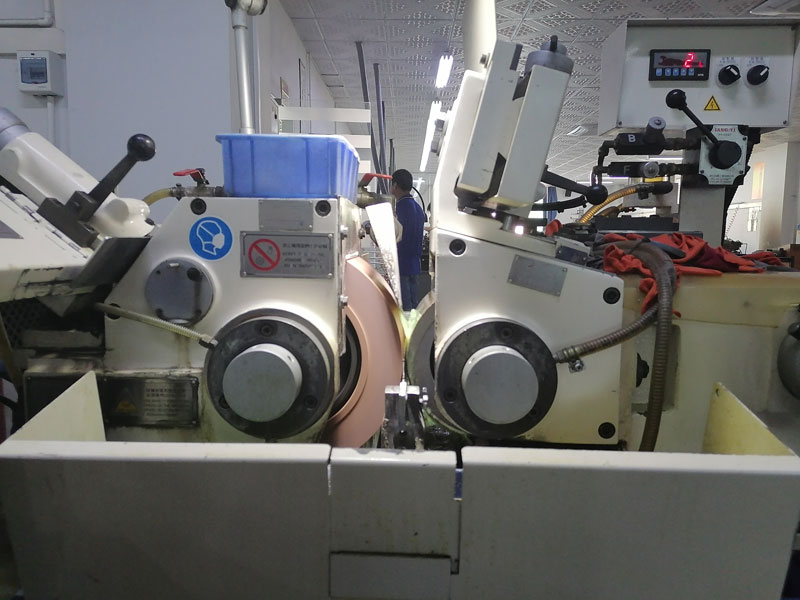
Surface and cylindrical grinding bring parts to final geometry and surface finish. A high‑precision surface grinder with 0.1 µm down‑feed increments produces flatness within 2 µm over 100 mm, while cylindrical grinding achieves 0.5 µm roundness and 0.1 µm Ra on bearing journals. The closed‑loop coolant system maintains temperature within ±1°C, eliminating thermal distortion—an advantage documented by United Grinding’s surface grinding technology .
Keeping milling, turning, EDM, and grinding in‑house eliminates transport and queue times, typically cutting total lead times by 20–40%. A unified quality team ensures that any deviation is caught in real time, and design feedback loops are instantaneous. The result is a scalable manufacturing model that moves from prototype to production without requalification. For components that span multiple machining disciplines, the integrated approach at Startprecision delivers precision, speed, and genuine supply chain simplicity.
A recent project for a surgical robotics company involved 200 stainless‑steel linkage arms. Each part required 5‑axis milled pockets, IT5‑grade turned bearing journals, and wire‑EDM flexures. The milling operation ran a 12,000 rpm roughing cycle followed by a 15,000 rpm finishing pass to hold ±0.01 mm profiles. Turning then produced 8 mm journals with 0.4 µm Ra using CBN inserts at 200 m/min. Wire EDM cut 0.3 mm wide stress‑relieving slits with a 0.2 mm wire and four skim cuts. Finally, surface grinding of the sealing faces achieved 0.4 µm Ra flatness within 2 µm.
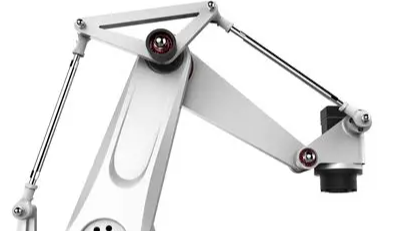
Because StartPrecision sequenced all steps under one quality system, the entire batch shipped in 18 working days—ten days faster than using separate vendors. The customer also consolidated three supplier audits into one, greatly simplifying compliance.
1. What tolerances can a full-service CNC shop consistently hold?
Milling and turning regularly hold ±0.01 mm, EDM ±0.003 mm, and grinding ±0.002 mm. With in‑process probing and thermal control, ±0.001 mm is achievable.
2. Does integrating all processes truly reduce lead time?
Yes. Removing shipping and separate queues cuts total lead time by 20–40%. Overlapping operations—starting EDM while milling finishes—further accelerates delivery.
3. What materials are compatible with these four technologies?
Aluminum, stainless steels, titanium, Inconel, tool steels, ceramics, and plastics. EDM extends capability to hardened steels above 60 HRC that would damage conventional cutters.
4. Is a single‑source shop viable for both prototype and production runs?
Absolutely. The same machines and processes run first‑article prototypes and full production, so scaling up requires no new supplier qualification.
Add: Building 3No.277 Zhen'an Middle Road, Chang'an Town,Dongguan,Guangdong, China
Tel:+86-769-82855591
Copyright © 2019 All Rights Reserved Dongguan Start Precision Technology Co., Ltd. Tel: +86-769-82855591
Add: No. 277 Zhen'an Middle Road, Chang'an Town, Dongguan, Guangdong, China



 中文版
中文版 English