How to Choose the Right Machining Partner for Your Engineering Project
Date:2026-04-17Article editor:Starting Point PrecisionViews:475Choosing a machining partner is a critical decision that affects your product's quality, lead time, and overall cost. The wrong choice can lead to rework, delays, and frustrated customers. Follow this structured guide to evaluate potential partners and build a long‑term, reliable relationship.
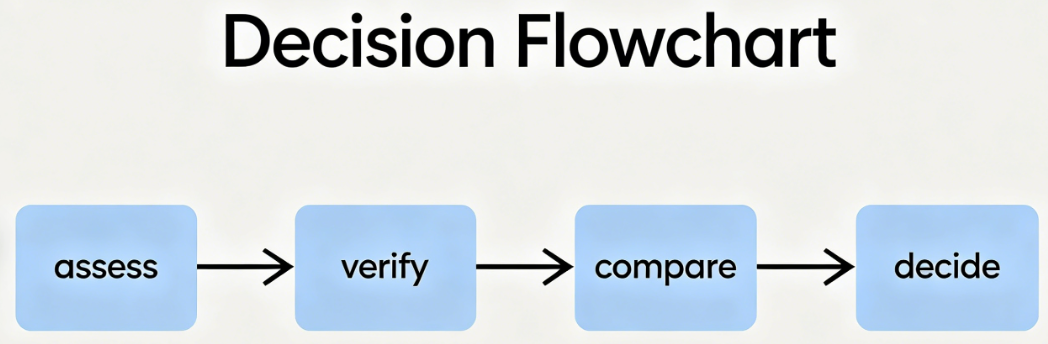
Decision flowchart: assess, verify, compare, decide
1. Match Technical Capabilities to Your Project Needs
Start by listing your project’s requirements: materials (aluminum, steel, titanium, plastics), tolerances (±0.005″ or tighter), production volume (prototype vs. mass production), and secondary operations (heat treatment, anodizing, plating). A capable partner should openly share:
● CNC machine inventory (3‑axis, 5‑axis, Swiss lathes, EDM)
● Maximum part dimensions and weight capacity
● In‑house finishing and inspection equipment (CMM, surface testers)
If your design includes complex geometries, prioritize shops with multi‑axis machining. See our 5‑axis machining examples.
2. Verify Quality Certifications and Track Record
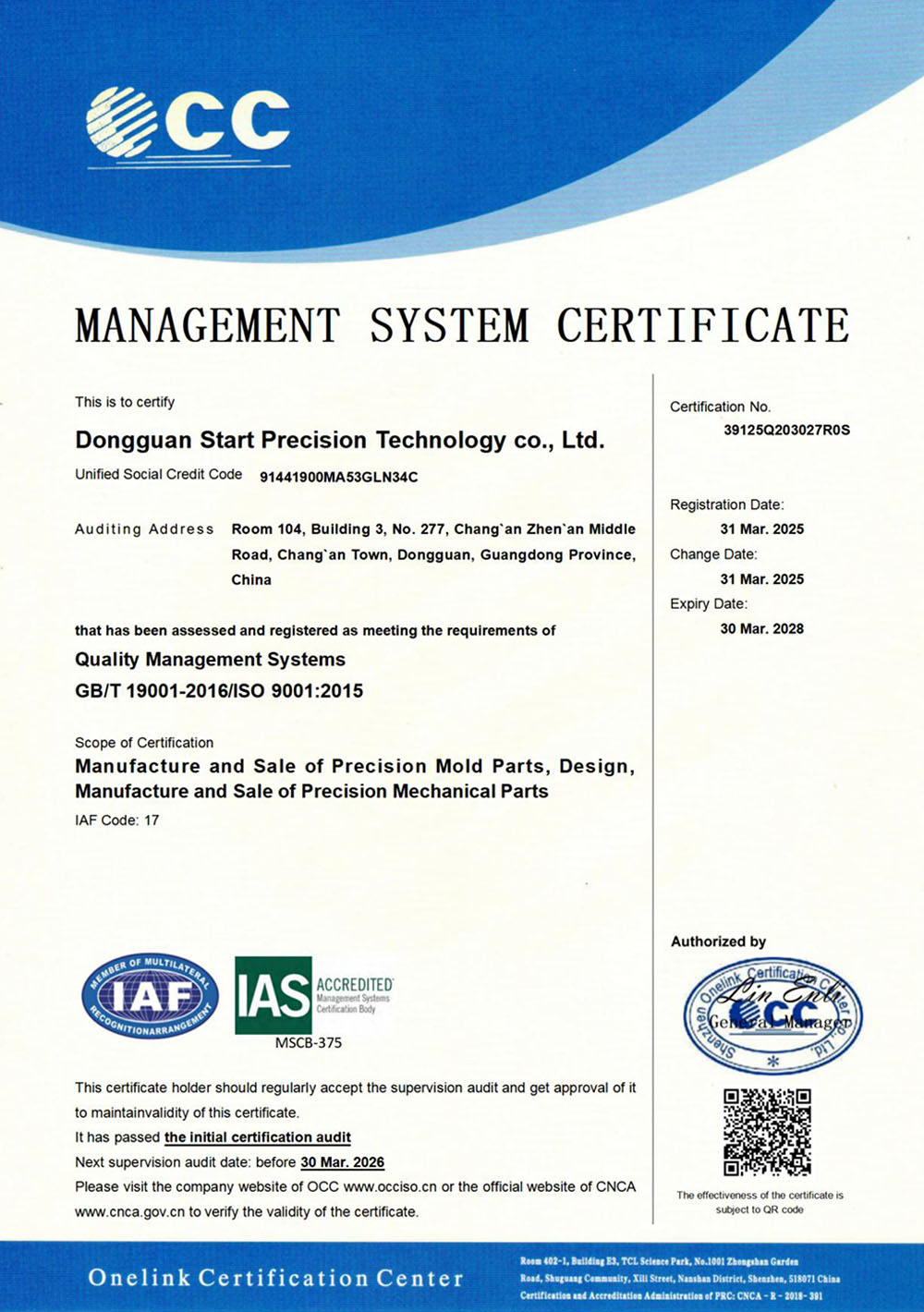
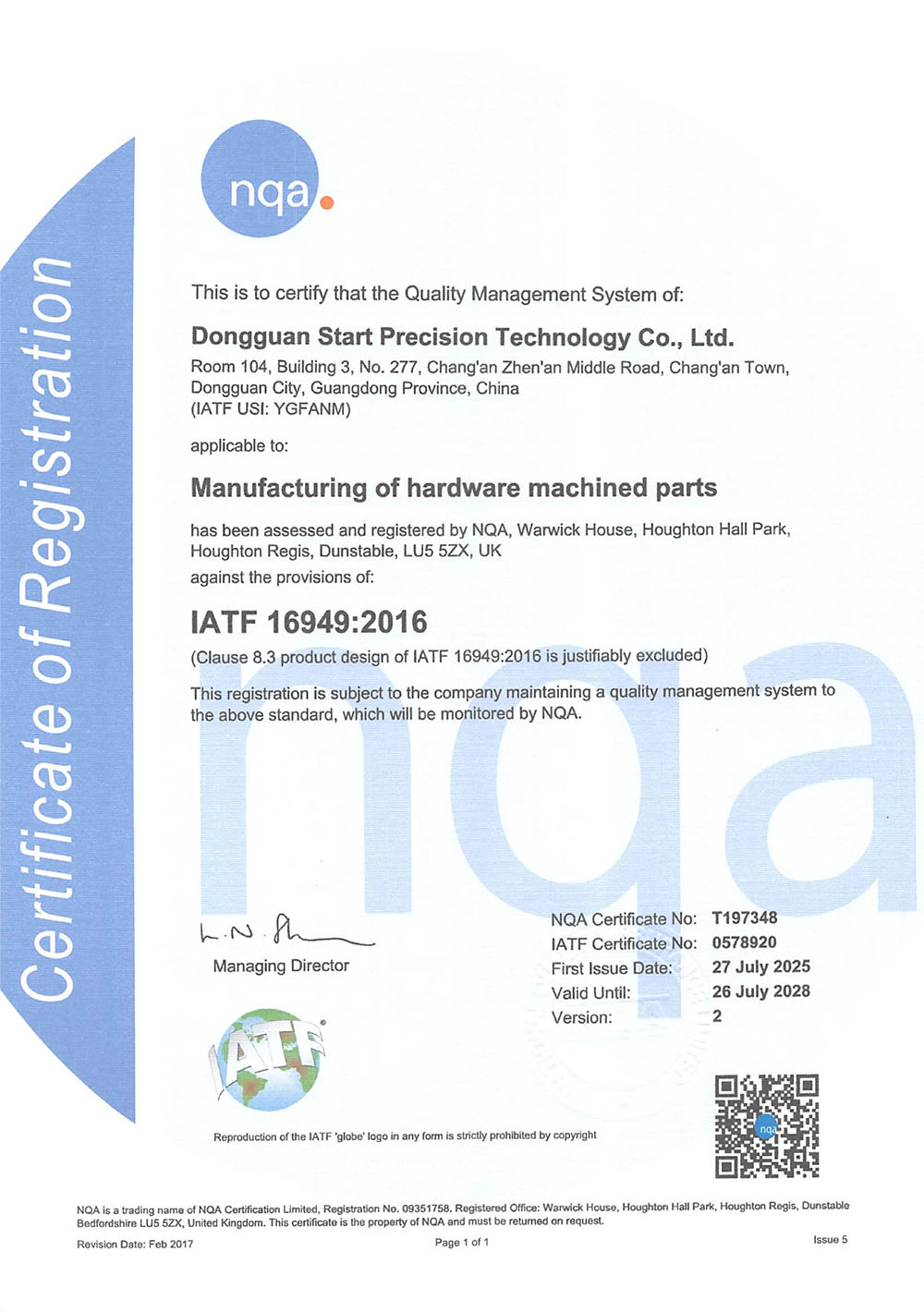
Quality consistency is non‑negotiable. Look for partners with ISO 9001:2015 or industry‑specific standards like AS9100D (aerospace) or IATF 16949 (automotive). These certifications ensure documented processes and regular audits. Ask for:
● First article inspection (FAI) reports from past similar projects
● Statistical process control (SPC) data
● Defect rate and on‑time delivery metrics (aim for >98%)
3. Assess Communication and Project Management
A technically perfect shop can still fail due to poor communication. Before signing anything, test their responsiveness:
● Do they answer technical queries within 24 hours?
● Do they provide DFM (Design for Manufacturing) feedback to reduce costs?
● Will you have a single point of contact (project manager)?
Shops that proactively suggest design improvements usually deliver better results.
4. Compare Lead Times and Production Flexibility
Understand their typical turnaround for prototypes (often 5‑10 business days) versus production runs (2‑6 weeks). Ask specific questions:
● How do they handle rush orders?
● What is their policy on material sourcing delays?
● Can they scale from 10 parts to 10,000 without requoting?
A transparent partner provides a written lead time commitment with buffer for unexpected issues.
5. Evaluate Cost Structure and Value‑Added Services
Cheapest hourly rate rarely equals lowest total cost. Request an itemized quote that includes:
● Setup and programming fees
● Tooling and fixture costs
● Inspection and packaging
● Shipping and handling
Compare not only price but also what’s included. Some partners offer free DFM analysis or stock material consignment. Refer to- SME guide on machining cost drivers.
6. Visit the Shop (or Request a Virtual Tour)
Whenever possible, visit the facility to observe housekeeping, machine maintenance, and worker safety. If distance is an issue, request a live video walkthrough. Red flags include:
● Excessive clutter or oil leaks
● Outdated machines without regular calibration stickers
● Reluctance to show quality lab or metrology equipment
A clean, organized shop often reflects disciplined processes.
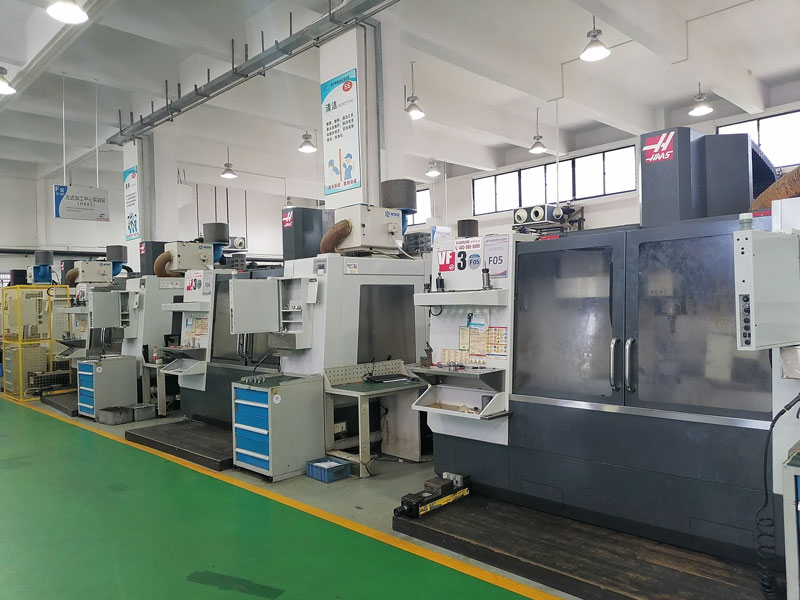
Well‑maintained CNC workshop with safety signage
Final Decision Matrix
Create a simple scorecard for your top 3 candidates. Weight each factor according to your project priority:
● Technical fit (40%)
● Quality history (30%)
● Communication & speed (20%)
● Cost competitiveness (10%)
Choose the partner that balances reliability and value, not the absolute lowest bid. A strong machining partnership reduces engineering rework, accelerates time‑to‑market, and protects your brand reputation.
Submit your project specs for a free quote.
Add: Building 3No.277 Zhen'an Middle Road, Chang'an Town,Dongguan,Guangdong, China
Tel:+86-769-82855591
Copyright © 2019 All Rights Reserved Dongguan Start Precision Technology Co., Ltd. Tel: +86-769-82855591
Add: No. 277 Zhen'an Middle Road, Chang'an Town, Dongguan, Guangdong, China



 中文版
中文版 English