Aluminum CNC Turning Parts for Automotive Cost Savings
Date:2026-08-10Article editor:Starting Point PrecisionViews:172In the fiercely competitive automotive industry, every cent counts. While material costs and production efficiency have always been scrutinized, a fundamental shift is occurring in how manufacturers approach precision machining. The secret to significant and sustainable cost reduction is not found in a single technique, but in a holistic strategy centered on Aluminum CNC Turning Parts. By optimizing material usage, reducing cycle times, and ensuring process stability, manufacturers can achieve remarkable savings without compromising the stringent quality standards of the automotive sector.

Our approach to cost reduction is built on three interconnected pillars, leveraging the unique properties of aluminum and the advanced capabilities of modern CNC technology.
Aluminum is lightweight and strong, but its cost has been volatile. Therefore, maximizing the yield from every bar of stock is paramount. We achieve this through:
● Precise Bar Feed Management: Utilizing servo-controlled bar feeders to minimize remnant ends, often reducing waste from a standard 100mm to under 30mm.
● Near-Net Shape Machining: Employing advanced CAM software to program toolpaths that leave minimal stock for finishing, reducing the volume of material turned into chips.
● Chip Recycling Programs: Implementing closed-loop recycling systems for aluminum chips, which are then repurposed, recouping a portion of the raw material cost.For reference on aluminum recycling standards, see The Aluminum Association's recycling guidelines.
Time is money. Our investment in advanced CNC turning machining centers allows for a revolutionary approach to production.
● Simultaneous Machining: Operations like turning, drilling, and milling are performed concurrently on different spindles, dramatically cutting the total process time.
● Live Tooling Integration: Complete complex parts in a single setup, eliminating secondary operations and the associated handling time.
● High-Speed Machining Strategies: Utilizing optimized toolpaths and high-feed carbide inserts to aggressively remove material while maintaining surface finish.
Cost savings from efficiency gains are worthless if part quality is inconsistent. Our focus on stability ensures that savings are realized part after part.
● Automated Tool Wear Compensation: In-process probes automatically adjust tool offsets to counteract wear, ensuring critical dimensions remain within tolerance.
● Stringent Process Control: Implementing SPC (Statistical Process Control) to monitor the machining process in real-time, allowing for proactive adjustments.
● Robust Workholding Solutions: Utilizing hydraulic chucks and custom fixturing to ensure parts are held rigidly, eliminating vibration and improving surface finish.
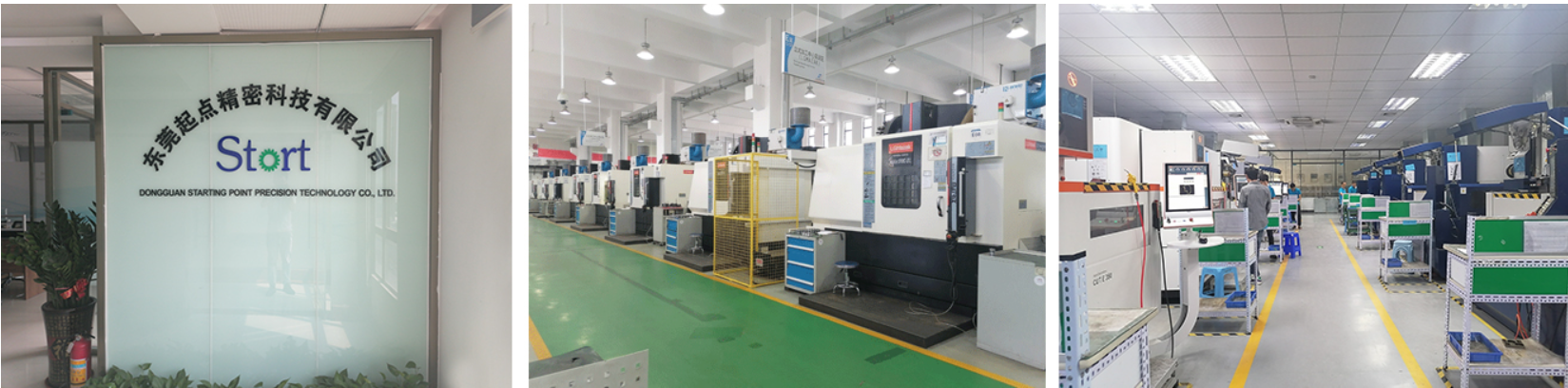
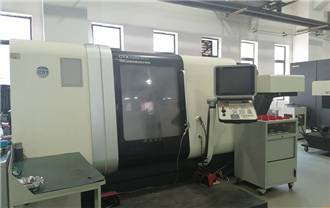
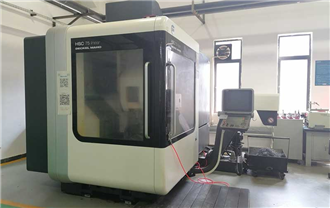
To achieve this level of precision and efficiency, our workshop is equipped with a range of high-end CNC turning centers. Below is a snapshot of our key equipment and their critical parameters, which we regularly use for Aluminum CNC Turning Parts.
| Equipment Name | Brand Model | Key Feature | Max Turning Diameter (mm) | Max Turning Length (mm) | Spindle Speed (rpm) |
| CNC turning machining center | Germany DMG CTX beta 800 | High-precision turning with milling capability | 520 | 800 | 5,000 |
| CNC turning machining center | Japan TAKAZAWA NEX-108 | High-rigidity turning for heavy-duty cuts | 400 | 650 | 4,200 |
| CNC turning machining center | China CY CK6136 | Economic turning for secondary operations | 360 | 750 | 2,500 |
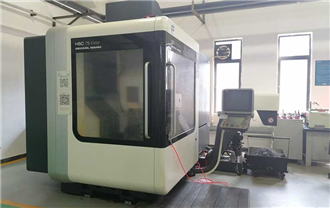
Our diverse equipment portfolio also includes 5-axis and vertical machining centers from Germany DMG, Japan Mazak, and the United States HAAS, providing integrated capabilities for complex automotive components. For a complete list of our capabilities, please refer to the Precision equipment list on our precision machining page.
The Process: From Bar to Finished Automotive Component
Our manufacturing process is meticulously designed for efficiency and quality control.

Our commitment to quality is underscored by our certifications and the testimonials from our global clientele. We adhere to strict international standards, ensuring that every part we produce is reliable and safe.
Case Study: Aluminum Connecting Bracket for Automotive Suspension System
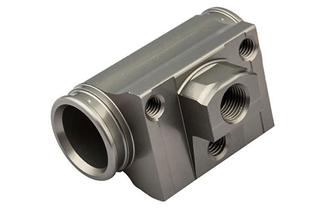
The Challenge: A tier-1 automotive supplier required a high-volume production run of a complex aluminum connecting bracket used in a new electric vehicle suspension module. The part featured multiple threaded holes, a contoured profile, and tight tolerances on critical mounting surfaces (±0.01 mm). Their existing process on conventional single-spindle lathes achieved a cycle time of 185 seconds per part with a material utilization rate of only 74%, leading to excessive scrap costs and prolonged lead times.
Our Solution: We transferred production to our TAKAZAWA NEX-108 turning centers, which offer high rigidity and live tooling capability. By programming synchronized turning and milling operations, we completed all features in a single clamping. Furthermore, we optimized the bar feed length using servo-controlled feeders, reducing remnant waste significantly. Advanced CAM simulation helped refine toolpaths to minimize idle movements and apply high-feed machining strategies.
The Result: The cycle time per bracket was slashed to 38 seconds – a reduction of nearly 80%. Material utilization jumped to 95%, thanks to precise feed control and near-net-shape roughing. The overall cost-per-part dropped by 42%, while the defect rate remained below 0.08% across a production run of 150,000 pieces. The customer also benefited from a 30% reduction in delivery time, enabling just-in-sequence supply to their assembly line. This case clearly demonstrates how optimized Aluminum CNC Turning Parts can deliver tangible competitive advantages.
Optimizing the production of Aluminum CNC Turning Parts is a proven strategy for significant cost savings in the automotive industry. By focusing on material utilization, leveraging advanced CNC turning centers to shorten cycle times, and ensuring robust process stability, manufacturers can achieve a competitive edge. Our expertise at Start Precision is dedicated to helping you unlock these efficiencies without compromising on the quality and precision required for automotive applications.
Contact us today to discuss your manufacturing needs and discover how we can drive down your costs.
Q1: What is the typical cost-per-part reduction I can expect when switching to high-rigidity CNC turning centers like the TAKAZAWA NEX-108 for aluminum connecting brackets?
A: Based on our case study and similar projects, many automotive clients see a cost-per-part reduction of 35% to 45%, primarily due to drastic cycle time cuts and improved material yield.
Q2: Can you handle the complete machining of an aluminum connecting bracket, including cross-drilling and thread tapping, in one setup?
A: Yes. Our DMG CTX beta 800 and TAKAZAWA NEX-108 are equipped with live tooling and C-axis capability, allowing us to perform turning, milling, drilling, and tapping in a single clamping, which enhances accuracy and reduces handling time.
Q3: What aluminum alloy do you recommend for high-strength automotive structural parts like connecting brackets?
A: For most automotive structural brackets, we recommend 7075-T6 for its superior strength-to-weight ratio, or 6061-T6 if cost and weldability are more critical. Our engineering team can advise based on your specific load requirements.
Q4: How do you maintain consistency in high-volume production of such brackets?
A: We employ in-process probing for automatic tool wear compensation, real-time SPC monitoring, and periodic CMM audits. Our TAKAZAWA NEX-108 machines are calibrated daily to ensure repeatability within ±0.01 mm.
Add: Building 3No.277 Zhen'an Middle Road, Chang'an Town,Dongguan,Guangdong, China
Tel:+86-769-82855591
Copyright © 2019 All Rights Reserved Dongguan Start Precision Technology Co., Ltd. Tel: +86-769-82855591
Add: No. 277 Zhen'an Middle Road, Chang'an Town, Dongguan, Guangdong, China



 中文版
中文版 English