CNC Machined Copper Parts with Corrosion Resistance
Date:2026-10-22Article editor:Starting Point PrecisionViews:22CNC Machined Copper Parts are widely used in electrical systems, thermal management equipment, fluid connections, and precision assemblies. Although copper offers good electrical and thermal conductivity, its surface can oxidize or react with moisture, salts, and certain chemicals. Selecting the right material and surface treatment helps protect functional surfaces while preserving critical dimensions.
For components exposed to humid, coastal, or chemically aggressive environments, corrosion protection should be considered during the design and machining stages rather than added as an afterthought.
1. Select the Right Copper Material
Corrosion performance depends on the copper grade, surrounding environment, and operating conditions.
● Pure copper: Suitable for electrical conductors and thermal components where conductivity is a priority.
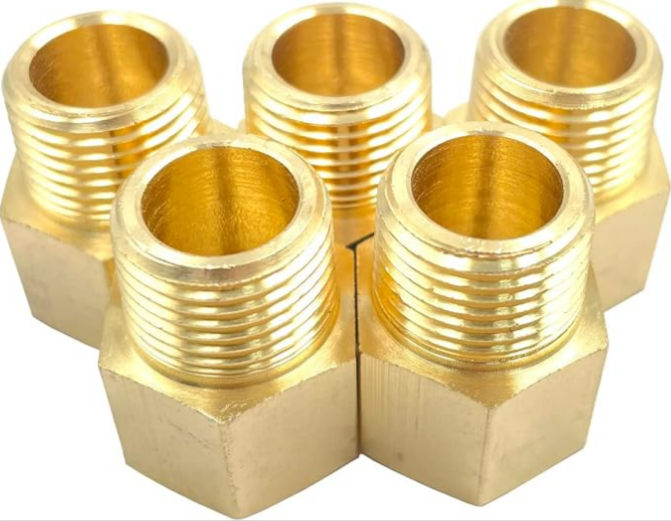
● Brass: Offers useful machinability and is commonly selected for fittings, terminals, and precision connectors.
● Copper-nickel alloys: Worth considering for certain marine and chloride-containing environments.
● Aluminum bronze: Suitable for selected components requiring a combination of strength and resistance to specific corrosive conditions.
Material selection should reflect the actual exposure conditions, not simply the copper content.
2. CNC Machining and Surface Preparation
A reliable corrosion-resistant component starts with controlled machining. Tool condition, cutting parameters, workholding, and burr removal all influence surface quality and dimensional consistency.
A typical manufacturing workflow includes:
1. Review drawings, tolerances, and environmental requirements.
2. Select the copper grade and confirm the raw material.
3. Perform CNC turning, milling, drilling, or threading.
4. Remove burrs and inspect critical edges, holes, and sealing features.
5. Clean the component to remove machining residues and contaminants.
6. Apply the specified surface treatment and verify the finished part.
Sharp edges, trapped machining fluids, and contaminated surfaces can undermine subsequent protection. Thread dimensions, contact areas, and sealing grooves should also be reviewed before coating specifications are finalized.
3. Surface Treatments for Corrosion Protection
Different treatments serve different purposes. The best option depends on conductivity, appearance, wear, assembly requirements, and environmental exposure.
● Chemical passivation or conversion treatments: Certain copper-compatible processes can reduce surface reactivity or improve protection. The treatment must be selected specifically for the alloy and application; stainless-steel passivation procedures are not automatically suitable for copper.
● Tin plating: Commonly considered for electrical terminals and connectors where solderability and contact performance matter.
● Nickel plating: Can provide a protective barrier and improve surface durability when properly specified and applied.
● Silver plating: Useful for selected electrical contacts requiring high conductivity, although tarnishing and environmental compatibility still need consideration.
● Organic protective coatings: May help isolate copper from moisture and contaminants when electrical contact or heat-transfer requirements permit them.
Coating thickness, coverage, adhesion, and compatibility with the base material should be defined before production. Masking may be necessary to preserve bare electrical contacts, precision fits, or grounding surfaces.
4. Salt Spray Testing and Quality Control
Salt spray testing can help compare corrosion behavior under controlled conditions. ASTM B117 describes the operation of salt spray (fog) testing equipment: ASTM B117 Standard.
However, passing a salt spray test does not guarantee a specific service life in every real-world environment. Test duration, acceptance criteria, specimen preparation, and inspection methods must be agreed upon in advance.
Recommended inspection points include:
● Critical dimensions before and after surface treatment.
● Coating thickness and surface coverage.
● Visible discoloration, blistering, peeling, or corrosion products.
● Electrical contact resistance or solderability, where applicable.
● Salt spray performance against the customer's defined acceptance criteria.
5. Example: Corrosion-Resistant Copper Connector
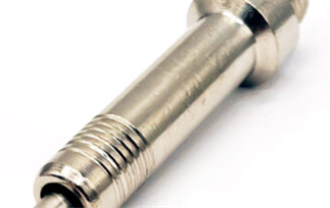
Consider a precision copper connector intended for a humid electrical enclosure. The design may require accurate threads, a clean contact face, and a protective finish.
The manufacturer can machine the connector to drawing, remove burrs, clean the surface, and apply a specified plating system. Critical dimensions and coating coverage are then checked, followed by agreed corrosion testing when required. The finish should protect exposed surfaces without compromising electrical contact or assembly fit.
Work with a Precision Machining Partner
For custom copper components, coordinate material selection, machining tolerances, surface finishing, and inspection requirements from the beginning. Explore Start Precision for precision manufacturing services and discuss the specifications needed for your application.
Contact us to discuss your manufacturing needs.
Frequently Asked Questions
Q1: Can copper parts be passivated to prevent corrosion?
Certain copper-compatible chemical treatments can improve surface protection. The process must be selected according to the alloy and intended environment.
Q2: Which plating is suitable for corrosion-resistant copper components?
Tin, nickel, and silver plating may suit different applications. Selection depends on conductivity, solderability, coating durability, and exposure conditions.
Q3: Does salt spray testing predict actual service life?
No. Salt spray testing provides comparative information under controlled conditions, but real-world performance also depends on temperature, humidity, pollutants, and operating conditions.
Q4: Can plating affect CNC machining tolerances?
Yes. Coating thickness can change finished dimensions, thread fit, and contact geometry. Critical dimensions should account for the specified finish.

Add: Building 3No.277 Zhen'an Middle Road, Chang'an Town,Dongguan,Guangdong, China
Tel:+86-769-82855591
Copyright © 2019 All Rights Reserved Dongguan Start Precision Technology Co., Ltd. Tel: +86-769-82855591
Add: No. 277 Zhen'an Middle Road, Chang'an Town, Dongguan, Guangdong, China



 中文版
 English