Surface Finish of CNC Turned Parts: Main Factors Influencing in Precision Turning
Date:2026-05-14Article editor:Starting Point PrecisionViews:330Achieving a superior surface finish on CNC turned parts is a critical requirement in industries like aerospace, medical, and automotive. A smooth surface not only enhances aesthetic appeal but also improves fatigue resistance, wear properties, and sealing performance. In precision turning, understanding the main influencing factors is key to consistently producing high-quality components.
1. Cutting Parameters (Speed, Feed, and Depth of Cut)
The selection of cutting parameters directly impacts surface integrity.
◆ Cutting Speed (Vc): Higher cutting speeds generally reduce built-up edge (BUE) formation, leading to a finer finish. However, excessive speed can cause excessive tool wear and heat, degrading the surface.
◆ Feed Rate (f): This is the most influential parameter. A lower feed rate reduces the theoretical roughness (Rt = f² / (8×Re)). For a mirror-like finish, a very fine feed (0.02–0.05 mm/rev) is essential.
◆ Depth of Cut: A stable, consistent depth prevents chatter. Roughing passes use deeper cuts, while finishing passes use very shallow depths (0.1–0.3 mm) to minimize deflection and ensure a smooth result.
The cutting tool’s shape and composition are crucial.
◆ Nose Radius (Re): A larger nose radius distributes cutting forces over a wider area, producing a smoother surface. For finishing, a radius of 0.4 mm to 0.8 mm is common.
◆ Rake Angle: Positive rake angles reduce cutting forces and friction, improving surface quality on ductile materials.
◆ Tool Material: Polycrystalline Diamond (PCD) or CBN (Cubic Boron Nitride) inserts are excellent for non-ferrous and hardened steels, respectively, as they maintain sharp edges and resist wear. For more technical details on tool selection, refer to external guide on cutting tool materials.
The machinability of the material being turned affects the final finish.
◆ Ductility: Soft, gummy materials (like low-carbon steel or pure aluminum) tend to form a BUE, tearing the surface. Using sharp tools and coolant is necessary.
◆ Hardness: Hardened materials (above 45 HRC) can produce excellent finishes through “wiper” effects but require rigid setups and appropriate tooling.
◆ Microstructure: Inhomogeneous materials (e.g., cast iron with graphite nodules) can create micro-voids, making a perfectly smooth finish challenging. Learn more about material influence from resource on material machinability.
4. Machine Tool and Workpiece Rigidity
The stability of the entire system—lathe, tool holder, and workpiece—is a hidden factor.
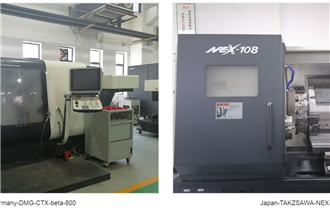
◆ Spindle and Guideways: High-precision CNC lathes with preloaded ball screws and hydrostatic guideways reduce vibration.
◆ Workpiece Fixturing: Long, slender parts are prone to deflection, causing chatter and poor finish. Solutions include using a tailstock, steady rest, or specialized collets.
◆ Tool Overhang: Minimizing tool overhang increases stiffness. The rule of thumb is to keep the overhang less than 1.5 times the tool shank height.
Proper lubrication and cooling are vital for a good surface finish. Coolant reduces friction, lowers temperature, and washes away chips that could otherwise scratch the finished surface. High-pressure coolant (300–1000 PSI) is particularly effective in breaking chips and improving finish in hard-to-machine alloys.
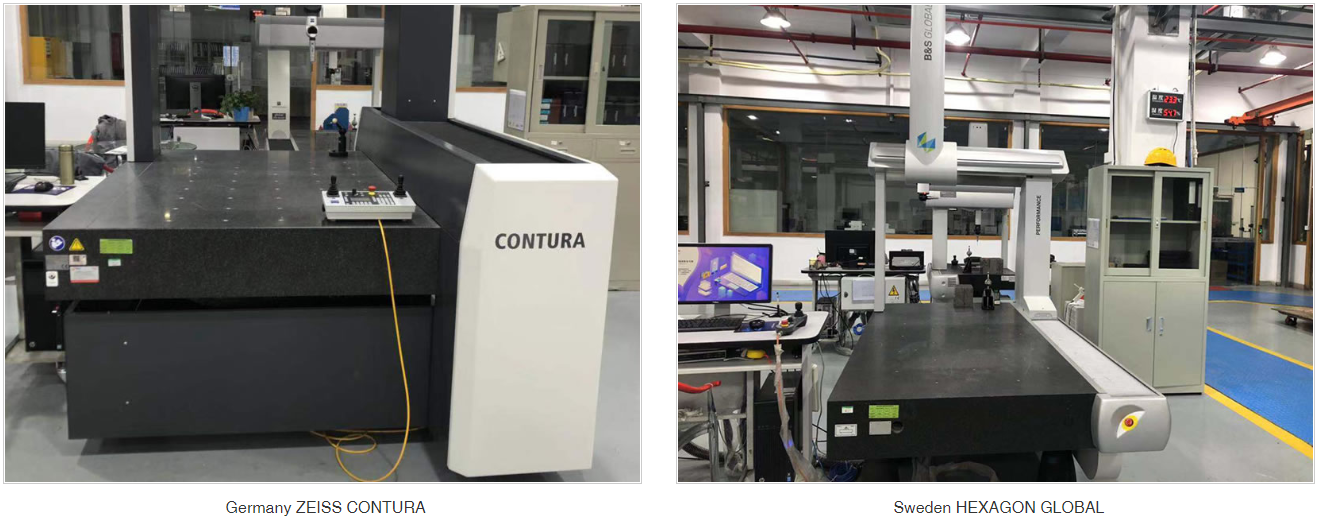
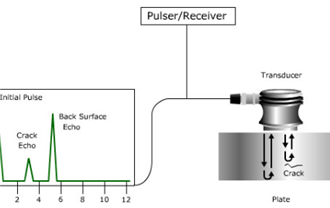
Achieving a fine surface finish is only half the battle; verifying it is equally important. Surface roughness testers (profilometers) and optical comparators are used to measure Ra (average roughness) and Rz (peak-to-valley height). For instance, Start Precision employs world-renowned inspection equipment to ensure their CNC turned parts meet tolerances within ±0.002mm and surface requirements.
Mastering surface finish in precision turning requires a systematic approach. By optimizing cutting parameters, tool geometry, rigidity, and coolant application, manufacturers can consistently produce high-quality surfaces. For businesses seeking to outsource such critical components, working with a trusted partner that understands these variables is essential.
For manufacturers seeking excellence in this field, partnering with an experienced shop like Dongguan Start Point Precision Technology Co., Ltd. is a strategic advantage. You can explore their capabilities at their official website.
Add: Building 3No.277 Zhen'an Middle Road, Chang'an Town,Dongguan,Guangdong, China
Tel:+86-769-82855591
Copyright © 2019 All Rights Reserved Dongguan Start Precision Technology Co., Ltd. Tel: +86-769-82855591
Add: No. 277 Zhen'an Middle Road, Chang'an Town, Dongguan, Guangdong, China



 中文版
中文版 English