
Custom Robotic Components with Anodized Finish
Date:2026-11-27Article editor:Starting Point PrecisionViews:49Custom Robotic Components with Anodized Finish require more than a protective surface layer. Every robotic part must meet specific requirements for dimensional accuracy, surface durability, appearance, and operating conditions. From actuator housings to mounting brackets and structural connectors, the right combination of CNC machining and anodizing helps manufacturers produce components that are both functional and visually consistent.
1. Matching Anodizing Specifications to Robotic Applications
Different robotic components experience different mechanical stresses. A joint housing may require additional wear protection, while an external enclosure may prioritize corrosion resistance and appearance.
Before production, we consider three important factors:
● Component function and operating environment.
● Aluminum alloy and original surface condition.
● Required coating thickness, color, and dimensional tolerance.
This evaluation helps establish suitable machining and finishing requirements before manufacturing begins.
2. How We Control Anodizing Thickness
Anodizing changes the aluminum surface by forming an aluminum oxide layer. However, coating growth also affects the final dimensions of a component.
For precision robotic assemblies, even small dimensional changes can influence bearing installation, shaft alignment, and component clearance.
Our manufacturing planning focuses on:
1. Reviewing critical dimensions on customer drawings.
2. Identifying holes, threads, and mating surfaces that may require masking.
3. Allowing for coating growth during the machining stage.
4. Confirming coating thickness requirements with the finishing specification.
5. Checking critical dimensions after surface treatment.
| Finish Type | General Thickness Reference | Typical Application |
| Type II anodizing | 5–25 μm | Robotic covers and brackets |
| Type III hard anodizing | 13–100 μm | Wear-resistant mechanical parts |
These ranges are general references. Actual specifications depend on alloy, application, and customer requirements.
3. Custom Colors for Robotic Components
Color is not simply a decorative choice in robotic manufacturing. It can help distinguish assemblies, identify functional sections, and maintain a consistent product identity.
Common anodized finishes include:
● Black: Suitable for actuator housings, frames, and equipment enclosures.
● Natural Silver: Maintains a clean metallic appearance for precision-machined parts.
● Red: Provides visual distinction for selected mechanical components.
● Blue: Useful for customized equipment designs and component identification.
● Gold: Offers an alternative finish for branded or specialized assemblies.
Our color planning takes aluminum alloy, surface preparation, dye selection, and sealing conditions into consideration. We recommend approving a physical sample before production batches to reduce color variation between orders
4. Improving Corrosion Resistance and Surface Durability
Robotic equipment may be installed in manufacturing plants, warehouses, laboratories, and outdoor automation systems. Moisture, handling, and environmental exposure can gradually affect untreated aluminum surfaces.
We consider several process factors when specifying anodized finishes:
● Consistent pretreatment to establish a suitable surface.
● Appropriate oxide thickness for the intended application.
● Proper sealing to improve corrosion protection.
● Surface inspection to identify discoloration, scratches, and coating defects.
For projects requiring formal corrosion evaluation, testing requirements can be agreed upon in advance. ASTM B117 is one recognized reference for salt spray testing.
5. From CNC Machining to Finished Robotic Parts
A reliable anodized component starts with accurate machining. Our manufacturing workflow connects part geometry, machining methods, and finishing requirements.
| Manufacturing Stage | Our Approach |
| Drawing review | Confirm material, tolerances, and functional requirements |
| CNC machining | Produce required profiles, holes, and precision features |
| Surface preparation | Prepare machined surfaces for finishing |
| Anodizing coordination | Specify coating type, thickness, and color |
| Final inspection | Review dimensions and visible surface quality |
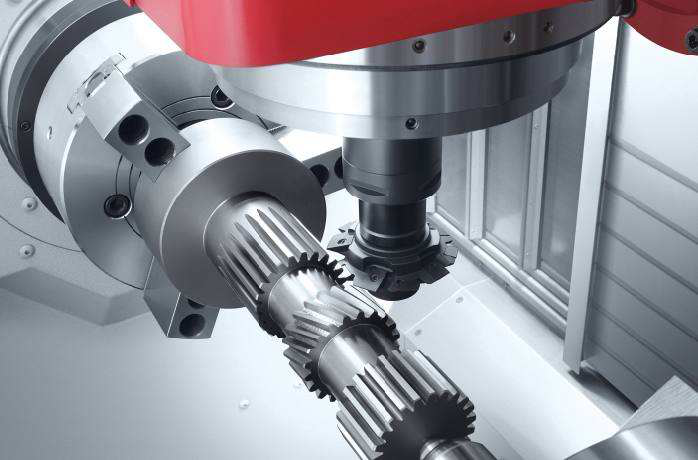
Our five-axis precision machining capabilities support complex geometries and customized metal components.
Available equipment includes the Germany DMG HSC 75 Linear five-axis machining center, Germany DMG DMC 835V vertical machining centers, Japan Mazak VCN-510C machines, and HAAS EC400 horizontal machining centers.
Explore our precision manufacturing equipment to learn more.
6. Custom Manufacturing for Different Robotic Designs
We understand that robotic projects rarely use identical component specifications. Part dimensions, material selection, machining complexity, and surface treatment requirements can vary significantly.
Our approach is based on customer drawings, 3D models, and technical specifications. By reviewing machining and finishing requirements together, we aim to reduce avoidable dimensional conflicts and improve consistency during production.
Visit Start Precision to learn more about our manufacturing services.
Conclusion
Custom robotic components with anodized finishes require coordinated control of machining accuracy, coating thickness, color consistency, and corrosion protection. Careful planning at each manufacturing stage helps ensure that finished components meet their intended mechanical and visual requirements.
Contact us to discuss your manufacturing requirements. Send us your drawings or project specifications to explore suitable precision machining and finishing solutions.
Frequently Asked Questions
Q1: Which aluminum alloys are commonly used for anodized robotic parts?
6061 and 6063 are common choices. The appropriate alloy depends on strength, machining performance, and surface appearance requirements.
Q2: Can anodized robotic parts have customized colors?
Yes. Black, silver, red, blue, and gold are common options. Final color consistency should be confirmed using approved samples.
Q3: Does anodizing change the dimensions of CNC parts?
Yes. The oxide layer changes the final dimensions. Critical holes, threads, and mating surfaces should be considered during machining and finishing planning.
Q4: When should hard anodizing be selected?
Type III hard anodizing is worth considering for components exposed to repeated friction or demanding wear conditions.
Q5: Can you manufacture robotic components from custom drawings?
Yes. Custom manufacturing projects can be evaluated using engineering drawings, 3D files, material requirements, and specified tolerances.





Add: Building 3No.277 Zhen'an Middle Road, Chang'an Town,Dongguan,Guangdong, China
Tel:+86-769-82855591
Copyright © 2019 All Rights Reserved Dongguan Start Precision Technology Co., Ltd. Tel: +86-769-82855591
Add: No. 277 Zhen'an Middle Road, Chang'an Town, Dongguan, Guangdong, China



 中文版
 English
