
Brass CNC Machining Parts for Pins
Date:2026-11-27Article editor:Starting Point PrecisionViews:47Introduction
Brass CNC machining parts are widely used in precision pin manufacturing because brass combines good machinability, electrical conductivity, corrosion resistance, and dimensional stability. From electrical connector pins and terminal pins to charging contacts and precision locating pins, CNC-machined brass components provide a practical solution for applications requiring reliable connections and consistent assembly performance.
Choosing the right brass alloy, machining process, and surface finish is essential to achieving the required pin performance.
1. Why Choose Brass for CNC Machined Pins?
Brass is a copper-zinc alloy with a useful combination of mechanical and electrical properties. Its machinability makes it particularly suitable for manufacturing small, complex pins with precise dimensions.
Key advantages include:
● Good electrical conductivity: Suitable for connector pins, terminal pins, grounding contacts, and electrical interfaces where moderate conductivity is sufficient.
● Excellent machinability: Supports accurate turning, drilling, threading, grooving, and milling.
● Reliable insertion and removal: Properly designed brass pins offer good dimensional consistency and smooth mating surfaces for repeated connections.
● Corrosion resistance: Provides good resistance to normal atmospheric corrosion.
● Surface finishing compatibility: Brass can be polished and plated with nickel, tin, silver, or gold according to application requirements.
2. What Types of Pins Can Brass Be Used For?
Brass CNC machining parts are suitable for various industrial and electronic pin applications.
| Pin Type | Main Function | Recommended Characteristics |
| Electrical connector pins | Conduct electrical signals or power | Conductivity and dimensional accuracy |
| Terminal pins | Connect wires and electrical circuits | Stable contact surfaces |
| Charging pins | Provide charging connections | Conductivity and wear resistance |
| Socket pins | Establish plug-and-socket connections | Accurate diameter and smooth finish |
| Spring-loaded contact pins | Support electrical contact assemblies | Suitable mating geometry and contact design |
| Locating pins | Position and align mechanical components | Dimensional stability and wear resistance |
| Threaded pins | Provide mechanical fastening | Accurate threads and strength |
Brass is especially suitable for connector bodies, rigid contact pins, and machined terminals. For highly elastic spring contacts or demanding press-fit applications, the alloy and design should be evaluated carefully.
3. Electrical Conductivity: Selecting the Right Brass Alloy
Electrical conductivity is one of the most important considerations when manufacturing brass pins.
Different brass grades provide different conductivity levels. Generally, increasing zinc content reduces electrical conductivity, while certain free-machining grades offer excellent production efficiency.
| Material | Typical Application | Main Consideration |
| C26000 Brass | Electrical connectors and contact components | Good formability and moderate conductivity |
| C36000 Brass | Precision turned pins and terminals | Excellent machinability |
| CuZn30 | Electrical contact components | Balanced mechanical and electrical properties |
| CuZn39Pb3 | Machined plug pins and switch terminals | High machinability; check regulatory requirements |
Actual performance depends on alloy composition, material condition, and manufacturing specifications.
For more information, refer to the Copper Development Association's brass conductivity guide.
4. Insertion and Removal Performance
Many brass pins are designed for repeated insertion and removal. Their performance depends not only on material selection but also on machining accuracy and surface quality.
Important manufacturing considerations include:
● Diameter tolerance: Ensures proper mating with sockets and connector housings.
● Surface roughness: Reduces unnecessary friction during insertion and removal.
● Chamfer design: Helps guide pins into mating holes and prevents edge damage.
● Concentricity: Maintains alignment between different pin sections.
● Wear resistance: Helps maintain contact geometry throughout the intended service life.
For applications involving frequent connection cycles, engineers should evaluate contact force, mating materials, plating thickness, and cycle-life requirements together.
5. Surface Plating for Brass Pins
Surface plating improves the functional and environmental performance of brass CNC machined pins.
| Plating Type | Main Benefits | Typical Applications |
| Nickel plating | Corrosion resistance and surface hardness | Industrial connector pins |
| Tin plating | Solderability and oxidation protection | Electrical terminals |
| Silver plating | Excellent electrical conductivity | Electrical contacts |
| Gold plating | Stable contact performance and corrosion resistance | Precision electronic connectors |
Plating selection should consider electrical resistance, operating environment, mating frequency, thickness requirements, and budget.
For critical electrical applications, plating specifications and inspection standards should be established before production.
6. CNC Machining Capabilities and Quality Control
Precision machining is essential for producing brass pins with consistent dimensions and reliable assembly performance.
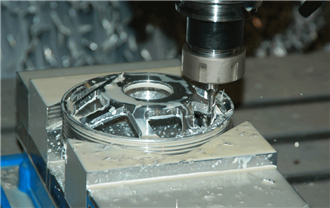
Depending on part geometry and production requirements, CNC turning is suitable for cylindrical pins, while CNC milling supports flats, slots, and complex features.
The manufacturing equipment listed on our precision equipment page includes:
● Germany DMG CTX beta 800 CNC turning machining center.
● Japan TAKZSAWA NEX-108 CNC turning machining center.
● Germany DMG DMC 835V vertical machining center.
● Japan LGMazak VCN-510C vertical machining center.
● United States HAAS VF3 vertical machining center.
Appropriate inspection procedures can cover pin diameter, length, concentricity, thread dimensions, surface finish, and plating thickness according to customer drawings.
7. Applications Across Different Industries
Brass precision pins are commonly considered for:
● Automotive electrical connectors and terminal systems.
● Consumer electronics and charging interfaces.
● Industrial control equipment and switchgear.
● Power distribution and electrical connection assemblies.
● Communication equipment and precision instruments.
The final material and manufacturing specification should always match the operating environment and functional requirements.
Conclusion
Brass CNC machining parts offer a versatile manufacturing solution for precision pins requiring good machinability, practical electrical conductivity, reliable mating dimensions, and flexible surface finishing options.
From connector pins and charging contacts to threaded terminals and locating pins, the right combination of brass alloy, CNC machining accuracy, and plating technology helps achieve dependable component performance.
Contact us to discuss your manufacturing requirements. Our team welcomes your drawings, material specifications, and production inquiries. Visit Start Precision to explore our precision machining capabilities and discuss your next project.
Frequently Asked Questions (FAQs)
Q1: Why is brass commonly used for CNC machined pins?
Brass offers good machinability, moderate electrical conductivity, corrosion resistance, and compatibility with various surface treatments.
Q2: Are brass pins suitable for electrical connectors?
Yes. Brass pins are commonly used in electrical connectors, terminals, and socket assemblies when their conductivity meets the application requirements.
Q3: Which brass grade is suitable for precision turned pins?
C36000 is a popular choice for precision turning because of its excellent machinability. Other grades may be more appropriate when conductivity, formability, or regulatory requirements take priority.
Q4: Can brass CNC pins be nickel or gold plated?
Yes. Nickel, gold, tin, and silver plating can be considered depending on electrical, mechanical, and environmental requirements.
Q5: Can brass pins support repeated insertion and removal?
Yes, provided that the alloy, dimensional tolerances, surface finish, contact design, and plating are properly selected for the required mating cycles.
Q6: What information is needed for a brass pin machining quotation?
Ideally, provide a 2D engineering drawing or 3D CAD file, brass grade, dimensions, tolerances, surface treatment, order quantity, and application requirements.





Add: Building 3No.277 Zhen'an Middle Road, Chang'an Town,Dongguan,Guangdong, China
Tel:+86-769-82855591
Copyright © 2019 All Rights Reserved Dongguan Start Precision Technology Co., Ltd. Tel: +86-769-82855591
Add: No. 277 Zhen'an Middle Road, Chang'an Town, Dongguan, Guangdong, China



 中文版
 English
