Green CNC Parts Machining Trends in Modern Manufacturing
Date:2026-05-08Article editor:Starting Point PrecisionViews:3471. Energy-Efficient CNC Machines
New CNC machines integrate regenerative drives and intelligent sleep modes that cut electricity consumption by up to 30%. Retrofitting existing equipment with high-efficiency spindle motors and servo drives further reduces energy waste. Learn more about energy-saving retrofit solutions – and for official data, check the U.S. Department of Energy’s advanced machining guide.
2. Minimum Quantity Lubrication (MQL) & Dry Machining
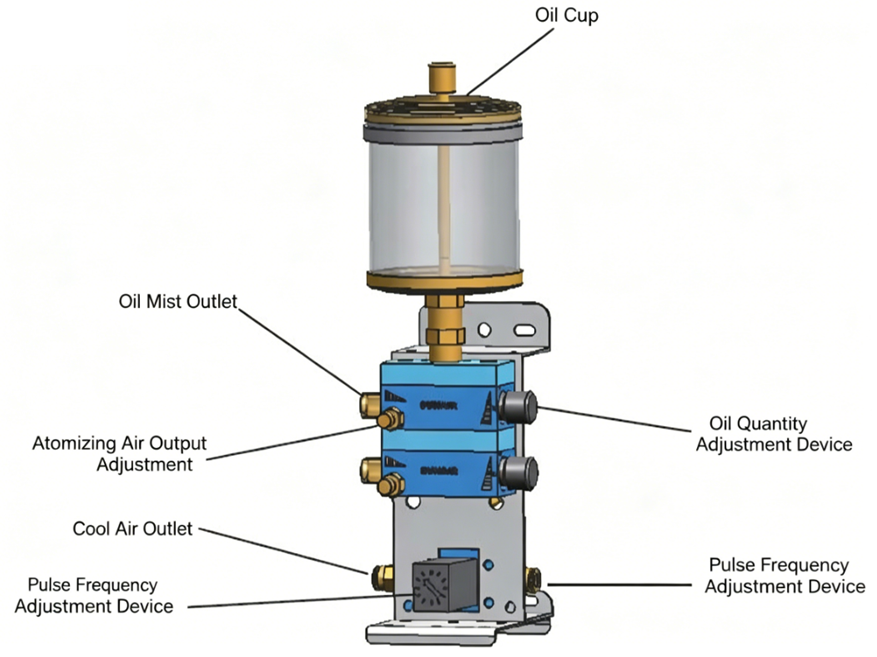
Traditional flood cooling uses large volumes of fluid that require disposal. MQL applies microscopic biodegradable lubricant droplets directly to the cutting edge, while dry machining eliminates coolant entirely for certain alloys. These methods reduce fluid waste, part cleaning, and worker exposure to chemicals. External research is available from MQL technology page. View the MQL nozzle system image for a closer look.
3. Closed-Loop Coolant Filtration & Bio-Based Fluids
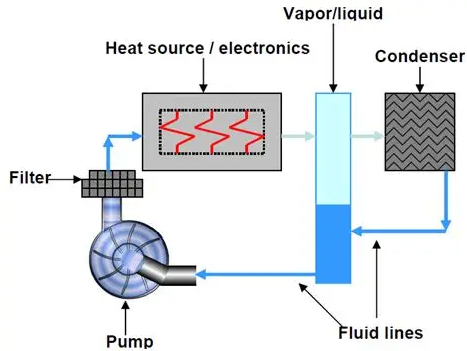
When coolant is necessary, closed-loop filtration systems extend fluid life by 300–500% through continuous cleaning. Combined with bio-based, non‑toxic cutting fluids, shops eliminate hazardous disposal and improve operator safety. See the closed‑loop filtration diagram.
4. Topology Optimization & Hybrid Additive-Subtractive Machining
Software for topology optimization removes excess material from part designs without sacrificing strength, drastically reducing scrap. Hybrid machines that combine 3D printing (near‑net shape) with CNC finishing further cut raw material waste by up to 70%. Industry standards are maintained by hybrid manufacturing committee.
5. AI-Driven Process Optimization
Artificial intelligence and IoT sensors monitor spindle loads, tool wear, and cycle times to autonomously adjust feed rates and speeds. This lowers energy per part, extends tool life, and reduces rework. Predictive maintenance avoids unplanned downtime that generates waste.
6. Renewable Energy & Carbon-Neutral Operations
Leading CNC job shops power equipment with solar, wind, or hydroelectricity combined with battery storage. Smart scheduling aligns heavy machining loads with peak renewable generation. Certifications like ISO 14001 and carbon offset programs are becoming competitive differentiators.
Conclusion
Green CNC parts machining is no longer a niche — it is a competitive necessity. By adopting energy-efficient drives, MQL, closed-loop fluids, topology optimization, AI controls, and renewable power, manufacturers reduce costs, comply with regulations, and attract eco-conscious clients. The future of precision manufacturing is decisively green.
Add: Building 3No.277 Zhen'an Middle Road, Chang'an Town,Dongguan,Guangdong, China
Tel:+86-769-82855591
Copyright © 2019 All Rights Reserved Dongguan Start Precision Technology Co., Ltd. Tel: +86-769-82855591
Add: No. 277 Zhen'an Middle Road, Chang'an Town, Dongguan, Guangdong, China



 中文版
中文版 English