Functionally Integrated CNC Machining Parts: Combine Multiple Features for Superior Design
Date:2026-02-22Article editor:Starting Point PrecisionViews:581In the world of modern manufacturing, efficiency is often a direct result of simplification. When it comes to component design, the shift toward Functionally Integrated CNC Machining Parts is revolutionizing how engineers approach product development. Instead of assembling a product from dozens of smaller brackets, housings, and connectors, manufacturers are now turning to CNC machining to create a single part that does the job of many.
What is Functional Integration in CNC Machining?
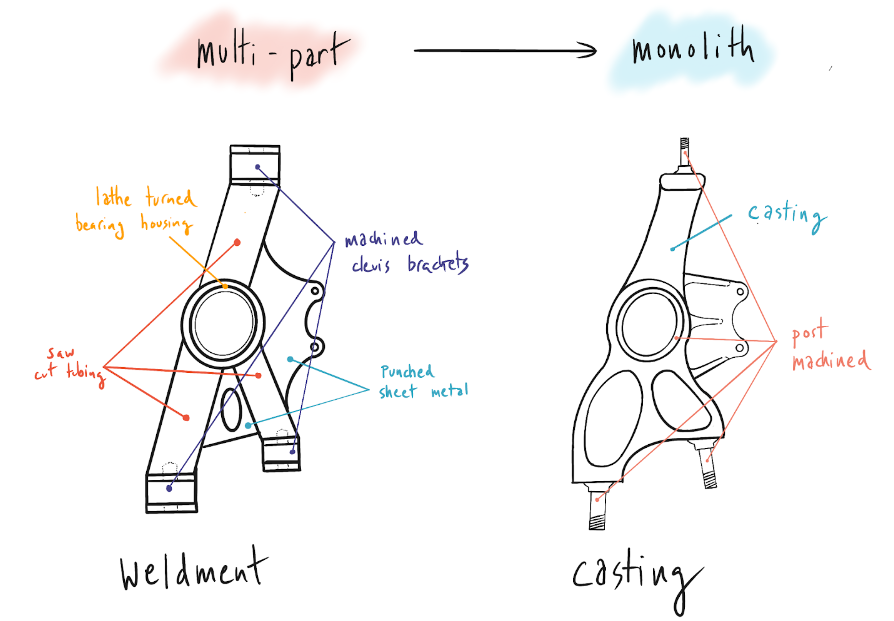
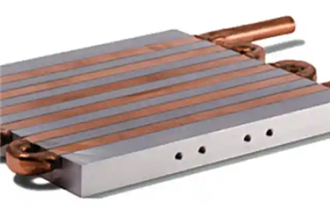
Functional integration refers to the process of designing a single component to perform multiple roles simultaneously. Traditionally, a mechanical assembly might consist of a base plate, several mounting brackets, and a separate heat sink. Through functional integration, these elements are merged into one machined part that acts as the structure, the thermal management system, and the mounting point all at once.
CNC machining is the ideal manufacturing process for this concept because it offers unmatched precision and geometric freedom. Unlike other methods that may have design constraints, CNC machining allows engineers to create complex 3D geometries from a solid block of material.
The Key Benefits of Integrated CNC Parts
1. Part Consolidation and Reduced Assembly
The most immediate benefit of functional integration is the reduction of your Bill of Materials (BOM). By combining multiple features into one piece, you eliminate the need for fasteners, adhesives, and alignment tools used during assembly. Fewer parts mean faster assembly lines and lower labor costs.
2. Enhanced Structural Integrity
A part machined from a single billet of aluminum or steel is inherently stronger than an assembly held together by bolts or welds. By eliminating joints, you remove potential failure points. This results in components that can withstand higher stresses and vibrations, which is critical in industries like aerospace and automotive.
3. Weight Reduction
Designers often combine features to shed excess weight. For example, a functionally integrated part might include thin-wall sections where stiffness isn't required, and thicker structural ribs exactly where loads are applied.
Design Considerations for Integration
To successfully create a functionally integrated part, design for manufacturability (DFM) is crucial. Here are a few tips:
Identify the Core Functions: List every feature your assembly needs (e.g., fluid channels, electrical enclosures, mounting flanges). Determine which of these can coexist in one geometric space.
Material Selection: Since the part will handle multiple stresses, choose a material that meets the highest requirement of any single function. For instance, if one feature requires high thermal conductivity, that material choice dictates the entire part.
Tool Access: Remember that CNC tools need to reach the features. Deep internal cavities might require specialized tooling. Consulting with a machining expert early in the design phase can save significant costs.
Real-World Applications
Consider a robotic arm joint. A traditionally assembled joint might include a motor mount, a wiring conduit, and a bearing housing. A functionally integrated CNC part combines these into a single monolithic structure. This not only makes the robot lighter but also increases its precision because there is no "play" between separate components.
Similarly, in the medical device industry, instrument housings now integrate the gripping texture, cable management channels, and sterile barrier interfaces directly into the machined body.
The Future of Manufacturing
As CNC technology advances with multi-axis capabilities, the potential for functional integration grows. We are moving toward a future where the only limit to part complexity is the imagination of the designer.
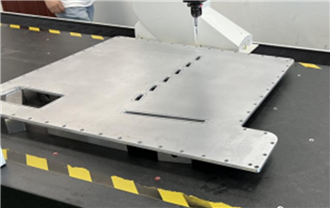
To explore how advanced machining strategies can streamline your product, check out this external resource on advanced toolpath strategies from Modern Machine Shop. For a visual guide on how integrated designs look before and after assembly, refer to the image below.
Conclusion
Functionally integrated CNC machining parts represent a paradigm shift from "more parts" to "smarter parts." By combining multiple features into one precision component, businesses can achieve lighter products, faster assembly, and greater reliability. If you are ready to consolidate your legacy designs, contact our engineering team to discuss your next project.
Add: Building 3No.277 Zhen'an Middle Road, Chang'an Town,Dongguan,Guangdong, China
Tel:+86-769-82855591
Copyright © 2019 All Rights Reserved Dongguan Start Precision Technology Co., Ltd. Tel: +86-769-82855591
Add: No. 277 Zhen'an Middle Road, Chang'an Town, Dongguan, Guangdong, China



 中文版
中文版 English