CNC Machining Parts Inspection Checklist: Quality Control Steps
Date:2026-02-16Article editor:Starting Point PrecisionViews:610In the world of precision manufacturing, the difference between a successful production run and catastrophic failure often comes down to microns. For industries like aerospace, medical, and automotive, a single defective part can lead to system failures, safety risks, and costly recalls. This is why a robust CNC Machining Parts Inspection Checklist is not just paperwork—it is the backbone of reliable manufacturing.
Quality Control (QC) in CNC machining is a multi-step process designed to verify that every feature of a part meets the specified tolerances and design intent. Rather than relying on a single final check, modern machine shops implement layered inspection protocols throughout the production cycle. Below is a breakdown of the essential quality control steps that should be on every machinist’s and quality manager’s checklist.
Step 1: Raw Material Inspection
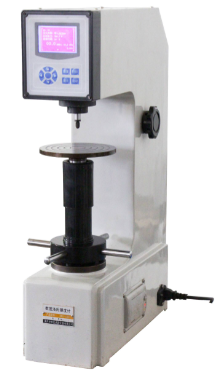
Quality cannot be machined into a part if the raw material is flawed. The first checkpoint on any checklist should always be material verification. This involves confirming the material grade, hardness, and dimensions against the purchase order.
Check: Material certificates, dimensions of stock, surface condition (rust or cracks).
Tool: Spectrometers for alloy verification, hardness testers, and calipers.
Step 2: First Article Inspection (FAI)
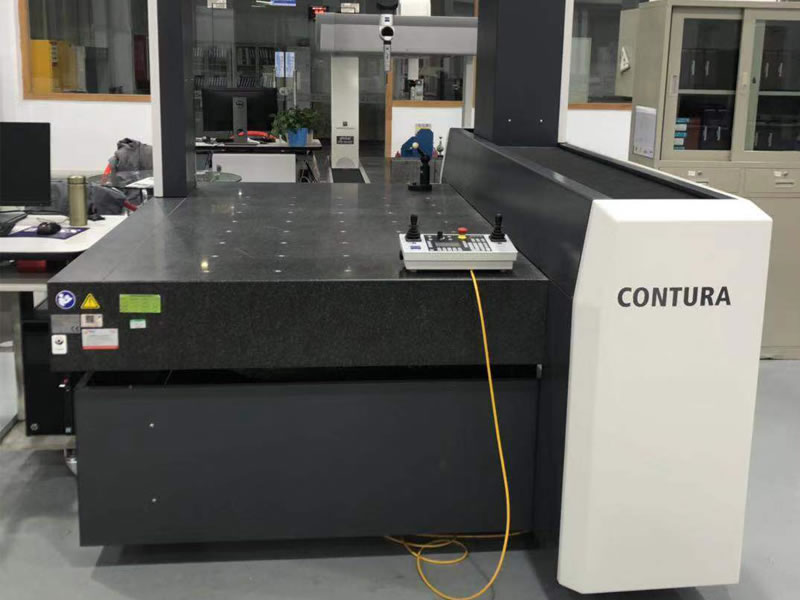
Before mass production begins, the very first part off the line must undergo a rigorous First Article Inspection. This is the most critical step to validate that the CNC program, tooling, and setup are correct.
Check: Every dimension and feature on the engineering drawing is measured, not just a few.
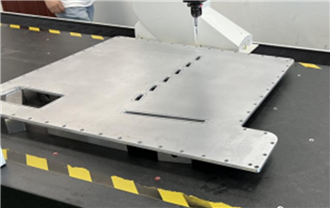
Tool: Coordinate Measuring Machines (CMM) are typically used here to generate a detailed report that proves the process can produce a conforming part.
Step 3: In-Process Inspection and Monitoring
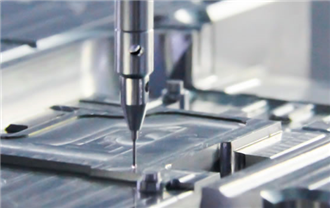
Waiting until the end of a run to find errors is expensive. Effective checklists include In-Process Inspection steps, often utilizing On-Machine Inspection (OMI) probes. These probes, mounted on the CNC spindle, measure critical features while the part is still fixtured.
Check: Critical dimensions after roughing or semi-finishing to detect tool wear or thermal drift.
Tool: Touch-trigger probes, laser tool setters.
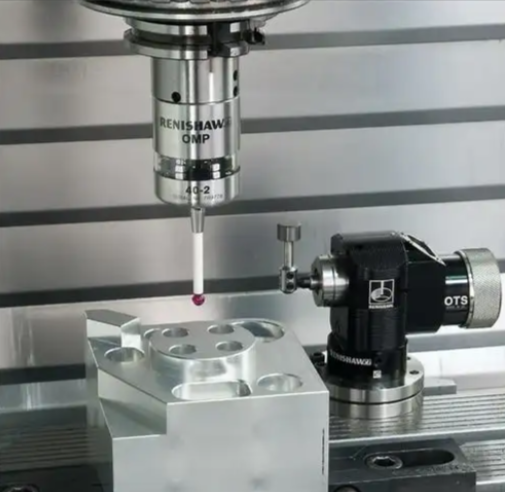
Benefit: Immediate feedback allows the machine to make automatic offset adjustments, preventing scrap.
Step 4: Operator Self-Inspection
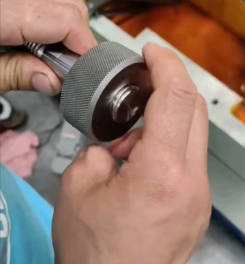
The machine operator is the first line of defense. A robust checklist empowers the operator to perform quick visual and dimensional checks immediately after part removal.
Check: Surface finish (chatter or burrs), go/no-go gauge checks for threads and holes.
Tool: Micrometers, bore gauges, go/no-go gauges, and magnified visual inspection.
Step 5: Final Dimensional and Functional Inspection
Once the batch is complete, parts move to the Quality Control department for a final sign-off. This step often involves statistical process control, where a sample of parts from the batch is inspected to ensure the entire run remained stable.
Check: Full layout inspection, geometric dimensioning and tolerancing (GD&T) verification.
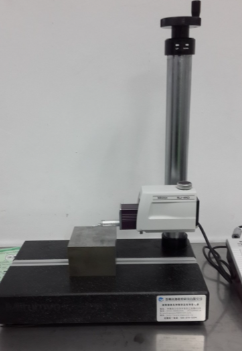
Tool: CMMs, Optical Comparators, Surface Roughness Testers. For specialized parts like hydraulic valves, functional tests (e.g., leak testing) are included here .
Step 6: Documentation and Traceability
A part is not truly "complete" until the data supports its quality. The final step in the checklist is compiling the inspection data into a report (often a dimensional layout report) that provides traceability.
Check: Are all inspection records signed, dated, and stored?
Tool: Quality Management Software (QMS), traceability tags.
Conclusion
Implementing a detailed CNC Machining Parts Inspection Checklist transforms quality control from a reactive gate into a proactive process improvement tool. By verifying material, validating the first article, monitoring in-process dimensions, and conducting thorough final inspections, manufacturers can ensure that every part shipped meets the highest standards of precision and reliability.
Add: Building 3No.277 Zhen'an Middle Road, Chang'an Town,Dongguan,Guangdong, China
Tel:+86-769-82855591
Copyright © 2019 All Rights Reserved Dongguan Start Precision Technology Co., Ltd. Tel: +86-769-82855591
Add: No. 277 Zhen'an Middle Road, Chang'an Town, Dongguan, Guangdong, China



 中文版
中文版 English