Custom CNC Machining Parts for Pressure-Resistant Applications
Date:2026-06-19Article editor:Starting Point PrecisionViews:310Custom CNC machining parts for pressure-resistant applications are critical in modern engineering systems that operate under extreme pressure conditions. These components are widely used in aerospace, oil and gas, marine engineering, and hydraulic systems where precision, strength, and reliability directly affect operational safety.
Unlike general mechanical parts, pressure-resistant CNC components are designed with strict control over geometry, material performance, and stress distribution to ensure long-term stability in demanding environments.
Custom CNC machining parts are precision components manufactured using CNC technology based on digital CAD models. Each part is produced with high accuracy to meet specific functional requirements such as load capacity, sealing performance, and environmental resistance.
In pressure-intensive applications, these parts are engineered not only for shape and fit but also for mechanical strength under continuous or fluctuating pressure loads, ensuring zero leakage and structural reliability.
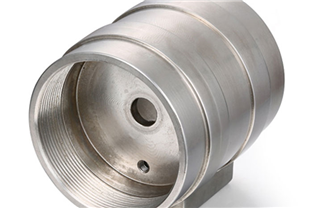
Typical examples include hydraulic valve bodies, pump housings, pressure connectors, and aerospace fluid control components.
Industry standards such as those from the International Organization for Standardization help ensure manufacturing consistency and safety compliance across global industries.
Pressure-resistant systems require components that can withstand internal or external forces without deformation or failure. Custom CNC machining parts for pressure-resistant environments are preferred because they provide:
● Extremely tight dimensional tolerances for sealing systems
● High structural integrity under mechanical stress
● Reliable performance under repeated pressure cycles
● Compatibility with advanced engineering materials
These characteristics make CNC machining essential for mission-critical systems where safety and reliability are non-negotiable.
Material selection plays a key role in determining performance and durability.
Common materials include:
● Stainless Steel (304/316): Excellent corrosion resistance and strength
● Titanium Alloys: High strength-to-weight ratio, ideal for aerospace
● Inconel: Suitable for extreme pressure and high-temperature environments
● Brass & Copper Alloys: Used in specialized hydraulic and fluid systems
Each material is selected based on pressure rating, operating temperature, and chemical exposure conditions.
Custom CNC machining parts for pressure-resistant applications are widely used in industries that demand high safety and performance standards:
● Oil and gas drilling and pipeline systems
● Aerospace hydraulic and fuel delivery systems
● Marine propulsion and deep-sea equipment
● Industrial compressors and hydraulic machinery
These applications require components that maintain integrity under continuous stress and harsh operating environments.
CNC machining offers several important benefits for pressure-resistant engineering:
● High Precision: Ensures accurate sealing and assembly fit
● Consistency: Identical quality across production batches
● Customization: Designed for specific pressure and load conditions
● Durability: Long service life in extreme environments
These advantages make CNC machining one of the most reliable manufacturing methods for critical pressure systems.
The production of custom CNC machining parts for pressure-resistant applications follows a controlled and precise workflow:
1. CAD design and engineering simulation
2. Material selection based on application requirements
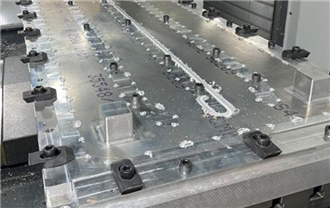
3. CNC milling or turning operations
4. Heat treatment to improve strength and hardness
5. Surface finishing such as polishing or coating
6. Final inspection and pressure testing
To ensure reliability, every component undergoes strict inspection procedures:
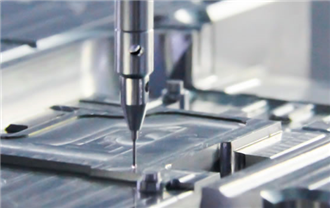
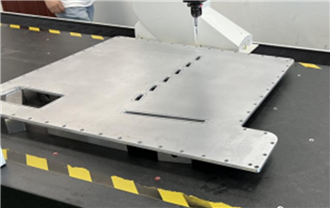
● Dimensional verification using CMM systems
● Non-destructive testing (NDT) for internal defects
● High-pressure simulation testing
● Surface quality and fatigue resistance analysis
These processes ensure that each part can safely operate under real-world pressure conditions.
Custom CNC machining parts for pressure-resistant applications are essential in modern industrial systems where safety, durability, and precision are critical. Through advanced materials, high-accuracy machining, and strict quality control, CNC technology ensures reliable performance in the most demanding pressure environments.
Because they offer high precision, strong structural integrity, and excellent material compatibility.
Stainless steel, titanium alloys, and Inconel are widely used due to their strength and resistance.
Yes, they can be fully customized based on pressure rating, geometry, and application requirements.
They are tested through pressure simulation, dimensional inspection, and non-destructive testing.
Aerospace, oil and gas, marine engineering, automotive, and industrial manufacturing industries.
Add: Building 3No.277 Zhen'an Middle Road, Chang'an Town,Dongguan,Guangdong, China
Tel:+86-769-82855591
Copyright © 2019 All Rights Reserved Dongguan Start Precision Technology Co., Ltd. Tel: +86-769-82855591
Add: No. 277 Zhen'an Middle Road, Chang'an Town, Dongguan, Guangdong, China



 中文版
中文版 English