The Essential Guide to Durable Low Carbon Steel Machined Parts for Diverse Industrial Applications
Date:2026-03-14Article editor:Starting Point PrecisionViews:582In the world of modern manufacturing, few materials strike as perfect a balance between cost, workability, and strength as low carbon steel. Often referred to as mild steel, this material is the backbone of countless industries due to its exceptional ductility and weldability. When processed through precision machining, durable low carbon steel machined parts become indispensable components in machinery, vehicles, and infrastructure.
Why Choose Low Carbon Steel for Machining?
Low carbon steel typically contains between 0.05% and 0.25% carbon. This chemical composition provides several distinct advantages in the machining process:
Superior Machinability: Unlike high-carbon or alloy steels, low carbon variants are softer and easier to cut. This reduces wear and tear on CNC machine tools and allows for faster production cycles.
Cost-Effectiveness: The raw material cost of low carbon steel is significantly lower than that of stainless steel or specialized alloys, making it the preferred choice for high-volume production runs without compromising on structural integrity.
Versatility in Finishing: These parts readily accept coatings, plating, and painting. Whether you need galvanization for corrosion resistance or a simple powder coat for aesthetics, low carbon steel provides an excellent base.
Durability and Toughness: While "low carbon" implies softness, these parts are incredibly tough. They absorb impact well and bend rather than break under stress, making them ideal for structural applications.
Key Applications Across Industries
The versatility of these machined components means they appear in almost every sector of the economy.
1. Automotive and Transportation
From engine brackets and transmission components to chassis mounts and axle housings, the automotive industry relies heavily on machined low carbon steel. Its ability to be stamped, welded, and machined into complex geometries makes it perfect for prototypes and end-use parts alike.
2. Construction and Infrastructure
In construction, durability is non-negotiable. Machined parts such as anchor bolts, rebar couplers, structural supports, and heavy equipment fittings are regularly fabricated from low carbon steel. These components form the hidden skeleton of our buildings and bridges.
3. Industrial Machinery
Gearboxes, pump housings, levers, and custom fittings for conveyor systems often start as low carbon steel stock. The material’s predictability under stress allows engineers to design precise moving parts that last for decades with minimal maintenance.
4. Consumer Goods and Hardware
Everyday items like hinges, door handles, bicycle parts, and garden tools often utilize machined low carbon steel. It offers the strength required for daily use while remaining affordable for mass-market distribution.
The Precision Machining Process
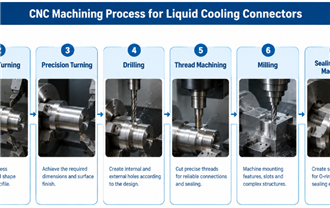
Creating durable low carbon steel machined parts requires a synergy of technology and skill. The process generally involves:
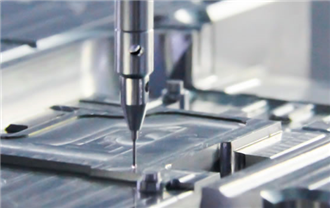
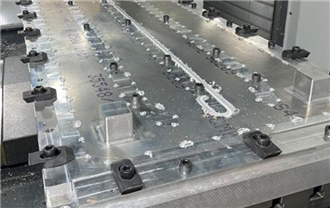
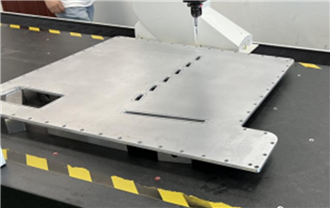
CNC Turning and Milling: Computer Numerical Control (CNC) machines cut the raw steel into precise shapes based on CAD models. This ensures repeatability down to micron-level tolerances.
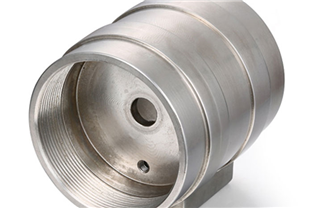
Surface Treatment: To combat the natural tendency of steel to oxidize, parts often undergo black oxide coating, zinc plating, or painting. This extends the lifespan of the component significantly.
Quality Assurance: Dimensional checks and hardness tests ensure that every batch of parts meets the strict industry standards required for safety and performance.
Sourcing and Sustainability
Modern manufacturing also focuses on sustainability. Low carbon steel is one of the most recycled materials on the planet. By sourcing material from green steel producers and recycling scrap from machining operations, manufacturers can reduce the carbon footprint of the production cycle. This makes low carbon steel not only a smart economic choice but also an environmentally responsible one.
External Link Suggestion: For global standards on material specifications, refer to the latest guidelines from the American Iron and Steel Institute.
Conclusion
Whether you are designing the next generation of electric vehicles or building heavy-duty agricultural equipment, durable low carbon steel machined parts provide the reliability and performance you need. Their unique blend of machinability, strength, and affordability ensures they will remain a staple in workshops and factories for years to come.
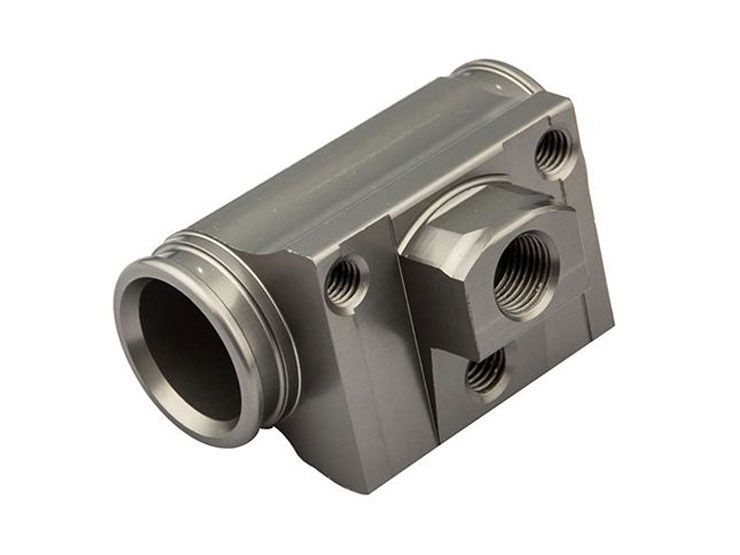
By understanding the properties and potential of this fundamental material, engineers and buyers can make informed decisions that lead to safer, longer-lasting products.
Add: Building 3No.277 Zhen'an Middle Road, Chang'an Town,Dongguan,Guangdong, China
Tel:+86-769-82855591
Copyright © 2019 All Rights Reserved Dongguan Start Precision Technology Co., Ltd. Tel: +86-769-82855591
Add: No. 277 Zhen'an Middle Road, Chang'an Town, Dongguan, Guangdong, China



 中文版
中文版 English