Precision Low Volume Machining Services for Automotive Parts: Rapid Prototyping to Production
Date:2026-03-13Article editor:Starting Point PrecisionViews:619The automotive industry is evolving at a breakneck pace. With the rise of electrical vehicles and advanced driver-assistance systems, the demand for rapid iteration and customization has never been higher. For engineers and procurement specialists, traditional high-volume manufacturing often falls short when dealing with prototypes, concept vehicles, or limited-run specialty models.
This is where Low Volume Machining Services for Automotive Parts become a strategic advantage. By utilizing CNC machining, manufacturers can produce precise, durable components without the need for expensive hard tooling or long lead times.
What is Low Volume Machining?
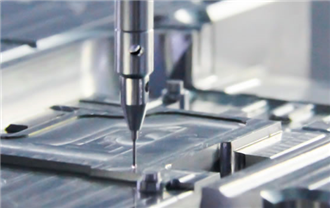
Low volume machining typically refers to the production of parts ranging from one to 10.000 units. Unlike mass production (which relies on die-casting or injection molding), low volume runs utilize subtractive manufacturing processes like CNC milling, turning, and grinding. This approach bridges the gap between a single prototype and full-scale mass production, often referred to as "bridge production."
Key Benefits for the Automotive Sector
1. Speed to Market
In the automotive world, time is money. CNC machining allows for parts to be produced directly from CAD files. There is no need to wait for mold creation. A component can be designed on Monday, programmed on Tuesday, and delivered by the end of the week. This agility allows automakers to test designs and validate fitment almost immediately.
2. Material Variety and Integrity
Automotive parts must withstand extreme heat, pressure, and friction. Low volume machining supports a wide range of engineering-grade materials, including aluminum 6061. stainless steel 304. titanium, and high-strength alloys. Since machining is a subtractive process, the finished parts retain the structural integrity of the wrought material, making them stronger than cast or 3D-printed alternatives.
For technical specifications on aluminum grades, you can refer to the ASM Material Data Sheet .
3. Cost-Effective Tooling
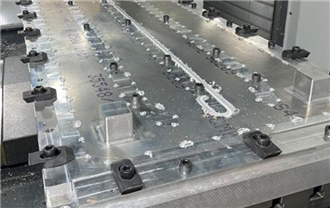
Injection molding for a plastic dashboard component can cost upwards of $50.000 to $100.000 in tooling alone. For a production run of 500 units, that cost is prohibitive. Low volume machining eliminates tooling costs entirely. Parts are cut directly from solid billets or near-net shapes, making it economically viable to produce small batches of high-quality components.
4. Design Flexibility
If a suspension arm fails a stress test during prototyping, the design must change. In a machining workflow, updating the design is as simple as editing the CAM file. There are no sunk costs in tooling that needs to be scrapped, allowing for true iterative development.
Common Automotive Applications
Low volume machining is versatile. It is commonly used for:
● Engine Components: Cylinder heads, intake manifolds, and custom pistons.
● Chassis Parts: Suspension knuckles, control arms, and brackets.
● Interior Trim: Custom bezels, dashboard panels, and gear shift knobs.
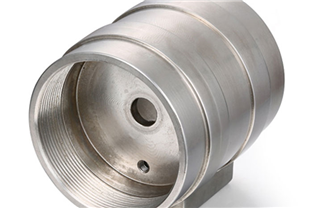
● Fluid Systems: Pump housings, valve bodies, and fittings.
Quality and Tolerances
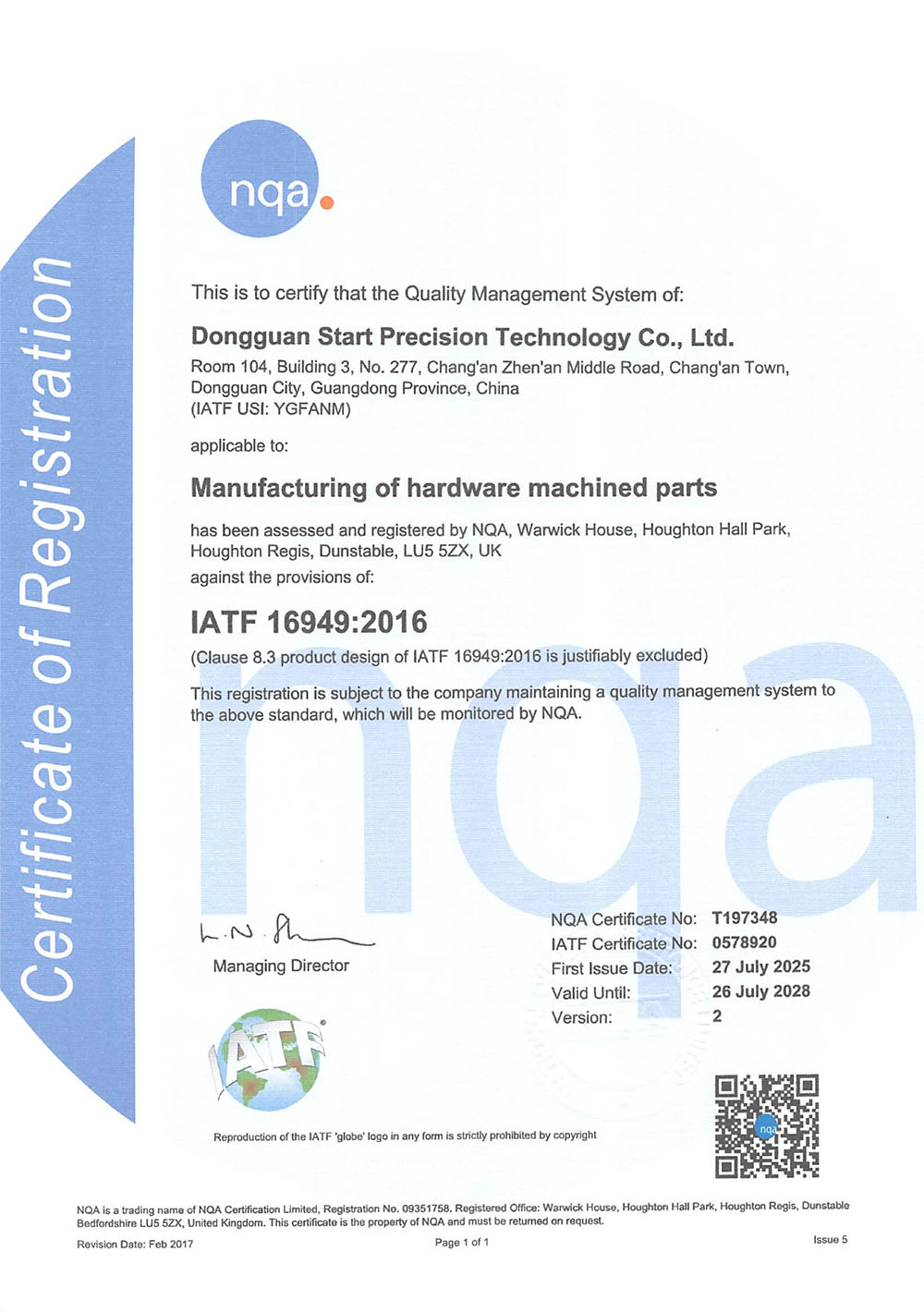
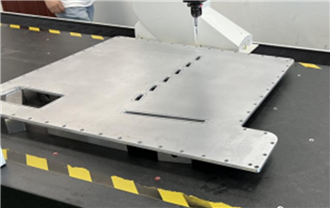
Automotive safety is paramount. Reputable low volume machining providers adhere to strict quality standards, including ISO 9001 and IATF 16949. Tolerances can be held as tight as +/- 0.0005 inches, ensuring that every part fits perfectly within a complex assembly. Advanced inspection tools like CMM (Coordinate Measuring Machines) guarantee that the first part and the hundredth part are identical.
Choosing the Right Partner
When selecting a service provider for your automotive project, consider their experience with hard metals, their machine capacity (3-axis vs. 5-axis), and their finishing capabilities. A good partner offers more than just cutting metal; they offer DFM (Design for Manufacturing) feedback to optimize your design for cost and speed.
Conclusion
Low volume machining is the unsung hero of automotive innovation. It provides the flexibility required for research and development while offering a viable path for low-run production. Whether you are building a Formula SAE car, restoring a classic vehicle, or launching a new EV model, precision machining ensures your parts perform exactly as intended.
Contact us today to discuss how we can machine your next critical component.
Add: Building 3No.277 Zhen'an Middle Road, Chang'an Town,Dongguan,Guangdong, China
Tel:+86-769-82855591
Copyright © 2019 All Rights Reserved Dongguan Start Precision Technology Co., Ltd. Tel: +86-769-82855591
Add: No. 277 Zhen'an Middle Road, Chang'an Town, Dongguan, Guangdong, China



 中文版
中文版 English