Reducing Carbon Footprint with Five-axis Machining Technology
Date:2026-03-18Article editor:Starting Point PrecisionViews:481In the modern manufacturing landscape, sustainability is no longer just a buzzword; it is a critical business mandate. As industries worldwide grapple with the urgency of climate change, reducing the carbon footprint of production processes has become paramount. Among the most effective, yet often overlooked, solutions is the adoption of advanced manufacturing techniques. Five-axis machining technology stands at the forefront of this green revolution, offering a tangible path toward energy efficiency and waste reduction.
Understanding the Carbon Cost of Traditional Machining
Traditional manufacturing, particularly subtractive CNC machining, often relies on a "brute force" approach. Conventional three-axis machines frequently require multiple setups and fixtures to produce complex parts. This not only consumes excessive time but also increases energy use. Furthermore, the need to reposition a workpiece multiple times introduces the risk of inaccuracies, often leading to higher scrap rates. Every rejected part represents a direct waste of the raw material and the energy expended to machine it—a double blow to both profitability and the environment.
The Efficiency Edge of Five-axis Machining
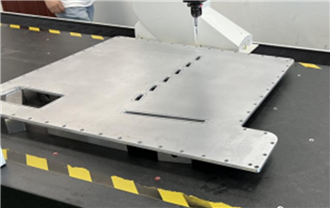
Five-axis machining technology solves these inefficiencies by allowing the cutting tool and the part to move simultaneously across five different axes. This capability provides several distinct environmental advantages:
1. Reduced Setup Times and Energy Consumption
By enabling the machine to reach five sides of a part in a single setup, complex geometries can be completed in one operation. This eliminates the need for multiple machines running simultaneously or repeated idle times for re-fixturing. Less time spent in setup means less energy consumed per finished part, directly lowering the operational carbon footprint.
2. Superior Material Utilization
Five-axis machines allow for the use of shorter, more rigid cutting tools. Because the tool can be tilted, it maintains optimal contact with the material, allowing for higher material removal rates without sacrificing quality. More importantly, this precision reduces the "scrap factor." Manufacturers can design parts closer to their final net shape, meaning less material is turned into chips and waste. In industries like aerospace, where titanium and other energy-intensive metals are common, this reduction in waste translates to massive embedded carbon savings.
3. Longer Tool Life and Less Waste
The constant orientation of the tool relative to the cutting surface in five-axis machining optimizes chip load and reduces heat generation. This reduces the wear on cutting tools, thereby extending their service life. Fewer tool changes mean less downtime and a reduction in the consumption of consumable tooling, further reducing the environmental impact of the supply chain.
Real-World Applications and Green Outcomes
The impact of this technology is already being felt in high-stakes sectors. In the aerospace industry, five-axis machines are used to create complex blisks and structural components from solid billets. By reducing the buy-to-fly ratio (the ratio of raw material weight to final part weight), manufacturers save tons of material annually. In the automotive sector, particularly with the rise of electric vehicles (EVs), five-axis machining allows for the rapid prototyping and production of lightweight components, contributing to lighter, more efficient vehicles on the road.
The Path Forward: Sustainable Precision
As we move toward a circular economy, the role of precision manufacturing cannot be understated. Five-axis machining technology empowers manufacturers to do more with less. By consuming less energy, generating less scrap, and enabling the production of lightweight, high-performance parts, it directly contributes to the global goal of reducing industrial carbon emissions.
Investing in five-axis technology is not merely a capital expenditure for increased throughput; it is a strategic investment in environmental stewardship. For manufacturers looking to align with global sustainability goals, the integration of five-axis CNC solutions offers a competitive edge that is both economically and ecologically sound.
Add: Building 3No.277 Zhen'an Middle Road, Chang'an Town,Dongguan,Guangdong, China
Tel:+86-769-82855591
Copyright © 2019 All Rights Reserved Dongguan Start Precision Technology Co., Ltd. Tel: +86-769-82855591
Add: No. 277 Zhen'an Middle Road, Chang'an Town, Dongguan, Guangdong, China



 中文版
中文版 English