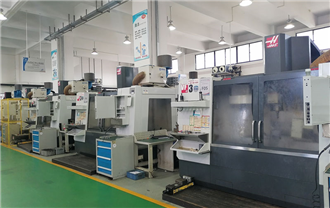
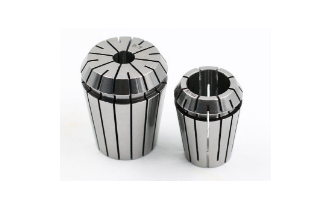
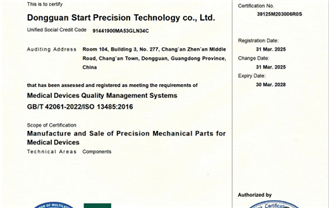
MachiningInconel—a nickel-chromium superalloy—is notoriously difficult. Its high strength and heat resistance, while valuable in service, cause rapid tool wear, severe work hardening, and extreme cutting temperatures during production. MasteringCNC Precis
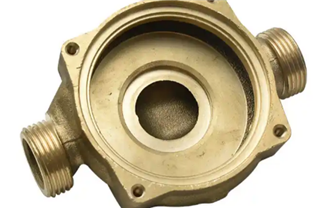
In modern high‑frequency electronics, MRI equipment, and sensitive measurement devices, even minute magnetic interference can corrupt signals or compromise safety. Engineers increasingly specifyBrass Precision Componentsthat combine excellent machinabilit
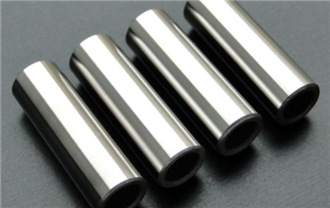
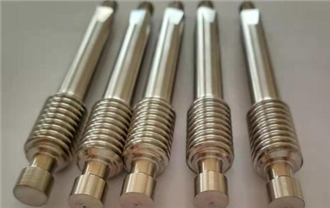
In internal combustion engines and hydraulic systems, the piston pin—a seemingly simple cylindrical component—endures immense cyclical loads, extreme temperatures, and continuous friction. Its performance and longevity hinge on geometrical accuracy, surfa
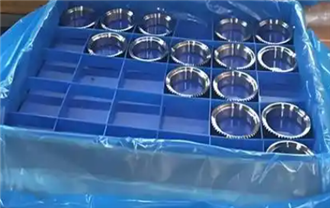
IntroductionExporting high-precision components exposes them to humidity, temperature swings, and salt spray during ocean freight. ForPrecision CNC Machined Carbon Steel Parts, even microscopic rust can ruin tight tolerances and surface finishes, leading
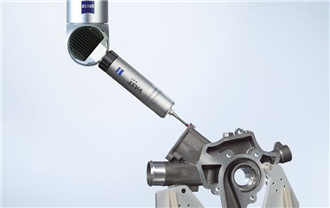
Introduction: The Cost of Inconsistent QualityIn high-stakes industries—automotive, aerospace, hydraulics—precision CNC machined carbon steel partsare non-negotiable. Yet even the most advanced CNC cells can produce scrap when process variations go undete
IntroductionVibration is the arch‑enemy of surface quality in stainless steel turning. Austenitic grades like 304 and 316L work‑harden quickly, generate high cutting forces, and provoke regenerative chatter that leaves unacceptable ripples. While many sho
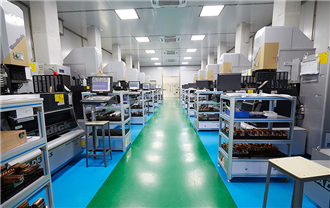
In modern manufacturing, customers expect high-qualityprecision CNC machined carbon steel partswithout long wait times. The key to meeting this dual demand lies not just in advanced machinery, but in intelligent production planning. By combining lean sche
In today’s competitive manufacturing environment, reducing the unit cost of machined components is a survival imperative. For high‑volume or complex parts,stainless steel parts turningoften accounts for the largest share of production expenditure—yet many
In modern manufacturing, the demand for miniaturized, complex components is relentless. From pneumatic valves requiring low‑friction brass parts to surgical instruments demanding flawless aluminum micro‑components, every application hinges on absolute dim
Thin-wall aluminum components are ubiquitous in aerospace, automotive, and electronics—yet they remain one of the most challenging jobs for any machinist. The combination of aluminum’s low stiffness and high thermal expansion demands a disciplined approac
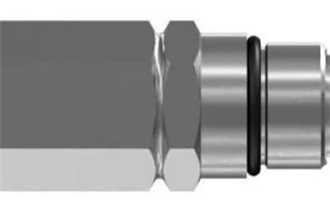
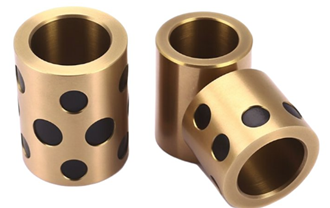
In the realm of pneumatic systems, where efficiency and longevity are paramount, the choice of materials for critical components is a decisive factor. The demand for reliable, low‑friction operation has turned the spotlight onprecision brass components, a
The medical device industry demands components that are not only miniature but also flawless.Aluminum CNC Turning Partshave become indispensable in this field, offering an exceptional strength-to-weight ratio, corrosion resistance, and biocompatibility. M