Precision CNC Milling Parts for Electrical Components
Date:2026-06-25Article editor:Starting Point PrecisionViews:302In the rapidly evolving world of electronics, the demand for high‑precision, durable metal parts is greater than ever. From miniature connector bodies to complex heat sinks, precision CNC milling delivers the tight tolerances and surface finishes that modern electrical components require.
Why Precision CNC Milling Matters for Electrical Components
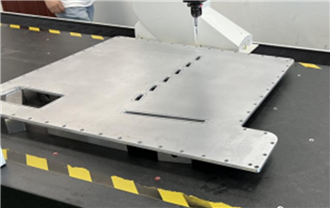
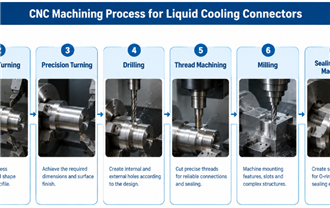
Electrical assemblies often depend on exact fit, reliable conductivity, and effective heat dissipation. A dimensional error of just a few microns can cause poor contact resistance, signal loss, or overheating. CNC milling centers equipped with high‑speed spindles and multi‑axis capabilities produce parts like terminal blocks, EMI shielding enclosures, and busbar supports with tolerances as tight as ±0.005 mm. This repeatability is essential for high‑volume production runs where every single piece must function identically.
Material Selection for Optimal Performance
The choice of material directly influences electrical and thermal performance. Aluminum alloys (e.g., Al 6061) are popular for heat sinks and lightweight enclosures due to their excellent thermal conductivity and corrosion resistance. Copper alloys, prized for their superior electrical conductivity, are frequently used for contact pins and power distribution parts. For instance, pure copper offers an electrical conductivity near 100% IACS—detailed properties can be found at the Copper Development Association’s resource page: Copper Properties. Engineered plastics like PEEK and Torlon are also machined for insulating standoffs and high‑temperature connectors. A trusted supplier will help you navigate these options, which is why Start Precision provides material guidance at every project stage.
Real‑World Example: Custom Aluminum Heat Sink
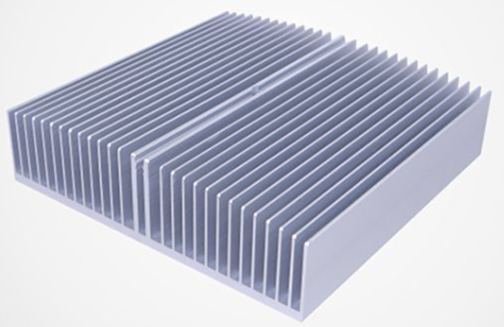
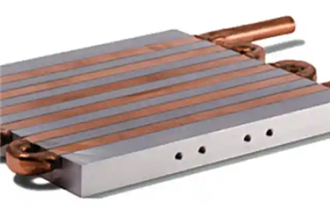
A recent project involved a power supply manufacturer needing a custom pin‑fin heat sink for a new IGBT module. The component required a flatness of 0.02 mm across the mating surface to maximize thermal transfer, along with multiple threaded holes for direct PCB mounting. Our team programmed a 5‑axis CNC mill to machine the entire part from a solid Al 6061 billet in a single setup, eliminating alignment errors. The result was a lightweight, high‑efficiency heat sink that reduced the module temperature by 12°C compared to the previous stamped solution.
Quality Assurance and Industry Standards
Reliable electrical parts require strict quality control. Our facility operates under an ISO 9001:2015 certified quality management system—view the standard details at ISO 9001:2015. Every batch undergoes CMM inspection, surface roughness testing, and, when required, electrical continuity checks. Such rigor ensures that components meet both dimensional and functional specifications before they leave the factory floor.
Why Partner with Start Precision?
Optimizing CNC milled parts for electrical applications demands a manufacturer that combines machining expertise with a deep understanding of electrical requirements. At Start Precision, we offer rapid prototyping, multi‑axis milling, and a range of secondary finishes such as anodizing, gold plating, and passivation. Whether you need 10 prototypes or 100,000 production units, our process is streamlined to reduce lead times without compromising quality. Get Instant Quote to discuss your next electrical component project.
Frequently Asked Questions
1. What materials are best for CNC milling electrical components?
Aluminum 6061 is ideal for enclosures and heat sinks, while copper alloys like C110 are used for high‑conductivity contacts. Engineering plastics such as PEEK work well for insulators and high‑temperature parts.
2. What tolerances can precision CNC milling achieve for electrical parts?
Tight tolerances down to ±0.005 mm are attainable, especially on multi‑axis machining centers. The exact tolerance depends on part geometry and material, but high repeatability is standard.
3. How do you ensure the electrical conductivity of milled parts?
Conductivity is maintained through careful material selection, burr‑free machining, and optional plating (e.g., gold or silver). Post‑machining continuity tests can verify electrical performance.
4. What is the typical lead time for custom electrical components?
Prototypes often ship within 5–7 business days, while production orders scale from 2–4 weeks depending on quantity and finishing requirements. Visit https://www.startprecision.com/ to request an exact quote.
Add: Building 3No.277 Zhen'an Middle Road, Chang'an Town,Dongguan,Guangdong, China
Tel:+86-769-82855591
Copyright © 2019 All Rights Reserved Dongguan Start Precision Technology Co., Ltd. Tel: +86-769-82855591
Add: No. 277 Zhen'an Middle Road, Chang'an Town, Dongguan, Guangdong, China



 中文版
中文版 English