Flexibility and Speed: The Hallmarks of Low Volume Machining
Date:2026-03-06Article editor:Starting Point PrecisionViews:549In today's fast-paced manufacturing environment, businesses face constant pressure to bring products to market quickly while adapting to changing demands. Traditional high-volume production methods, with their long lead times and rigid tooling requirements, often struggle to keep pace. This is where low volume machining excels. Its defining characteristics—flexibility and speed—have made it an indispensable strategy for innovators, engineers, and manufacturers across industries.
Understanding Low Volume Machining
Low volume machining refers to the production of small quantities of parts, typically ranging from a single prototype to several thousand units. Unlike mass production, which relies on dedicated production lines and expensive tooling, low volume machining utilizes flexible CNC (Computer Numerical Control) equipment that can be quickly reprogrammed for different parts. This agility allows manufacturers to respond rapidly to design changes, market shifts, or urgent customer needs.
The Flexibility Advantage
Flexibility in low volume machining manifests in several critical ways:
1. Design Iteration Freedom: Engineers can test multiple design variations without committing to expensive tooling changes. If a part needs modification, updating the CNC program is often a matter of minutes, not weeks.
2. Material Versatility: Low volume runs can accommodate a wide range of materials—from aluminum and steel to exotics like titanium or engineering plastics—without significant cost penalties.
3. Batch Size Adaptability: Whether you need one part or one thousand, the setup remains economical. There is no minimum order quantity barrier.
4. Complex Geometry Handling: Modern multi-axis CNC machines can produce intricate shapes that would be impossible or prohibitively expensive with traditional methods.
CNC machining design guidelines.
The Speed Imperative
Speed is equally crucial in competitive markets:
● Rapid Prototyping: Concepts can become physical parts in days, enabling faster validation and testing.
● Reduced Lead Times: Without the need for custom tooling fabrication, production can begin almost immediately after design approval.
● Accelerated Time-to-Market: Faster production cycles mean products reach customers sooner, capturing market opportunities.
● Just-in-Time Delivery: Small batches can be produced on demand, reducing inventory holding costs and waste.
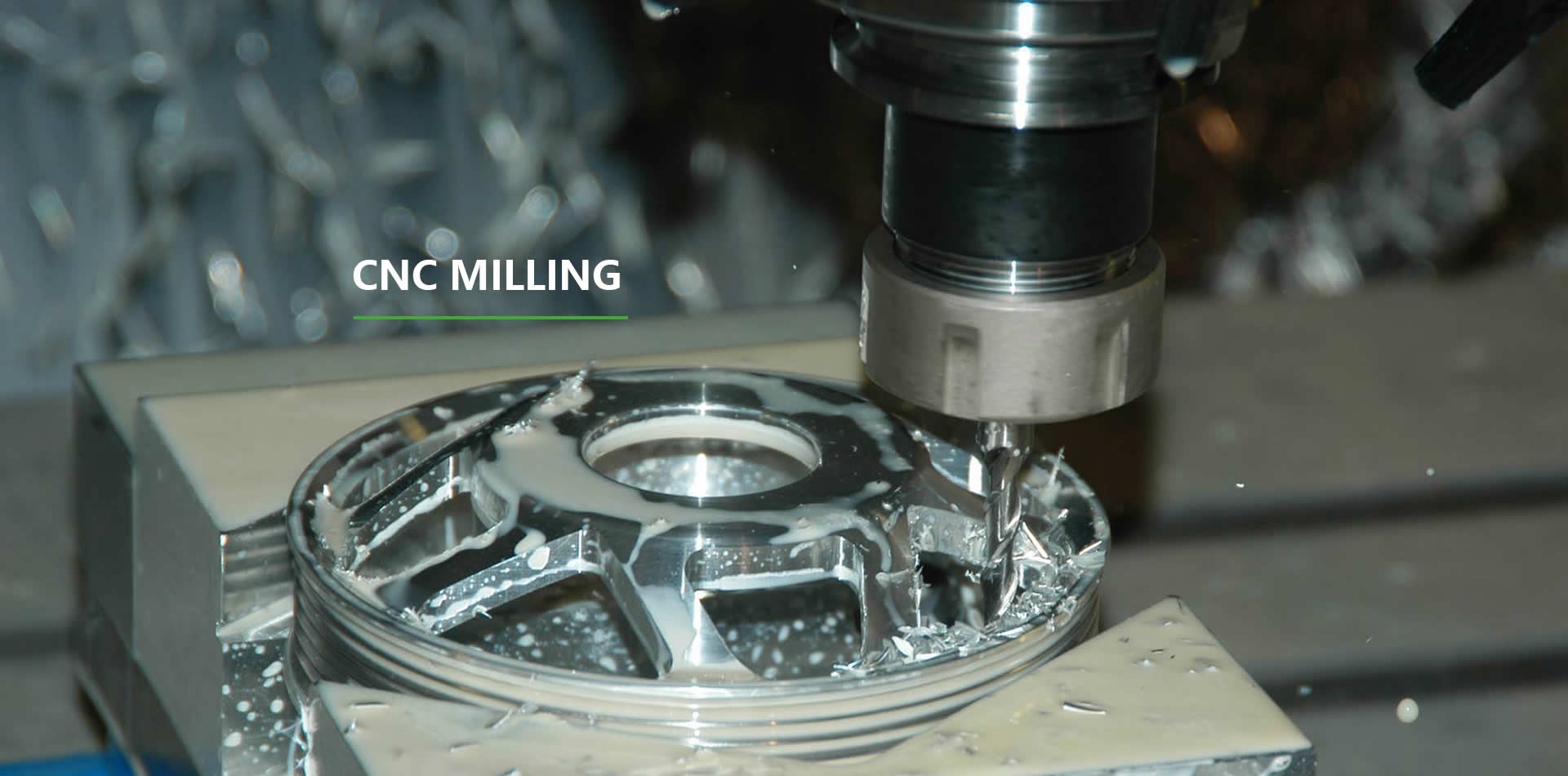
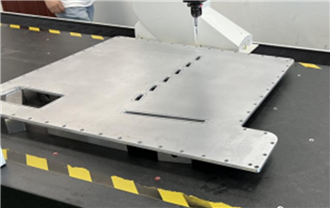
CNC machine operating with speed and precision
Applications Where Flexibility and Speed Matter Most
Certain industries and scenarios particularly benefit from these hallmarks:
● Product Development: Startups and R&D departments need to iterate quickly. Low volume machining allows them to refine designs based on real-world testing without exhausting budgets.
● Custom Machinery: Manufacturers building specialized equipment often need one-off parts or small batches with tight deadlines.
● Replacement Parts: When legacy equipment breaks down, fast turnaround of machined components minimizes downtime.
● Seasonal or Limited Runs: Products with predictable but limited demand cycles can be produced efficiently without overstocking.
How Providers Achieve Flexibility and Speed
Leading low volume machining services employ several strategies:
1. Advanced CNC Technology: Multi-axis machines reduce setup changes and complete complex parts in single operations.
2. Digital Workflows: Online quoting systems, instant design analysis, and digital file transfer eliminate paperwork delays.
3. Lean Manufacturing Principles: Efficient shop floor organization minimizes non-value-added time.
4. Skilled Workforce: Experienced machinists can optimize programs and solve problems quickly.
5. Strategic Material Sourcing: Readily available stock materials reduce procurement lead times.
Balancing Speed with Quality
While speed is essential, reputable providers never compromise on quality. In-process inspection, automated probing, and final verification ensure parts meet specifications despite rapid turnaround. This balance is what makes low volume machining truly valuable—fast parts that work correctly the first time.
Real-World Example
Consider a medical device company developing a new surgical instrument. Through traditional manufacturing, each design iteration might take months. With low volume machining, they receive updated prototypes in days, test them, refine the design, and repeat the cycle rapidly. This flexibility and speed compress years of development into months, bringing life-saving technology to patients sooner.
The Future of Flexible Manufacturing
As Industry 4.0 technologies advance, low volume machining will become even more responsive. Automated setup changes, real-time monitoring, and AI-assisted programming will further reduce turnaround times. The trend toward mass customization—producing personalized products efficiently—will rely heavily on these flexible machining capabilities.
Conclusion
Flexibility and speed are not merely convenient features of low volume machining—they are transformative advantages. In an era where change is constant and speed determines success, the ability to produce quality parts quickly and adapt to evolving requirements is invaluable. Whether for prototyping, niche production, or emergency repairs, low volume machining delivers the agility modern manufacturers need.

Add: Building 3No.277 Zhen'an Middle Road, Chang'an Town,Dongguan,Guangdong, China
Tel:+86-769-82855591
Copyright © 2019 All Rights Reserved Dongguan Start Precision Technology Co., Ltd. Tel: +86-769-82855591
Add: No. 277 Zhen'an Middle Road, Chang'an Town, Dongguan, Guangdong, China



 中文版
中文版 English