Low Volume Production: A Comprehensive Guide for Product Designers
Date:2026-03-10Article editor:Starting Point PrecisionViews:506What is Low Volume Production?
Low volume production typically refers to manufacturing runs ranging from 50 to 10.000 units. It is ideal for pilot runs, market testing, niche products, or when upfront costs for high-volume tooling are prohibitive. Unlike mass production, it emphasizes flexibility, speed, and reduced financial risk.
Key Manufacturing Methods for Low Volume Production
Product designers have several options when scaling from prototype to small series. Each method has unique strengths:
● 3D Printing: Perfect for complex geometries and rapid iteration. Technologies like SLS and SLA offer durable parts without tooling.
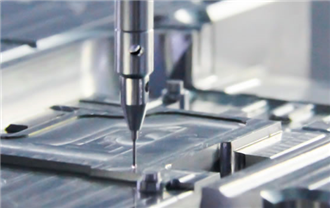
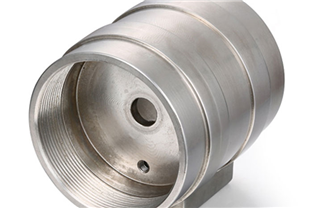
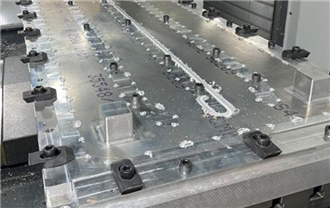
● CNC Machining: Delivers high precision and a wide material choice. Well-suited for crafting functional prototypes as well as end-use components.
● Injection Molding with Aluminum Molds: A cost-effective way to produce plastic parts in volumes of hundreds to thousands. Lower tooling cost than steel molds.
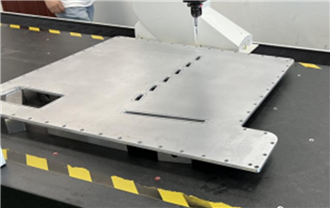
● Sheet Metal Fabrication: Integrates laser cutting, bending and welding processes for fabricating enclosures and bracket components.
● Urethane Casting: Uses silicone molds to replicate master patterns in small batches, ideal for look‑like prototypes. Urethane Casting Process Overview.
Advantages and Disadvantages
Advantages:
● Lower initial investment and tooling costs.
● Faster time to market.
● Allows for design testing and iteration before large-volume production commences.
● Flexibility to make design changes.
Disadvantages:
● Higher per-unit cost compared to mass production.
● Limited material and finish options for some processes.
● Longer lead times per part than high-volume dedicated lines.
Design Considerations for Low Volume Production
For optimal outcomes in low volume production, keep the following key principles in mind:
1.Design for Manufacturability (DFM): Simplify geometries to reduce machining steps or mold complexity. Avoid undercuts that require side actions.
2.Material Selection: Choose readily available materials. Certain exotic material grades may involve extended lead times
3.Tolerance Management: Low volume processes can achieve tight tolerances but at a cost. Specify only what is necessary.
4.Assembly and Finishing: Plan for manual assembly and secondary operations like painting or printing.
Cost and Lead Time Analysis
Cost drivers include setup, material, machine time, and labor. For example, CNC machining costs are dominated by programming and setup, while 3D printing costs scale with build time. Lead times can range from a few days (3D printing) to several weeks (tooling for injection molding). Always request quotes from multiple suppliers and consider local options for faster turnaround.
How to Choose the Right Manufacturing Partner
Look for partners with experience in your industry and technology. Evaluate their quality systems, communication, and ability to scale. Ask for references and visit facilities if possible.
Future Trends
Automation, digital inventory, and on‑demand manufacturing are reshaping low volume production. Designers can now leverage AI‑driven design optimization and real‑time monitoring to further reduce waste and lead times.
Conclusion
Low volume production empowers product designers to validate concepts, enter markets quickly, and respond to customer feedback without the burden of massive tooling investments. By selecting the right methods and partners, you can turn your designs into tangible products that stand out. Embrace this flexible stage—it might just be the key to your next breakthrough.
Add: Building 3No.277 Zhen'an Middle Road, Chang'an Town,Dongguan,Guangdong, China
Tel:+86-769-82855591
Copyright © 2019 All Rights Reserved Dongguan Start Precision Technology Co., Ltd. Tel: +86-769-82855591
Add: No. 277 Zhen'an Middle Road, Chang'an Town, Dongguan, Guangdong, China



 中文版
中文版 English